Featured Publications
All Publications

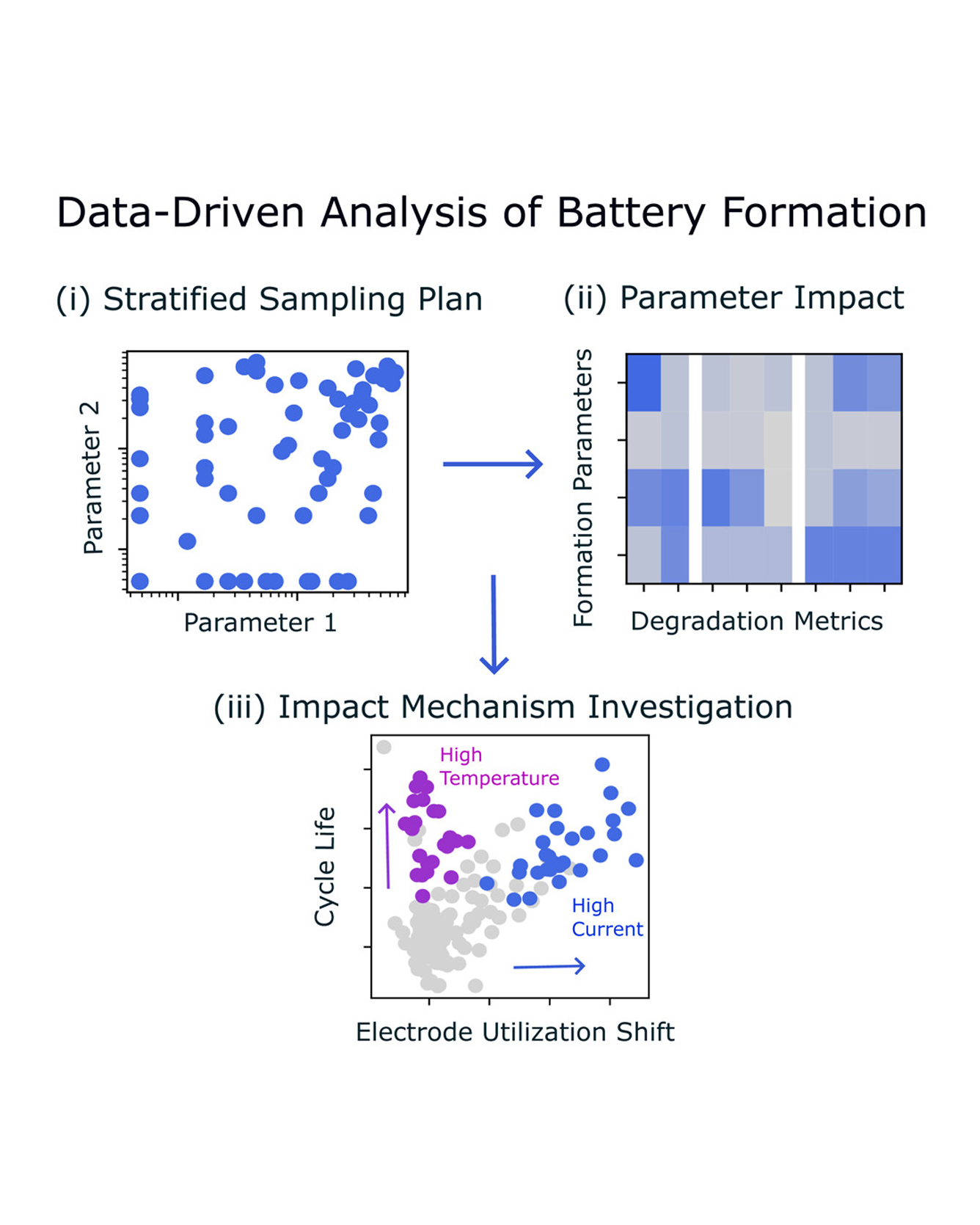
Formation is a critical step in battery manufacturing. During this process, lithium inventory is consumed to form the solid electrolyte interphase (SEI), which in turn determines the battery lifetime. To tackle the vast parameter space and complexity of formation, we employ a data-driven workflow on 186 lithium-ion battery cells across 62 formation protocols. We identify two key parameters, formation charge current and temperature, that control battery longevity via distinct mechanisms. Surprisingly, high-formation charge current on the first cycle extends battery cycle life by an average of 50%. Unlike elevated formation temperature, which boosts battery performance by forming a robust SEI, the cycle life improvement for fast-formed cells arises from a shifted electrode-specific utilization after formation. Apart from the widely acknowledged role of formation in governing SEI properties, we demonstrate how formation protocols determine the stoichiometry range over which the positive and negative electrodes are cycled. READ MORE
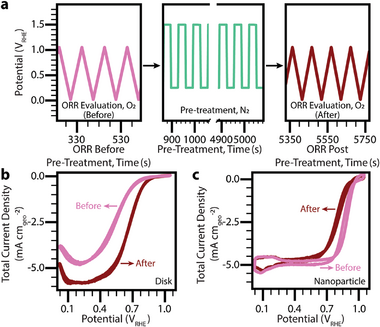
Activation, break-in, and/or pre-treatment protocols are generally applied to energy conversion devices before regular operation to reach stable performance. There remains much to understand about the relationships among physical properties, performance, and electrochemical pre-treatments. Here, a design-of-experiments (DoE) strategy is employed to address this gap by demonstrating the influence of five pre-treatment parameters for carbon-supported Pt-nanoparticle catalysts on the electrocatalytic oxygen reduction reaction (ORR). A subset of pre-treatments, developed using a central composite design, are tested in a flow cell combined with an inductively-coupled plasma mass spectrometer (on-line ICP-MS). The DoE-based approach facilitates comprehensive insights from two orders of magnitude fewer experiments than a conventional grid search. The coupled on-line ICP-MS setup enables effective catalysis and real-time catalyst dissolution data. Leveraging insights from DoE for on-line ICP-MS and additional characterization, a model is built between the degradation of a multi-dimensional supported Pt surface, its performance, and applied electrochemical parameters. These investigations identify surface modifications, such as oxidation, and subsequent restructuring of Pt during pre-treatment as a primary cause of performance deterioration during ORR. By combining DoE with advanced characterization techniques, a powerful approach is demonstrated to gain a mechanistic understanding of pre-treatment protocols that can be broadly adapted to various reaction chemistries.
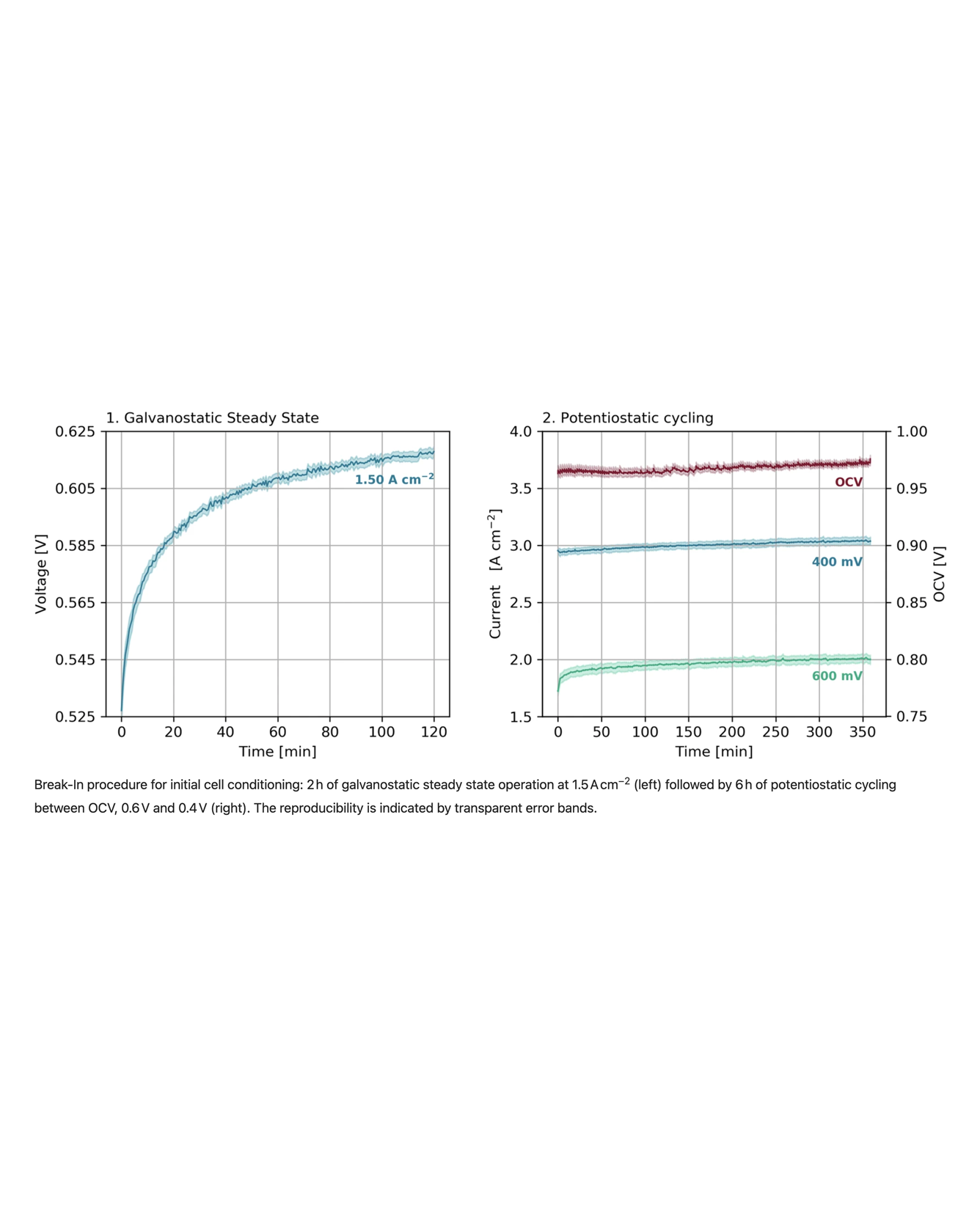
The composition and morphology of the cathode catalyst layer (CCL) have a significant impact on the performance and stability of polymer electrolyte membrane fuel cells (PEMFC). Understanding the primary degradation mechanism of the CCL and its influencing factors is crucial for optimizing PEMFC performance and durability. Within this work, we present comprehensive in-situ characterization data focused on cathode catalyst degradation. The dataset consists of 36 unique durability tests with over 4000 testing hours, including variations in the cathode ionomer to carbon ratio, platinum on carbon ratio, ionomer equivalent weight, and carbon support type. The applied accelerated stress tests were conducted with different upper potential limits and relative humidities. Characterization techniques including IV-curves, limiting current measurements, electrochemical impedance spectroscopy, and cyclic voltammetry were employed to analyse changes in performance, charge and mass transfer, and electrochemically active surface area of the catalyst. The aim of the dataset is to improve the understanding of catalyst degradation by allowing comparisons across material variations and provide practical information for other researchers in the field. READ MORE
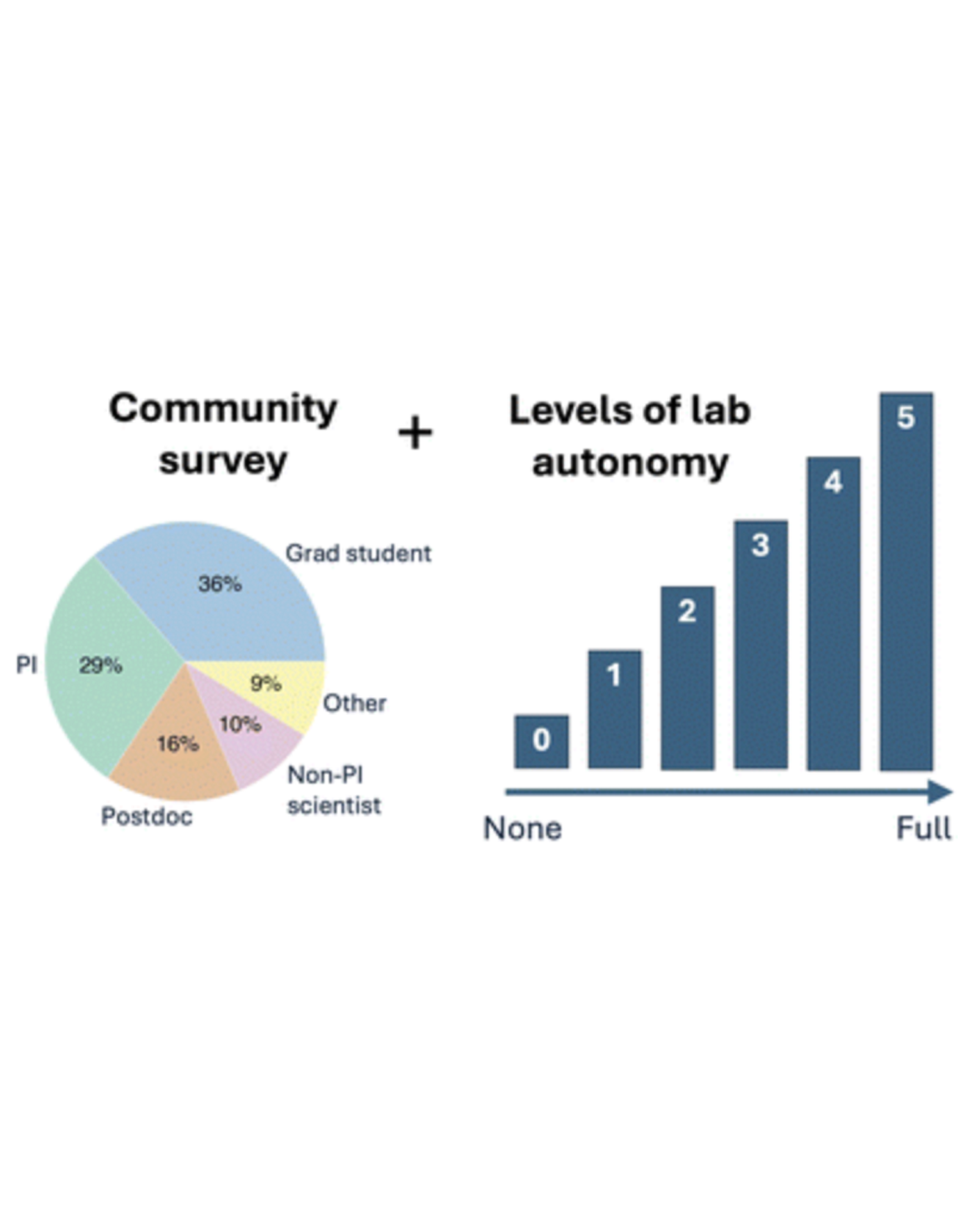
What are researchers' motivations and challenges related to automation and autonomy in materials science laboratories? Our survey on this topic received 102 responses from researchers across a variety of institutions and in a variety of roles. Accelerated discovery was a clear theme in the responses, and another theme was concern about the role of human researchers. Survey respondents shared a variety of use cases targeting accelerated materials discovery, including examples where partial automation is preferred over full self-driving laboratories. Building on the observed patterns of researcher priorities and needs, we propose a framework for levels of laboratory autonomy from non-automated (L0) to fully autonomous (L5). READ MORE
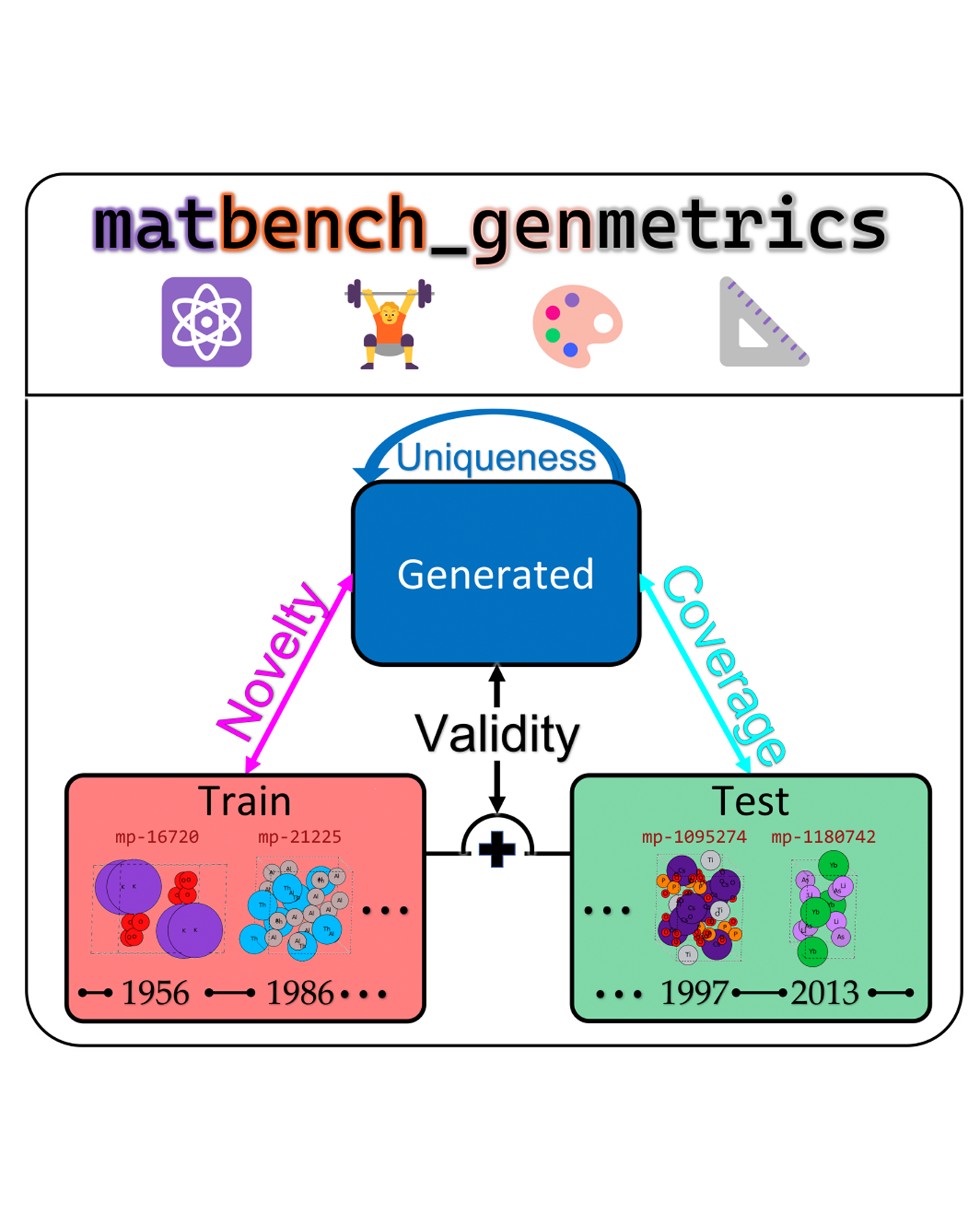
The progress of a machine learning field is both tracked and propelled through the development of robust benchmarks. While significant progress has been made to create standardized, easy-to-use benchmarks for molecular discovery e.g., (Brown et al., 2019), this remains a challenge for solid-state material discovery (Alverson et al., 2024; Xie et al., 2022; Zhao et al., 2023). To address this limitation, we propose matbench-genmetrics, an open-source Python library for benchmarking generative models for crystal structures. We use four evaluation metrics inspired by Guacamol (Brown et al., 2019) and Crystal Diffusion Variational AutoEncoder (CDVAE) (Xie et al., 2022)—validity, coverage, novelty, and uniqueness—to assess performance on Materials Project data splits using timeline-based cross-validation. We believe that matbench-genmetrics will provide the standardization and convenience required for rigorous benchmarking of crystal structure generative models. READ MORE
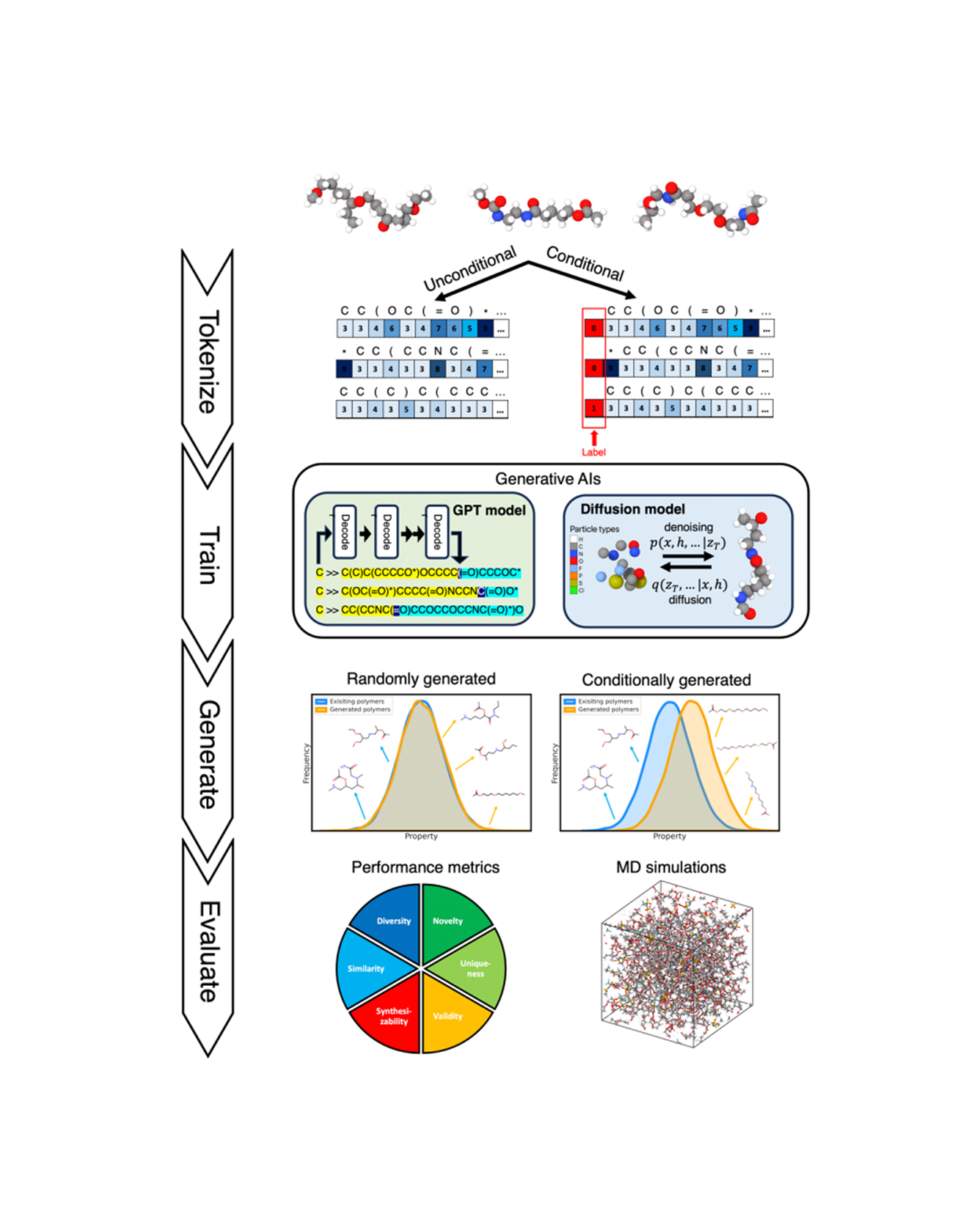
Solid polymer electrolytes hold significant promise as materials for next-generation batteries due to their superior safety performance, enhanced specific energy, and extended lifespans compared to liquid electrolytes. However, the material's low ionic conductivity impedes its commercialization, and the vast polymer space poses significant challenges for the screening and design. In this study, we assess the capabilities of generative artificial intelligence (AI) for the de novo design of polymer electrolytes. To optimize the generation, we compare different deep learning architectures, including both GPT-based and diffusion-based models, and benchmark the results with hyperparameter tuning. We further employ various evaluation metrics and full-atom molecular dynamics simulations to assess the performance of different generative model architectures and to validate the top candidates produced by each model. Out of only 45 candidates being tested, we discovered 17 polymers that achieve superior ionic conductivity better than any other polymers in our database, with some of them doubling the conductivity value. In addition, by adopting a pretraining and fine-tuning methodology, we significantly improve the efficacy of our generative models, achieving quicker convergence, enhanced performance with limited data, and greater diversity. Using the proposed method, we can easily generate a large number of novel, diverse, and valid polymers, with a chance of synthesizability, enabling us to identify promising candidates with markedly improved efficiency. READ MORE
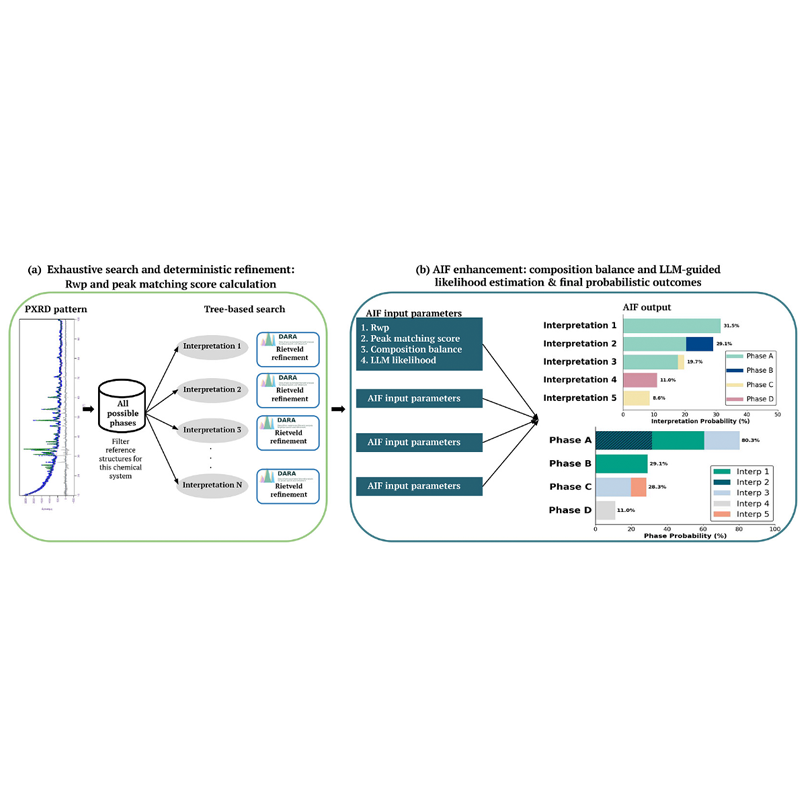
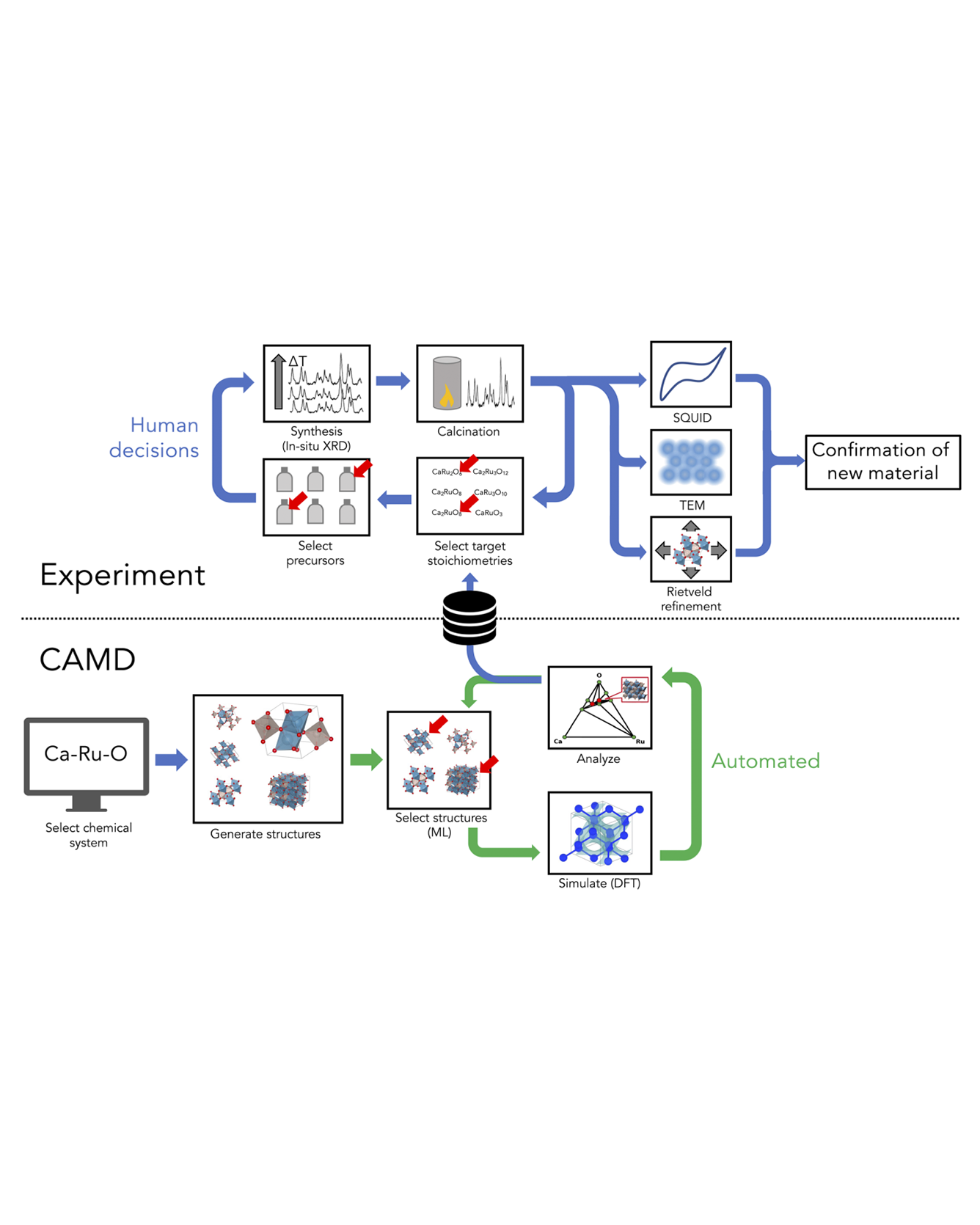
Exploratory synthesis has been the main generator of new inorganic materials for decades. However, our Edisonian and bias-prone processes of synthetic exploration alone are no longer sufficient in an age that demands rapid advances in materials development. In this work, we demonstrate an end-to-end attempt towards systematic, computer-aided discovery and laboratory synthesis of inorganic crystalline compounds as a modern alternative to purely exploratory synthesis. Our approach initializes materials discovery campaigns by autonomously mapping the synthetic feasibility of a chemical system using density functional theory with AI feedback. Following expert-driven down-selection of newly generated phases, we use solid-state synthesis and in situ characterization via hot-stage X-ray diffraction in order to realize new ternary oxide phases experimentally. We applied this strategy in six ternary transition-metal oxide chemistries previously considered well-explored, one of which culminated in the discovery of two novel phases of calcium ruthenates. Detailed characterization using room temperature X-ray powder diffraction, 4D-STEM and SQUID measurements identifies the structure and composition and confirms distinct properties, including distinct defect concentrations, of one of the new phases formed in our experimental campaigns. While the discovery of a new material guided by AI and DFT theory represents a milestone, our procedure and results also highlight a number of critical gaps in the process that can inform future efforts towards the improvement of AI-coupled methodologies. READ MORE
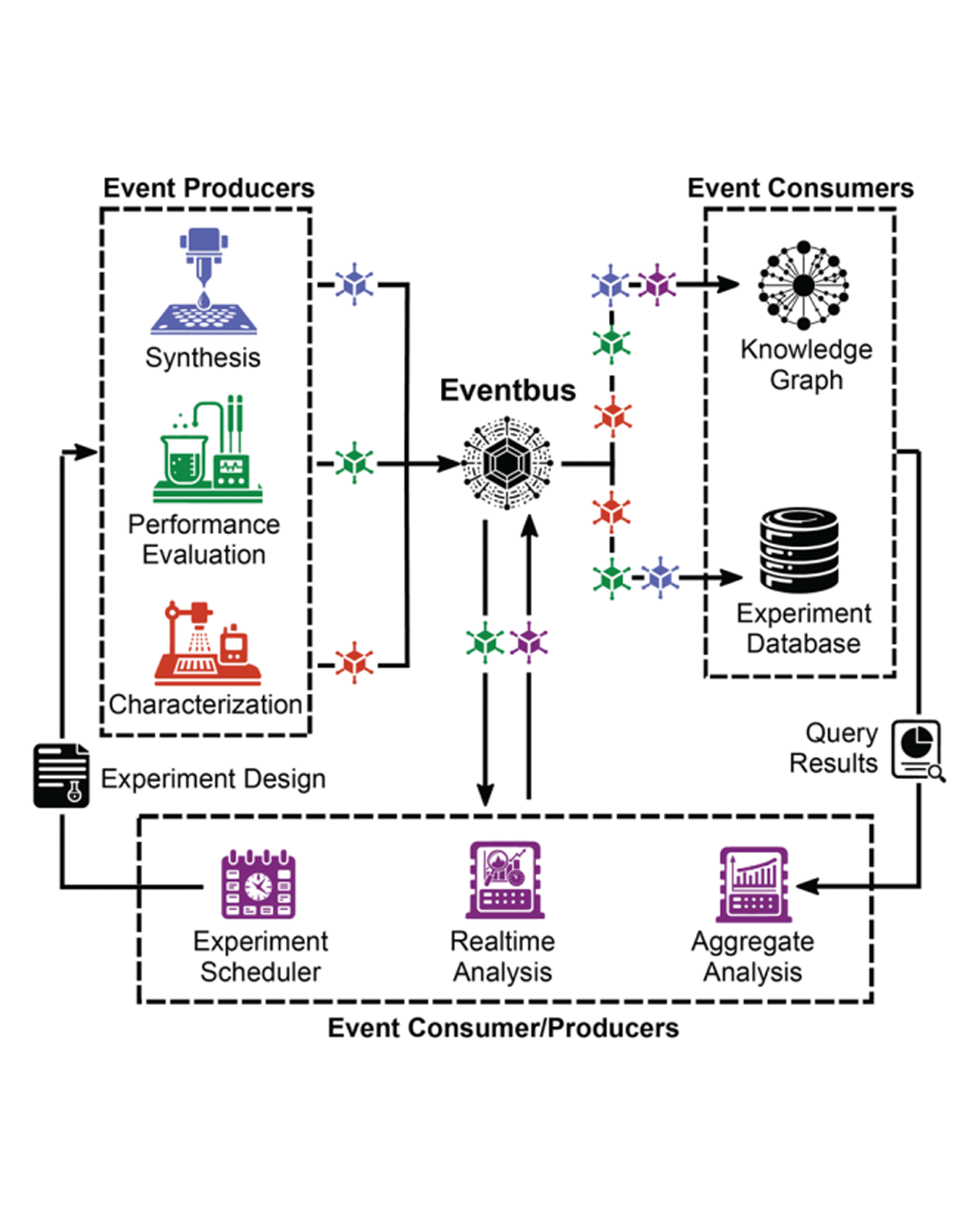
The materials research community is increasingly using automation and artificial intelligence (AI) to accelerate research and development. A materials acceleration platform (MAP) typically encompasses several experimental techniques or instruments to establish a synthesis-characterization-evaluation workflow. With the advancement of workflow orchestration software and AI experiment design, the scope and complexity of MAPs are increasing, however each MAP typically operates as a standalone entity with dedicated experiment, compute, and database resources. The data from each MAP is thus siloed until subsequent efforts to integrate data into complex schema such as knowledge graphs. To lower the latency of data integration and establish an extensible community of MAPs, we must expand our automation efforts to include data handling that is decoupled from the resources of each MAP. Event-driven pipelines are well established in the computational community for building decoupled data processing systems. Such pipelines can be difficult to implement de novo due to their distributed nature and complex error handling. Fortunately, the broader computational science community has established a suite of cloud services that are well suited for this task. By leveraging cloud computing resources to establish event-driven data management, the MAP community can better realize the ideals of extensibility and interoperability in materials chemistry research. READ MORE
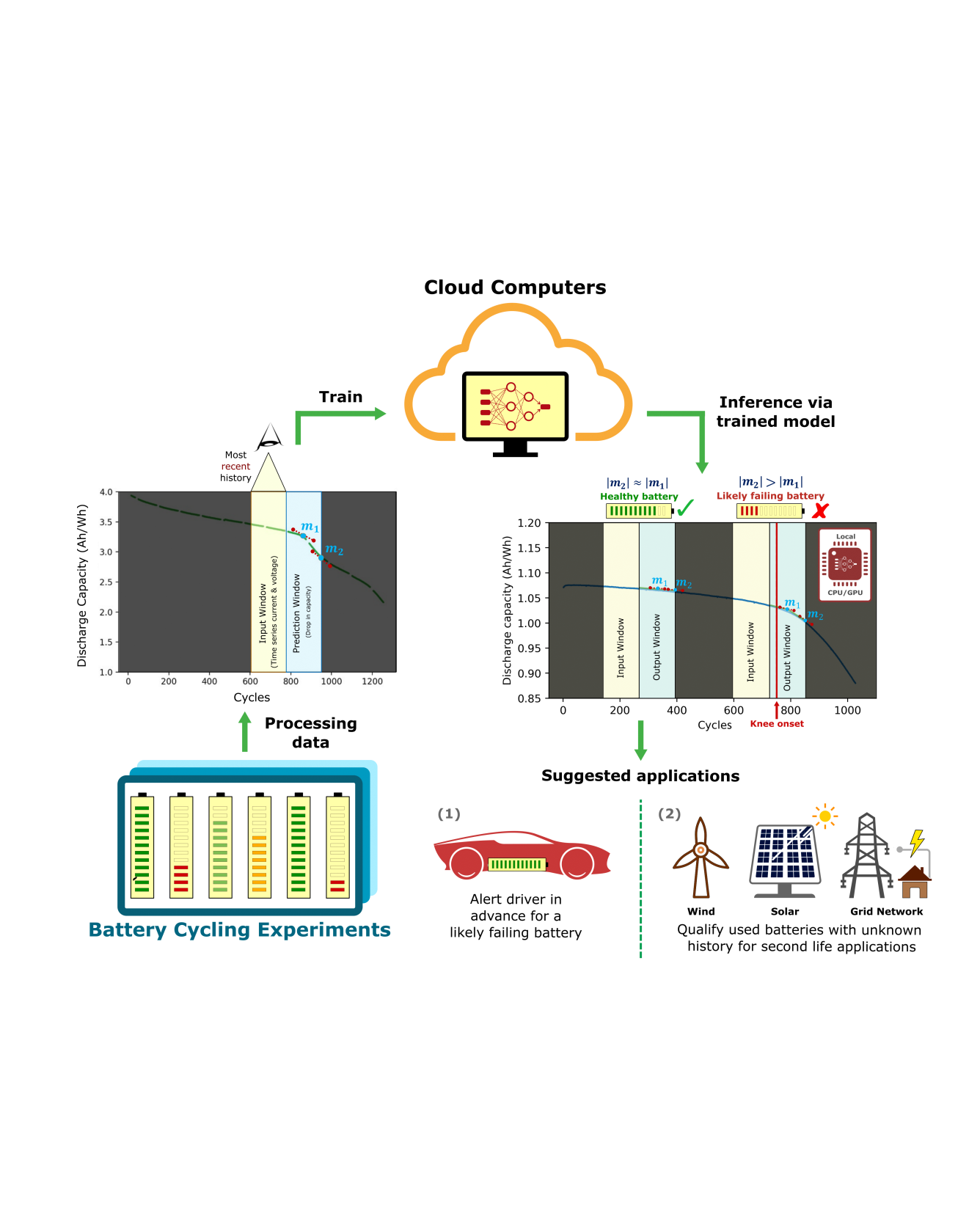
Lithium-ion batteries (LIBs) have attracted widespread attention as an efficient energy storage device on electric vehicles (EV) to achieve emission-free mobility. However, the performance of LIBs deteriorates with time and usage, and the state of health of used batteries are difficult to quantify. Having accurate estimations of a battery’s remaining life across different life stages would benefit maintenance, safety, and serve as a means of qualifying used batteries for second-life applications. Since the full history of a battery may not always be available in downstream applications, in this study, we demonstrate a deep learning framework that enables dynamic degradation rate prediction, including both short-term and long-term forecasting, while requiring only the most recent battery usage information. Specifically, our model takes a rolling window of current and voltage time-series inputs, and predicts the near-term and long-term capacity fade via a recurrent neural network. We exhaustively benchmark our model against a naive extrapolating model by evaluating the error on reconstructing the discharge capacity profile under different settings. We show that our model’s performance in accurately inferring the battery’s degradation profile is agnostic with respect to cell cycling history and its current state of health. This approach can provide a promising path towards evaluating battery health in running vehicles, enhance edge-computing battery diagnostics, and determine the state of health for used batteries with unknown cycling histories. READ MORE
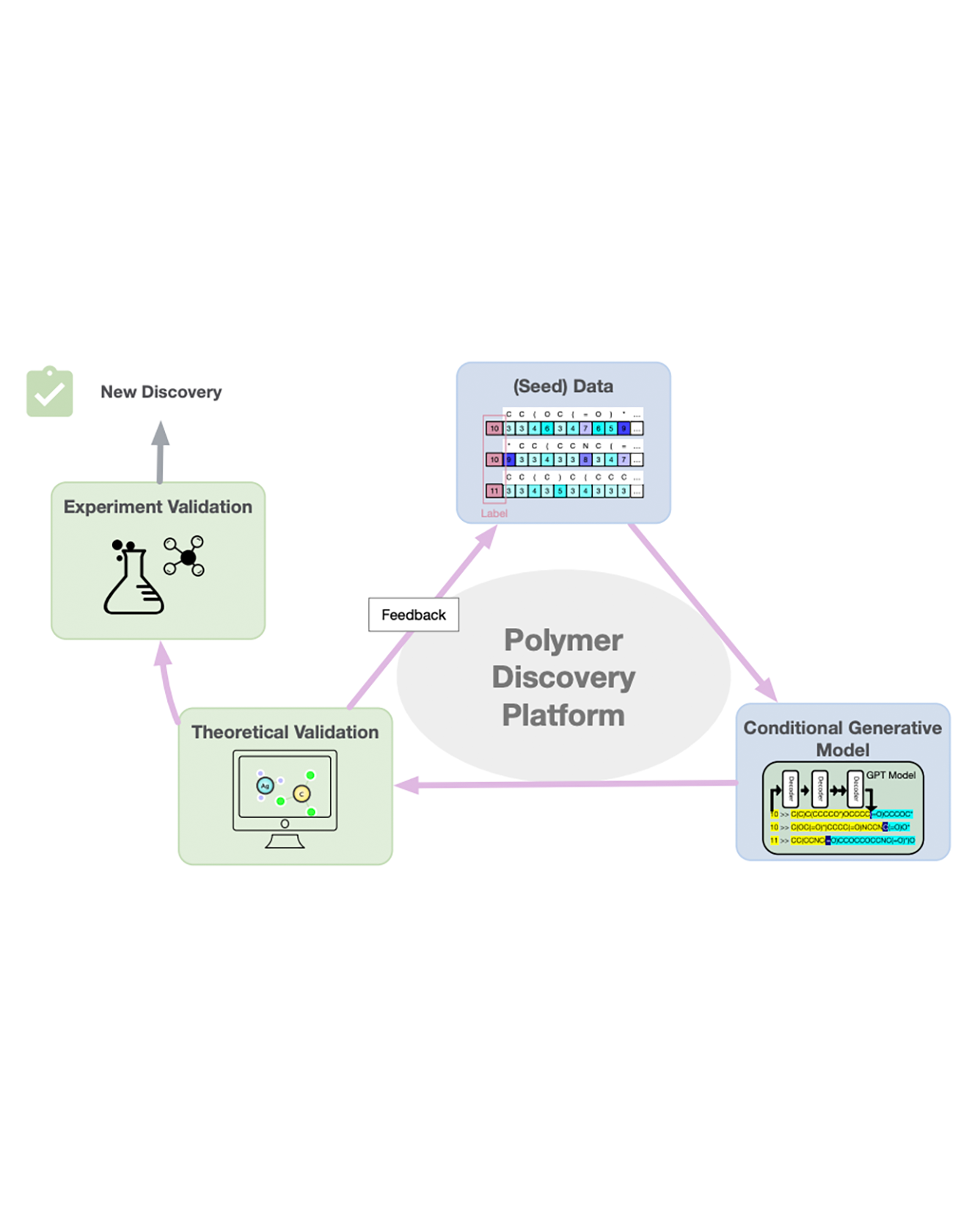
In this work, we introduce a polymer discovery platform designed to identify polymers with tailored properties efficiently, exemplified through the discovery of high-performance polymer electrolytes. The platform integrates three core components: a conditioned generative model, validation modules, and a feedback mechanism, creating a self-improving system for material innovation. To demonstrate the efficacy of this platform, it is used to identify polymer electrolyte materials with high ionic conductivity. A simple conditional generative model, based on the minGPT architecture, can effectively generate candidate polymers that exhibit a mean ionic conductivity that is significantly greater than those in the original training set. This approach, coupled with molecular dynamics simulations for validation and a specifically designed acquisition mechanism, allows the platform to refine its output iteratively. Notably, after the first iteration, we observed an increase in both the mean and the lower bound of the ionic conductivity of the new polymer candidates. The platform's effectiveness is underscored by the identification of 19 polymer repeating units, each displaying a computed ionic conductivity surpassing that of Polyethylene Oxide (PEO). The discovery of these polymers validates the platform's efficacy in identifying potential polymer materials. Acknowledging current limitations, future work will focus on enhancing modeling techniques, validation processes, and acquisition strategies, aiming for broader applicability in polymer science and machine learning. READ MORE