Featured Publications
All Publications

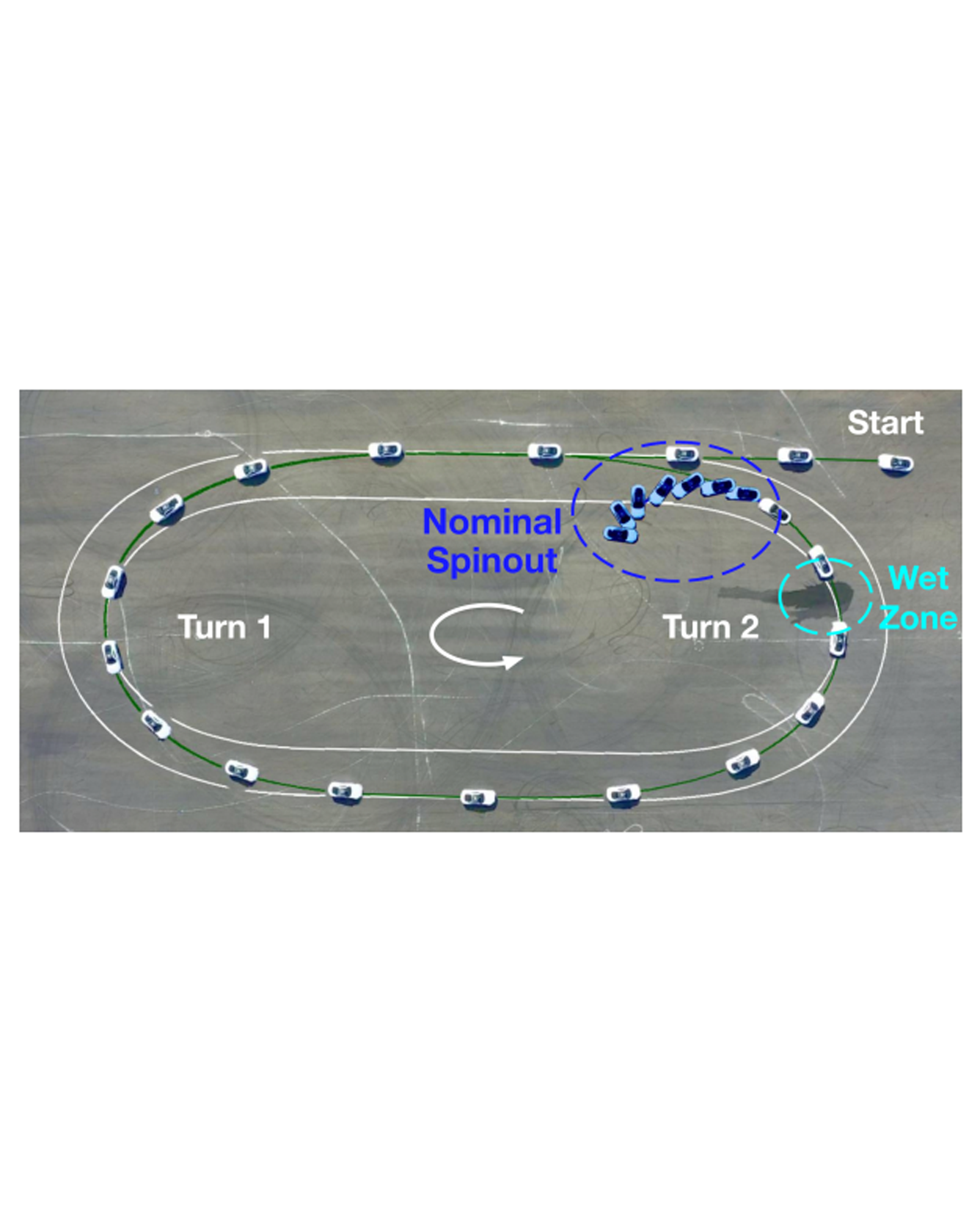
Model predictive control (MPC) algorithms can be sensitive to model mismatch when used in challenging nonlinear control tasks. In particular, the performance of MPC for vehicle control at the limits of handling suffers when the underlying model overestimates the vehicle's capabilities. In this work, we propose a risk-averse MPC framework that explicitly accounts for uncertainty over friction limits and tire parameters. Our approach leverages a sample-based approximation of an optimal control problem with a conditional value at risk (CVaR) constraint. This sample-based formulation enables planning with a set of expressive vehicle dynamics models using different tire parameters. Moreover, this formulation enables efficient numerical resolution via sequential quadratic programming and GPU parallelization. Experiments on a Lexus LC 500 show that risk-averse MPC unlocks reliable performance, while a deterministic baseline that plans using a single dynamics model may lose control of the vehicle in adverse road conditions. READ MORE
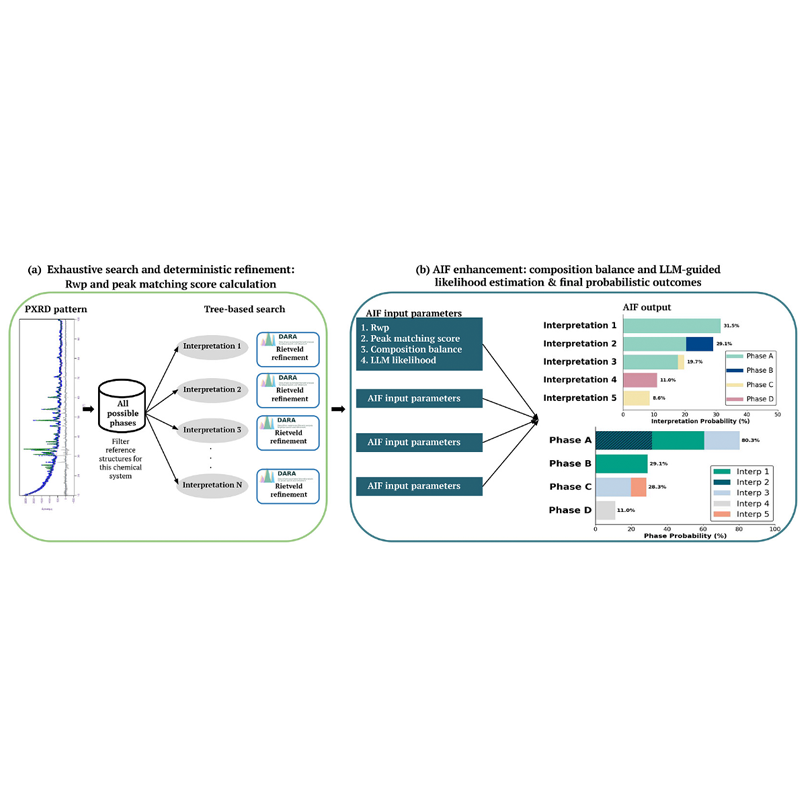
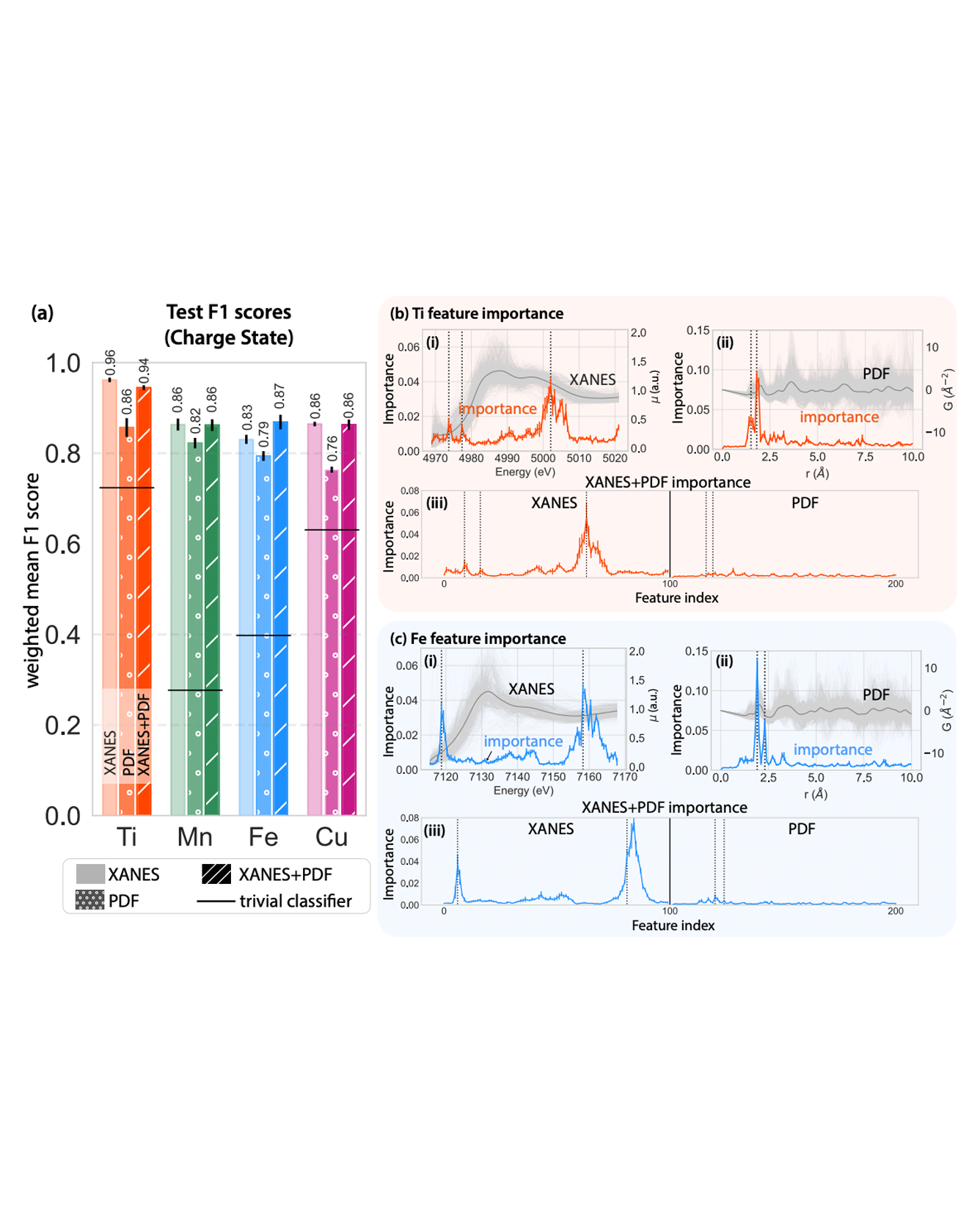
We used off-the-shelf interpretable ML techniques to combine information from multiple heterogeneous spectra: X-ray absorption near-edge spectra (XANES) and atomic pair distribution functions (PDFs), to extract information about local structure and chemistry of transition metal oxides. This approach enabled us to analyze the relative contributions of the different spectra to different prediction tasks. Specifically, we trained random forest models on XANES, PDF, and both of them combined, to extract charge (oxidation) state, coordination number, and mean nearest-neighbor bond length of transition metal cations in oxides. We find that XANES-only models tend to outperform the PDF-only models for all the tasks, and information from XANES often dominated when the two inputs were combined. This was even true for structural tasks where we might expect PDF to dominate. However, the performance gap closes when we used species-specific differential PDFs (dPDFs) as the inputs instead of total PDFs. Our results highlight that XANES contains rich structural information and may be further developed as a structural probe. Our interpretable, multimodal approach is quick and easy to implement when suitable structural and spectroscopic databases are available. This approach provides valuable insights into the relative strengths of different modalities for a practical scientific goal, guiding researchers in their experiment design tasks such as deciding when it is useful to combine complementary techniques in a scientific investigation. READ MORE
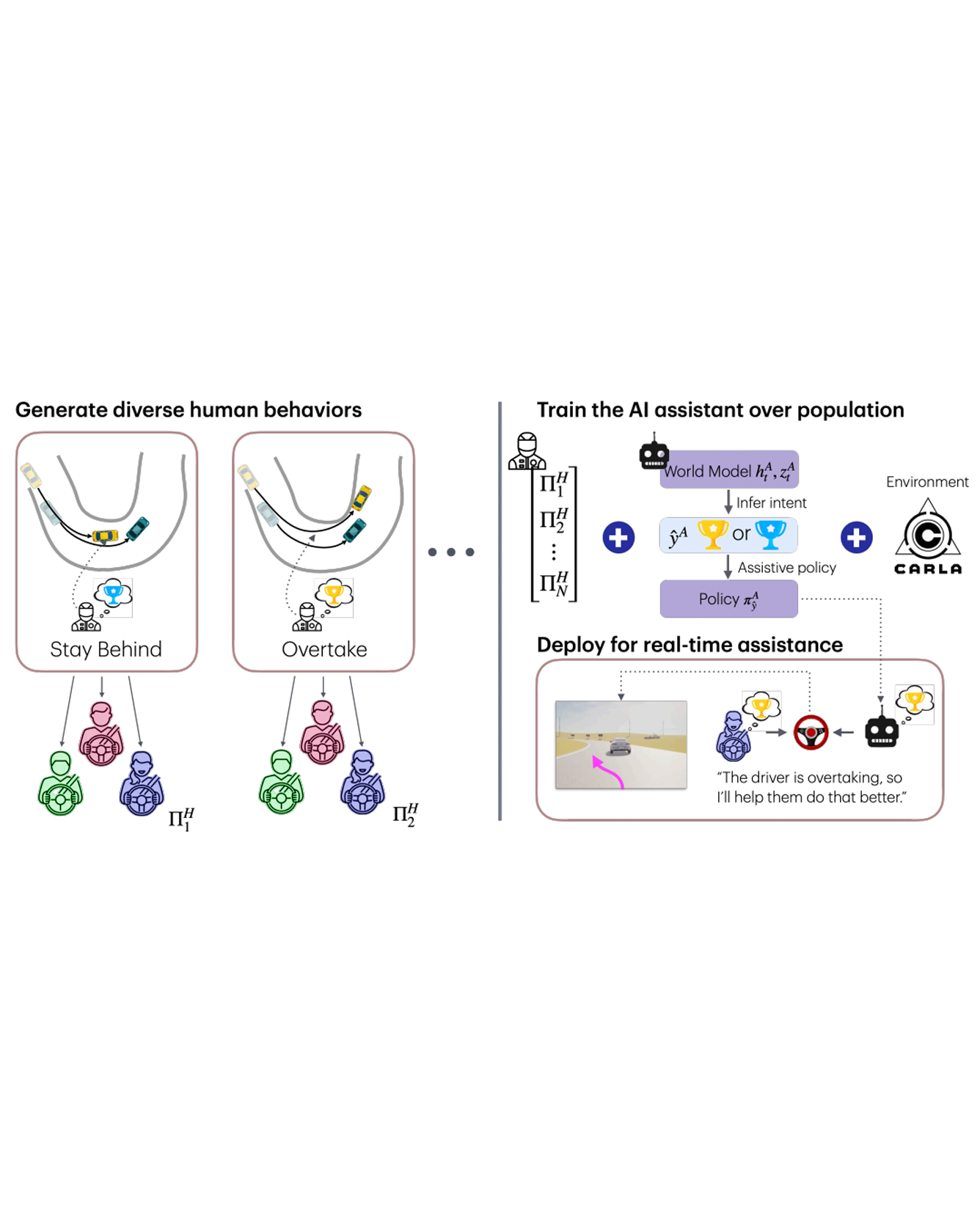
Tight coordination is required for effective human-robot teams in domains involving fast dynamics and tactical decisions, such as multi-car racing. In such settings, robot teammates must react to cues of a human teammate's tactical objective to assist in a way that is consistent with the objective (e.g., navigating left or right around an obstacle). To address this challenge, we present Dream2Assist, a framework that combines a rich world model able to infer human objectives and value functions, and an assistive agent that provides appropriate expert assistance to a given human teammate. Our approach builds on a recurrent state space model to explicitly infer human intents, enabling the assistive agent to select actions that align with the human and enabling a fluid teaming interaction. We demonstrate our approach in a high-speed racing domain with a population of synthetic human drivers pursuing mutually exclusive objectives, such as "stay-behind" and "overtake". We show that the combined human-robot team, when blending its actions with those of the human, outperforms the synthetic humans alone as well as several baseline assistance strategies, and that intent-conditioning enables adherence to human preferences during task execution, leading to improved performance while satisfying the human's objective. READ MORE
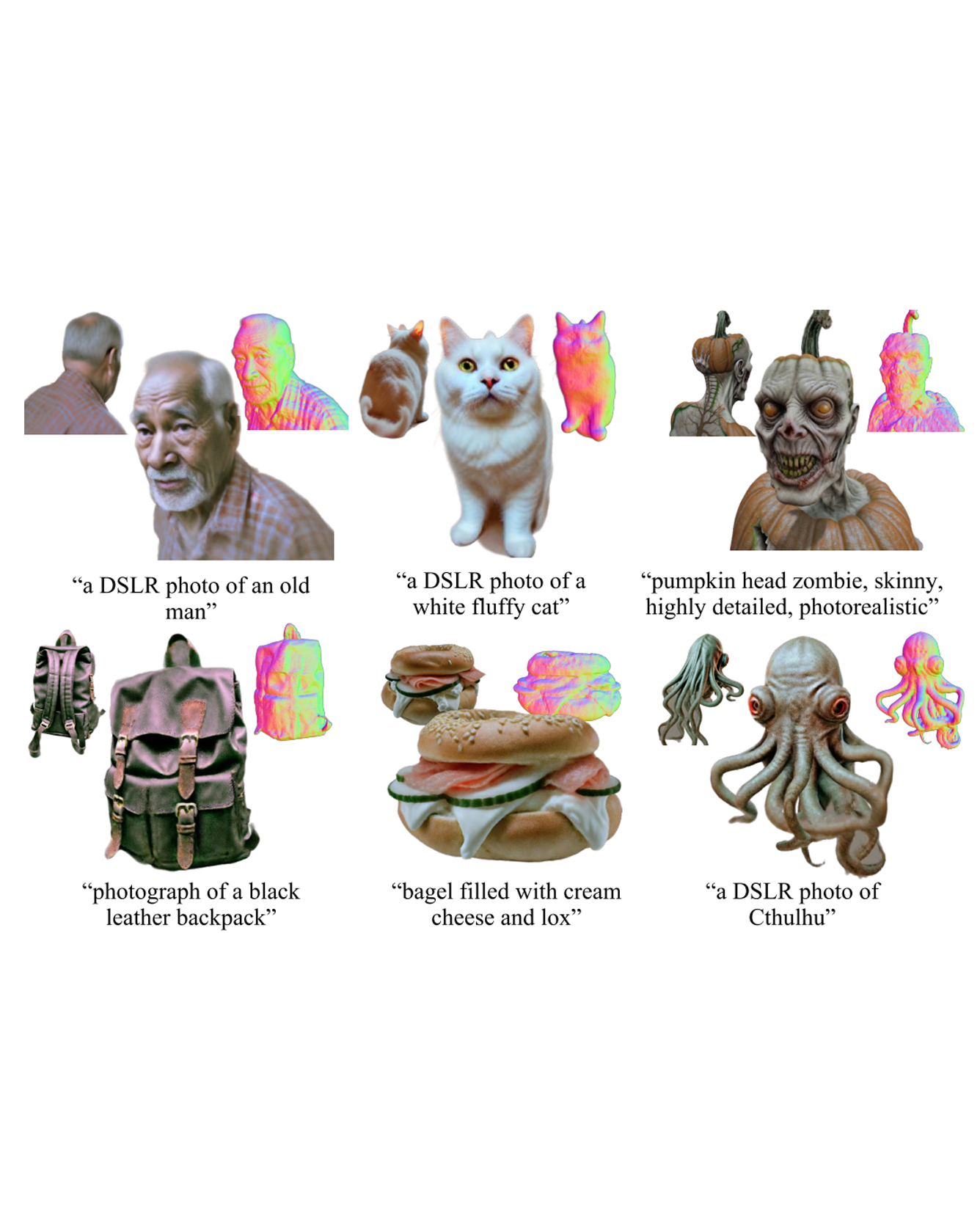
While 2D diffusion models generate realistic, high-detail images, 3D shape generation methods like Score Distillation Sampling (SDS) built on these 2D diffusion models produce cartoon-like, over-smoothed shapes. To help explain this discrepancy, we show that the image guidance used in Score Distillation can be understood as the velocity field of a 2D denoising generative process, up to the choice of a noise term. In particular, after a change of variables, SDS resembles a high-variance version of Denoising Diffusion Implicit Models (DDIM) with a differently-sampled noise term: SDS introduces noise i.i.d. randomly at each step, while DDIM infers it from the previous noise predictions. This excessive variance can lead to over-smoothing and unrealistic outputs. We show that a better noise approximation can be recovered by inverting DDIM in each SDS update step. This modification makes SDS's generative process for 2D images almost identical to DDIM. In 3D, it removes over-smoothing, preserves higher-frequency detail, and brings the generation quality closer to that of 2D samplers. Experimentally, our method achieves better or similar 3D generation quality compared to other state-of-the-art Score Distillation methods, all without training additional neural networks or multi-view supervision, and providing useful insights into relationship between 2D and 3D asset generation with diffusion models. READ MORE
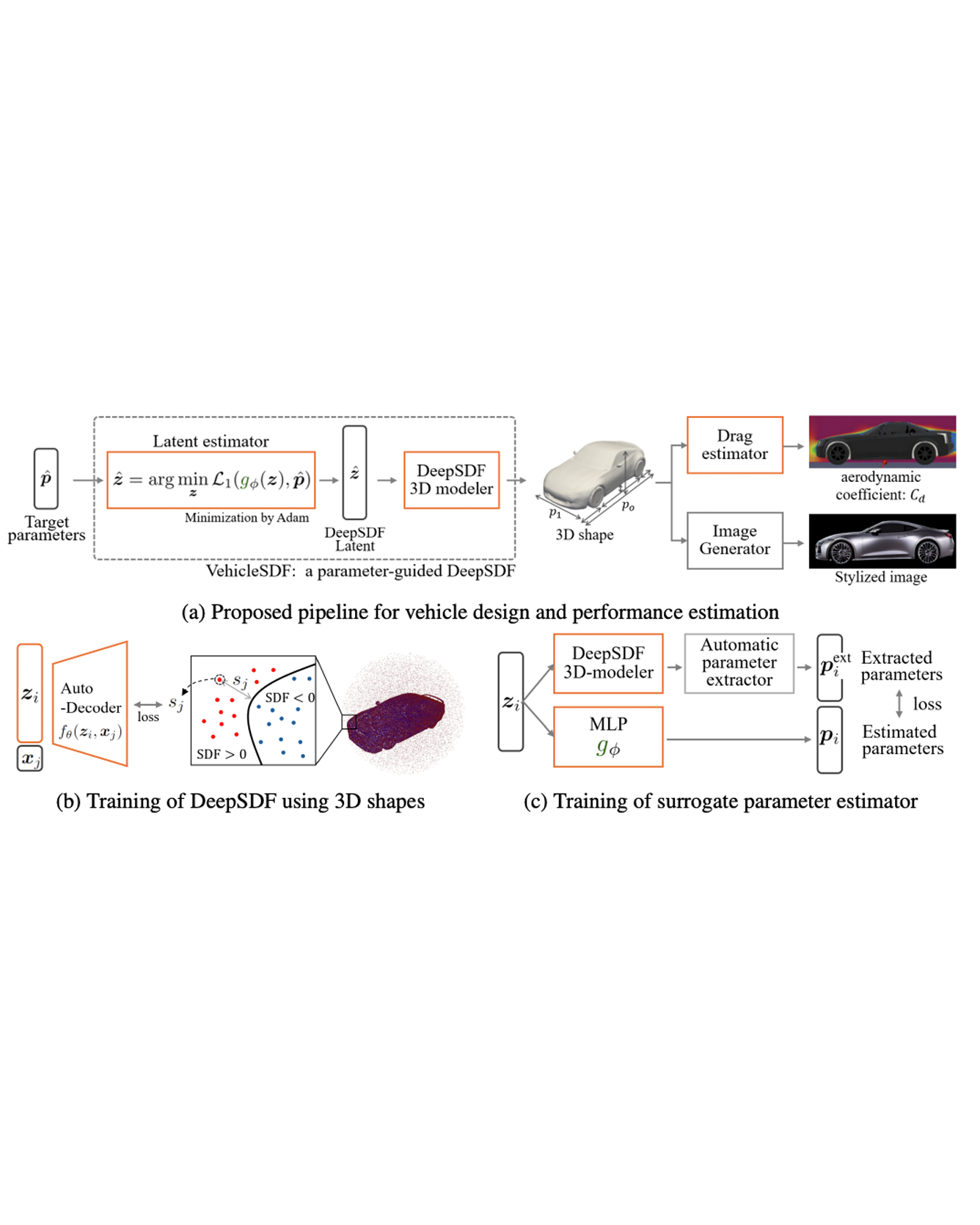
A main challenge in mechanical design is to efficiently explore the design space while satisfying engineering constraints. This work explores the use of 3D generative models to explore the design space in the context of vehicle development, while estimating and enforcing engineering constraints. Specifically, we generate diverse 3D models of cars that meet a given set of geometric specifications, while also obtaining quick estimates of performance parameters such as aerodynamic drag. For this, we employ a data-driven approach (using the ShapeNet dataset) to train VehicleSDF, a DeepSDF based model that represents potential designs in a latent space witch can be decoded into a 3D model. We then train surrogate models to estimate engineering parameters from this latent space representation, enabling us to efficiently optimize latent vectors to match specifications. Our experiments show that we can generate diverse 3D models while matching the specified geometric parameters. Finally, we demonstrate that other performance parameters such as aerodynamic drag can be estimated in a differentiable pipeline. READ MORE
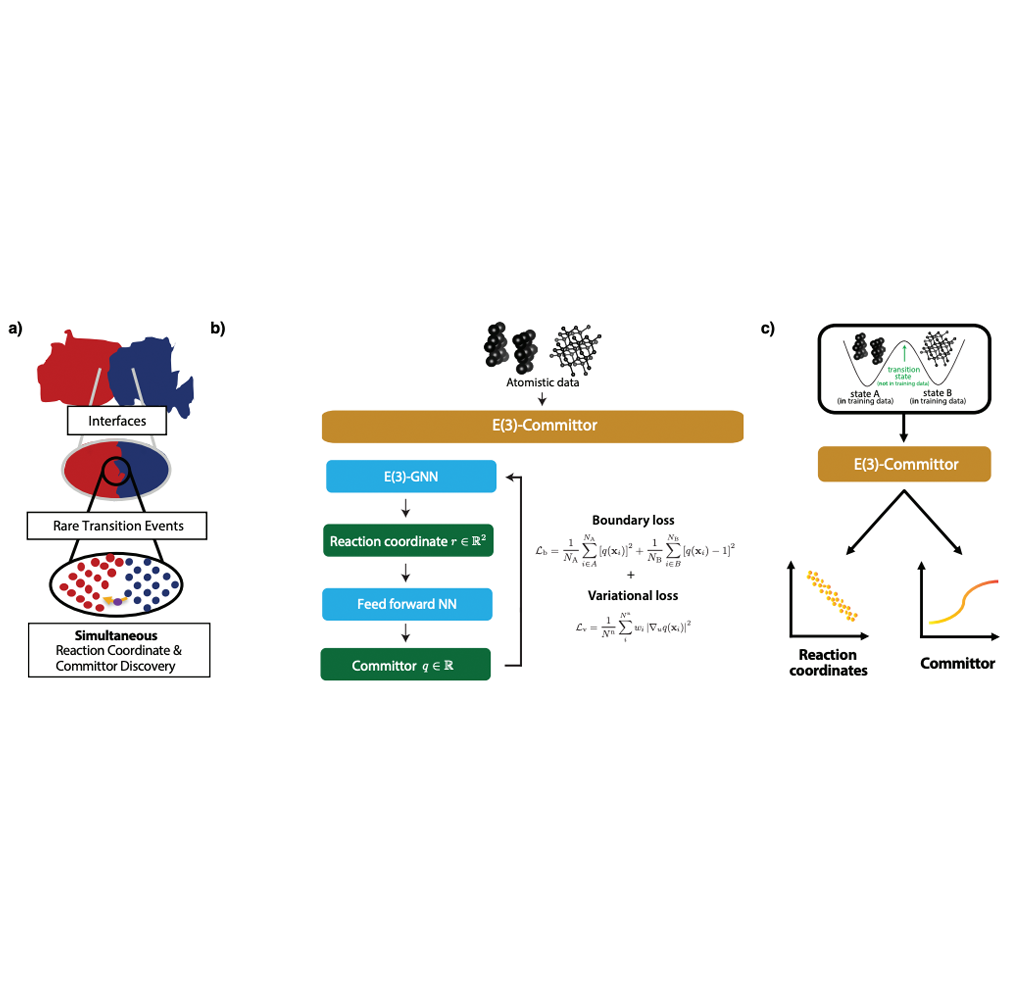
Atoms rearrange themselves during materials synthesis; understanding this self-organization choreography would help the design of novel synthesis recipes. Yet, the mechanisms of such phase transformations are often governed by statistically improbable atomic transitions - known as rare events - that are challenging to investigate by direct, brute-force sampling with conventional atomistic simulations. The transition-state theory framework has been successfully applied for numerous rare-event sampling techniques, which require prior knowledge of reaction coordinates to be encoded in a committor function. Here we show how E(3)-equivariant graph neural networks can be used to simultaneously learn physically appropriate reaction coordinates and committors, solely from molecular dynamics simulations near the start and end states of a reaction. This approach is applied to two dramatically different systems and associated mechanisms, namely the conformational transition in a alanine dipeptide molecule and the solid-liquid transition in the solidification of the CrFeNi metallic alloy. We demonstrated that this approach reduces the need for human intervention in designing reaction coordinates and committor functions, which may enable the high-throughput study of transition states. READ MORE
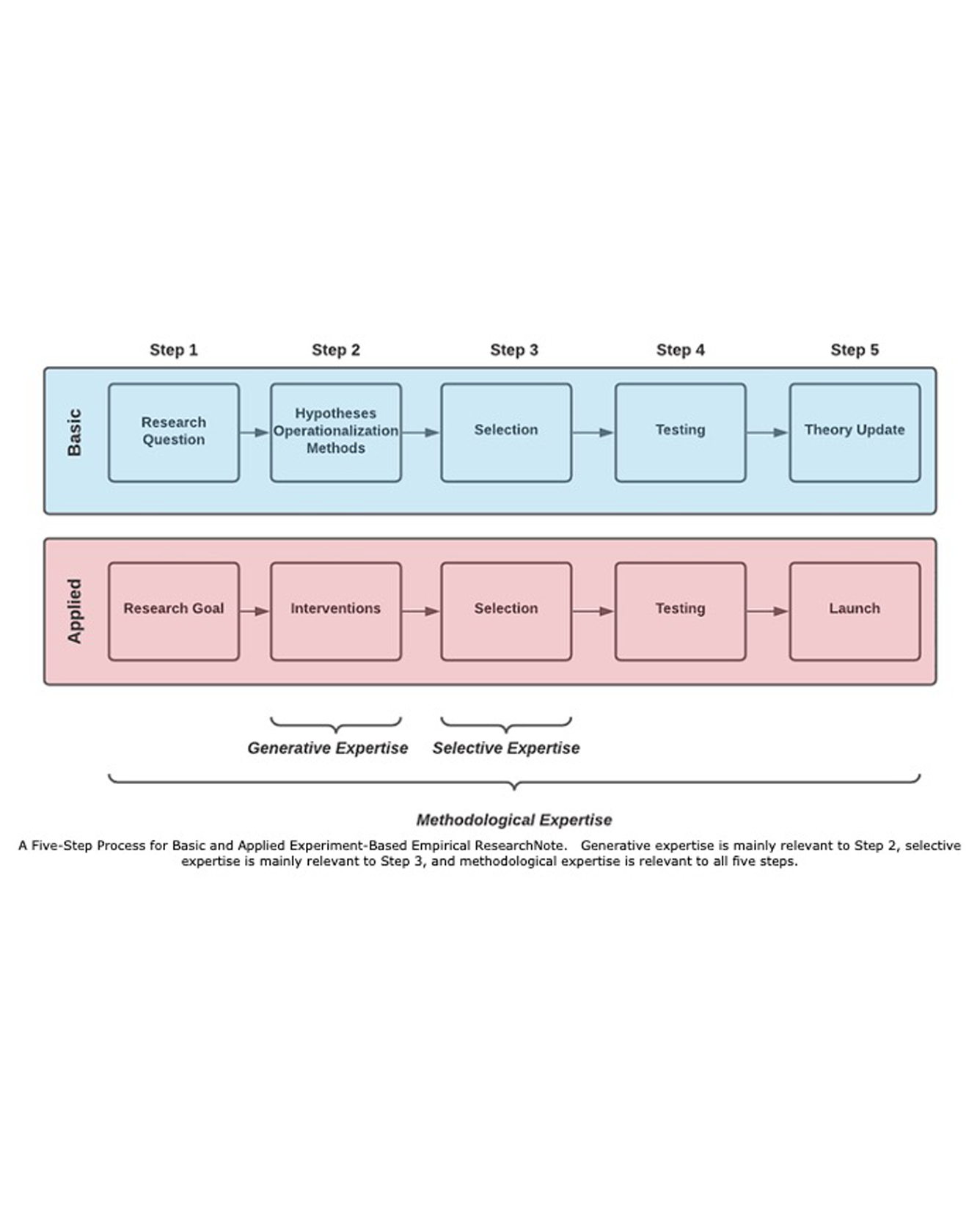
The heterogeneity of outcomes in behavioral research has long been perceived as a challenge for the validity of various theoretical models. More recently, however, researchers have started perceiving heterogeneity as something that needs to be not only acknowledged but also actively addressed, particularly in applied research. A serious challenge, however, is that classical psychological methods are not well suited for making practical recommendations when heterogeneous outcomes are expected. In this article, we argue that heterogeneity requires a separation between basic and applied behavioral methods, and between different types of behavioral expertise. We propose a novel framework for evaluating behavioral expertise and suggest that selective expertise can easily be automated via various machine learning methods. We illustrate the value of our framework via an empirical study of the preferences towards battery electric vehicles. Our results suggest that a basic multiarm bandit algorithm vastly outperforms human expertise in selecting the best interventions. READ MORE
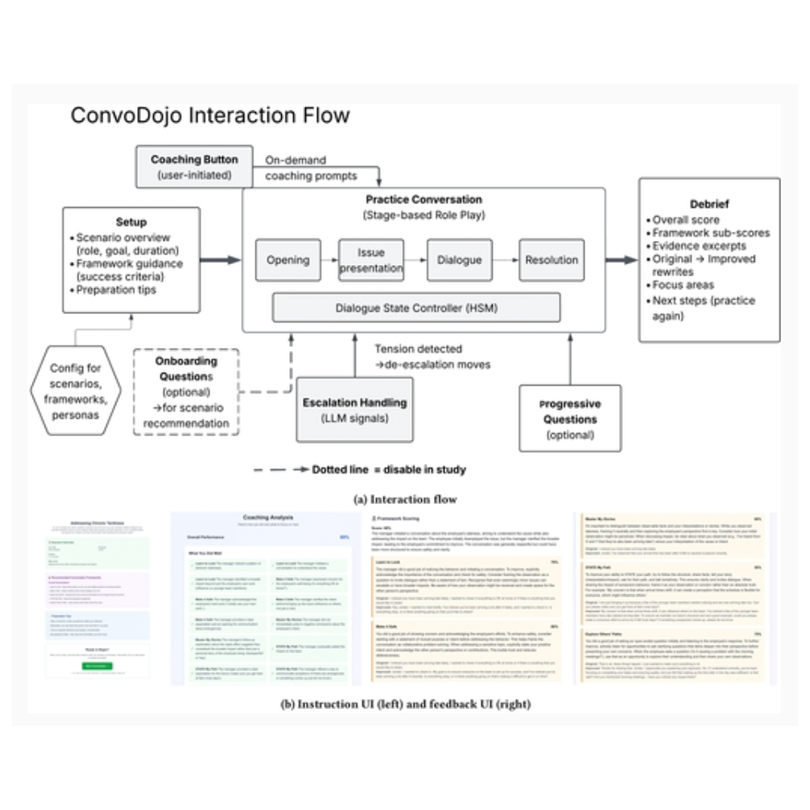
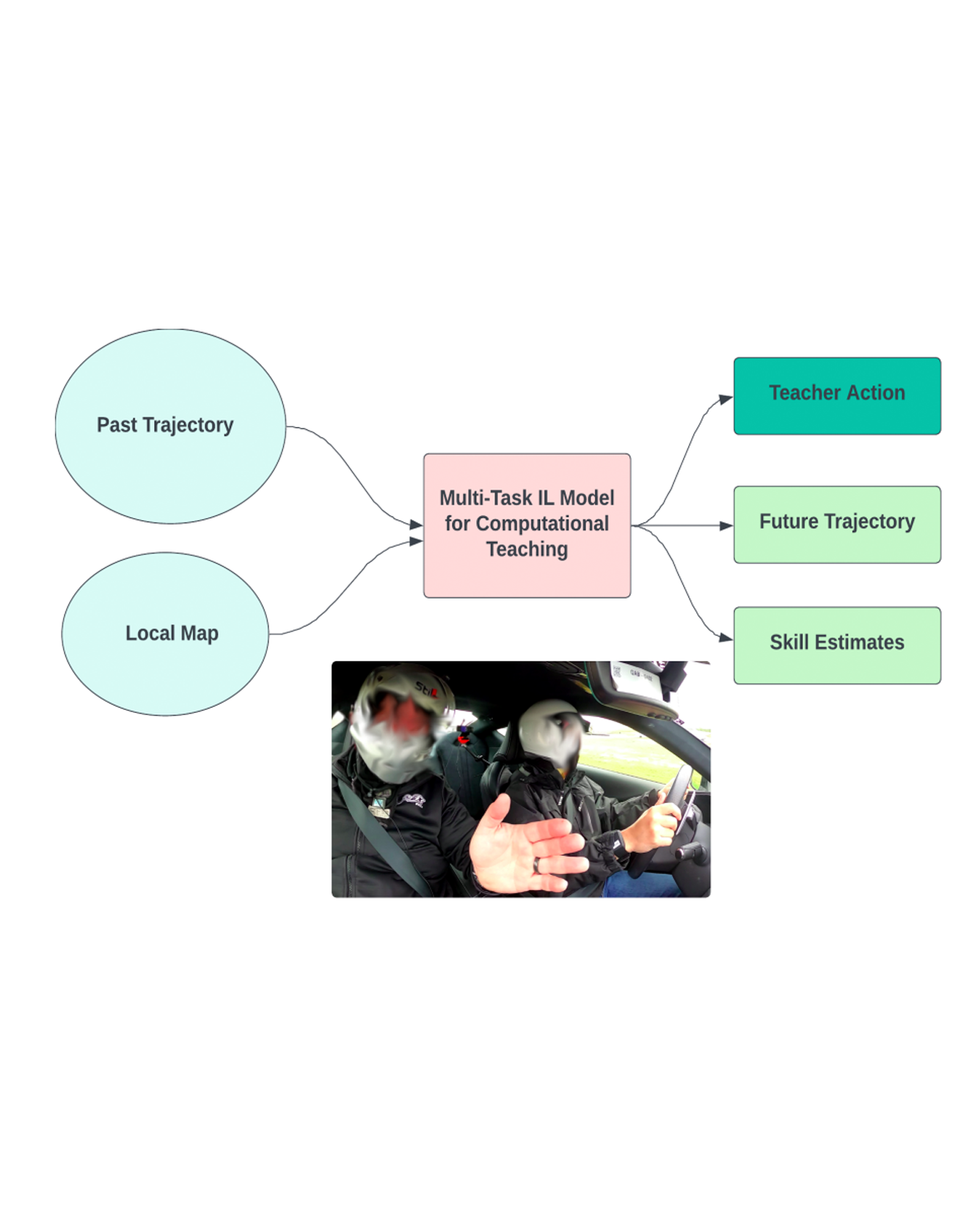
Learning motor skills for sports or performance driving is often done with professional instruction from expert human teachers, whose availability is limited. Our goal is to enable automated teaching via a learned model that interacts with the student similar to a human teacher. However, training such automated teaching systems is limited by the availability of high-quality annotated datasets of expert teacher and student interactions that are difficult to collect at scale. To address this data scarcity problem, we propose an approach for training a coaching system for complex motor tasks such as high performance driving via a Multi-Task Imitation Learning (MTIL) paradigm. MTIL allows our model to learn robust representations by utilizing self-supervised training signals from more readily available non-interactive datasets of humans performing the task of interest. We validate our approach with (1) a semi-synthetic dataset created from real human driving trajectories, (2) a professional track driving instruction dataset, (3) a track-racing driving simulator human-subject study, and (4) a system demonstration on an instrumented car at a race track. Our experiments show that the right set of auxiliary machine learning tasks improves performance in predicting teaching instructions. Moreover, in the human subjects study, students exposed to the instructions from our teaching system improve their ability to stay within track limits, and show favorable perception of the model’s interaction with them, in terms of usefulness and satisfaction. READ MORE
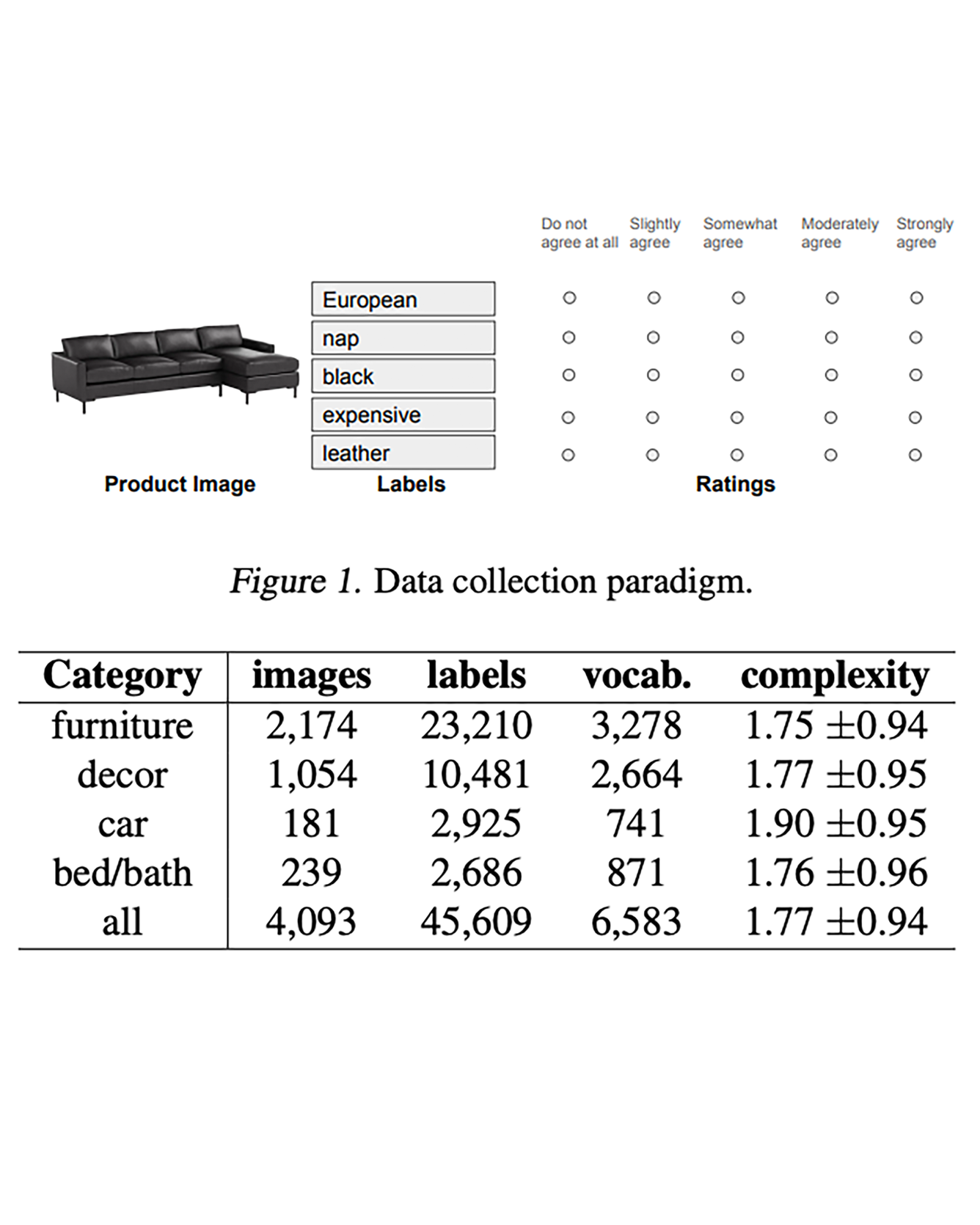
Product images (e.g., a phone) can be used to elicit a diverse set of consumer-reported features expressed through language, including surfacelevel perceptual attributes (e.g., “white”) and more complex ones, like perceived utility (e.g., “battery”). The cognitive complexity of elicited language reveals the nature of cognitive processes and the context required to understand them; cognitive complexity also predicts consumers’ subsequent choices. This work offers an approach for measuring and validating the cognitive complexity of human language elicited by product images, providing a tool for understanding the cognitive processes of human as well as virtual respondents simulated by Large Language Models (LLMs). We also introduce a large dataset that includes diverse descriptive labels for product images, including human-rated complexity. We demonstrate that human-rated cognitive complexity can be approximated using a set of natural language models that, combined, roughly capture the complexity construct. Moreover, this approach is minimally supervised and scalable, even in use cases with limited human assessment of complexity. The dataset will be made public. READ MORE
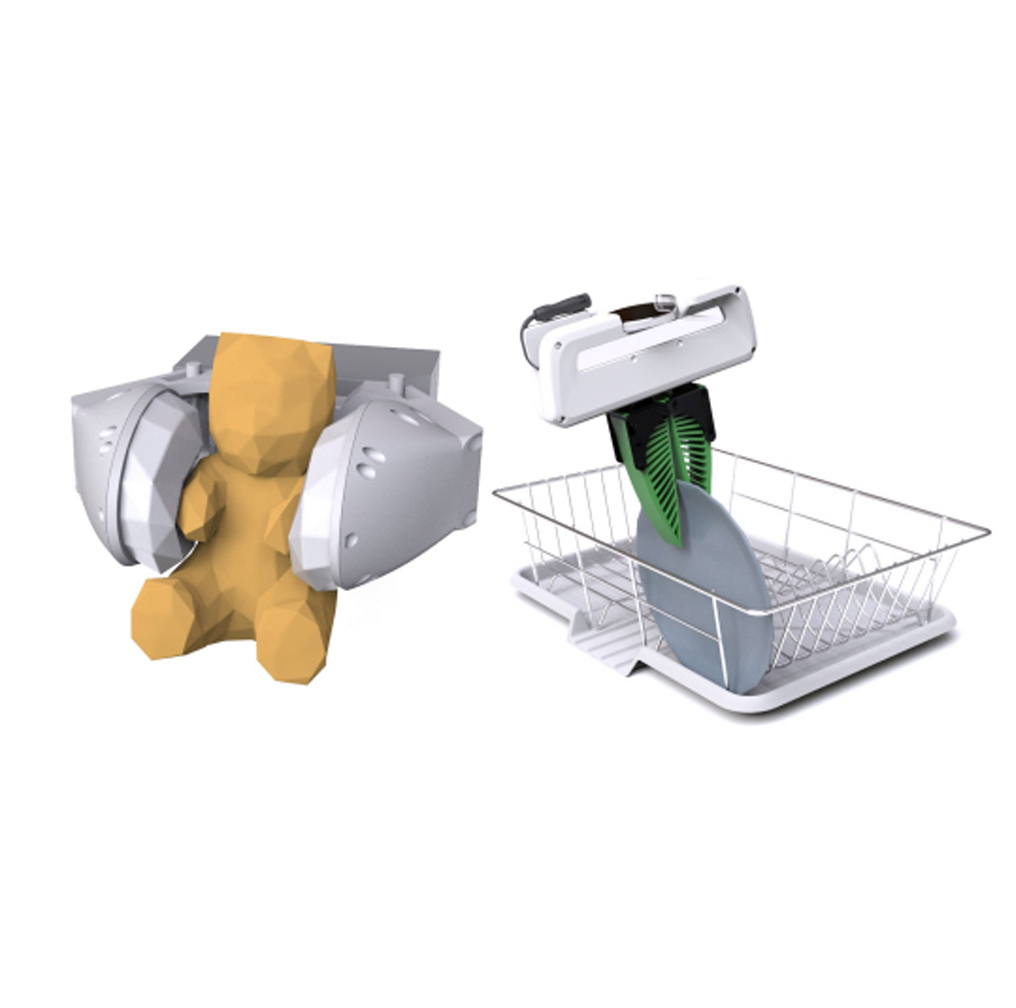
Physics-based simulation is essential for developing and evaluating robot manipulation policies, particularly in scenarios involving deformable objects and complex contact interactions. However, existing simulators often struggle to balance computational efficiency with numerical accuracy, especially when modeling deformable materials with frictional contact constraints. We introduce an efficient subspace representation for the Incremental Potential Contact (IPC) method, leveraging model reduction to decrease the number of degrees of freedom. Our approach decouples simulation complexity from the resolution of the input model by representing elasticity in a low-resolution subspace while maintaining collision constraints on an embedded high-resolution surface. Our barrier formulation ensures intersection-free trajectories and configurations regardless of material stiffness, time step size, or contact severity. We validate our simulator through quantitative experiments with a soft bubble gripper grasping and qualitative demonstrations of placing a plate on a dish rack. The results demonstrate our simulator’s efficiency, physical accuracy, computational stability, and robust handling of frictional contact, making it well-suited for generating demonstration data and evaluating downstream robot training applications. More details and supplementary material are on the website: https://sites.google.com/view/embedded-ipc. READ MORE