Featured Publications
All Publications

GMP-Featurizer is a lightweight, accurate, efficient, and scalable software package for calculating the Gaussian Multipole (GMP) features (Lei & Medford, 2022) for a variety of atomic systems with elements across the periodic table. Starting from the GMP feature computation module from AmpTorch (AMPTorch, 2020), the capability of GMP-Featurizer has since been greatly improved, including its accuracy and efficiency (please refer to the Overview section for details), as well as the ability to parallelize on different cores, even machines. Moreover, this Python package only has very few dependencies that are all standard Python libraries, plus CFFI for C++ code interfacing and Ray (Moritz et al., 2018) for parallelization, making it lightweight and robust. A set of unit tests are designed to ensure the reliability of its outputs. A set of extensive examples and tutorials, as well as two sets of pseudopotential files (needed for specifying the GMP feature set), are also included in this package for its users. Overall, this package is designed to serve as a standard implementation for chemical and material scientists who are interested in developing models based on GMP features. The source code for this package is freely available to the public under the Apache 2.0 license. READ MORE

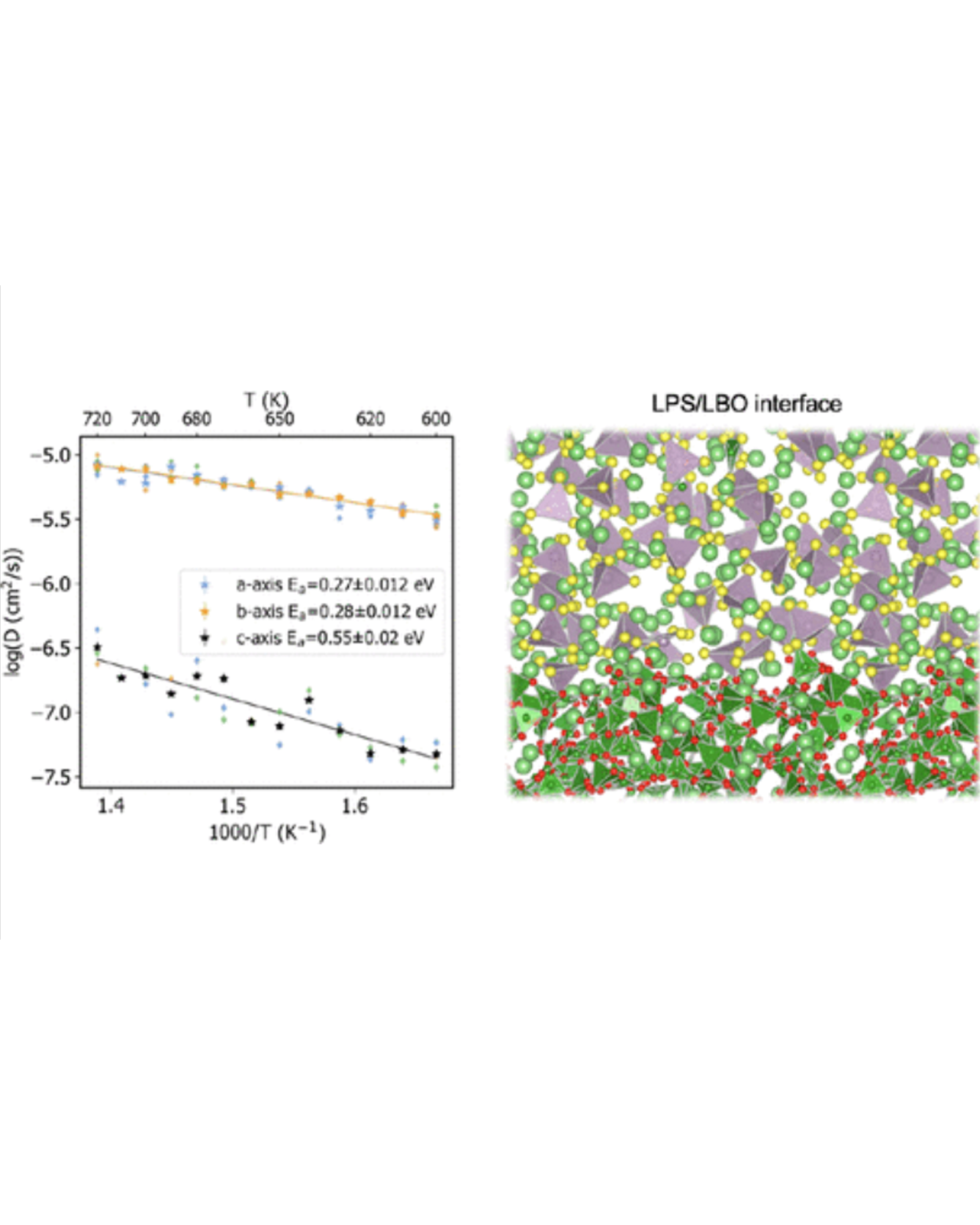
Non-crystalline solid materials have attracted growing attention in energy storage for their desirable properties such as ionic conductivity, stability, and processability. However, compared to bulk crystalline materials, fundamental understanding of these highly complex metastable systems is hindered by the scale limitations of density functional theory (DFT) calculations and resolution limitations of experimental methods. To fill the knowledge gap and guide the rational design of amorphous battery materials and interfaces, we present a molecular dynamics (MD) framework based on machine-learned interatomic potentials trained on the fly to study the amorphous solid electrolyte Li3PS4 and its protective coating, amorphous Li3B11O18. The use of machine-learned potentials allows us to simulate the materials at time and length scales that are not accessible to DFT while maintaining a near-DFT level of accuracy. This approach allows us to calculate amorphization energies, amorphous–amorphous interface energies, and the impact of the interface on lithium ion conductivity. This study demonstrates the promising role of actively learned interatomic potentials in extending the application of ab initio modeling to more complex and realistic systems such as amorphous materials and interfaces. READ MORE
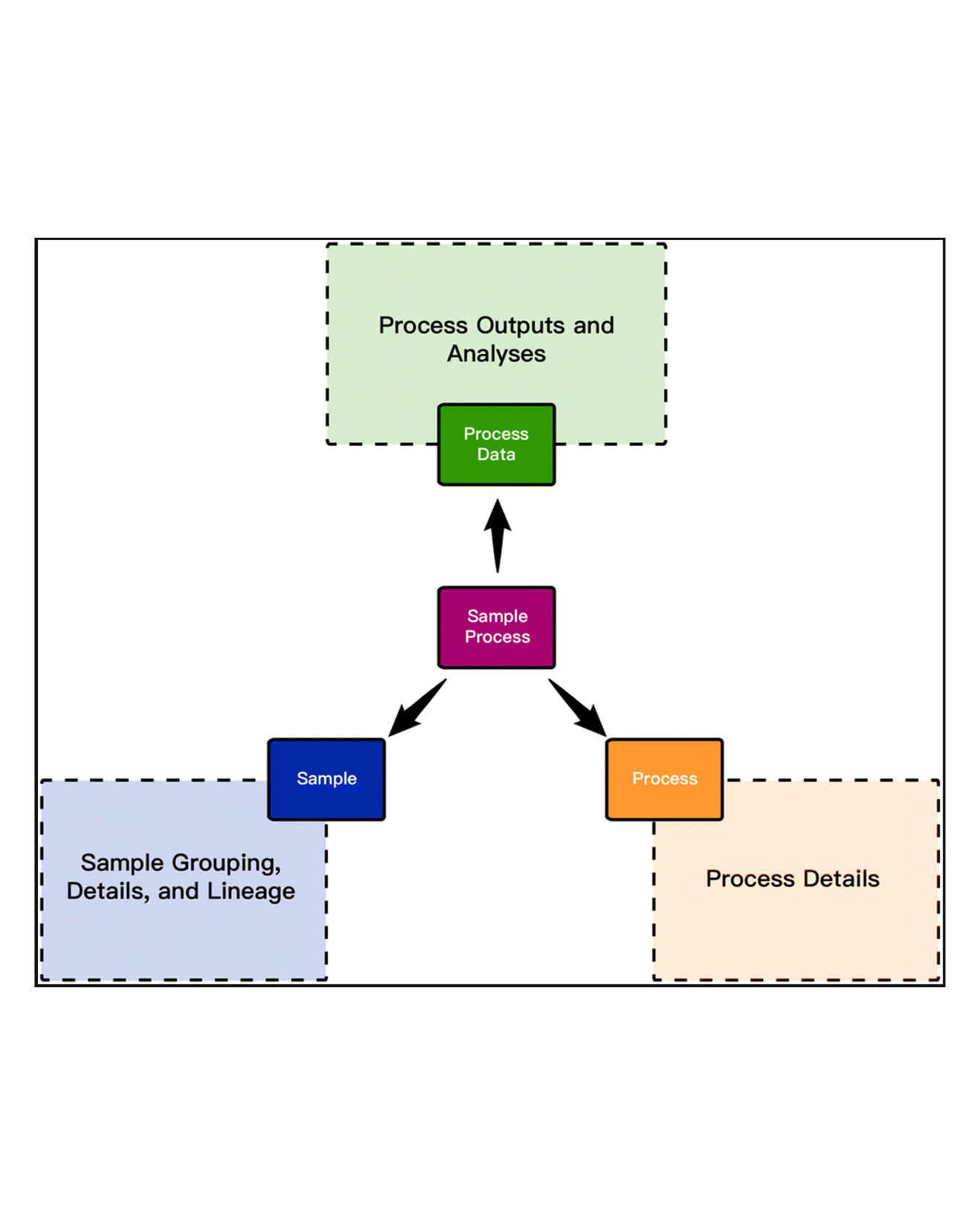
While the vision of accelerating materials discovery using data driven methods is well-founded, practical realization has been throttled due to challenges in data generation, ingestion, and materials state-aware machine learning. High-throughput experiments and automated computational workflows are addressing the challenge of data generation, and capitalizing on these emerging data resources requires ingestion of data into an architecture that captures the complex provenance of experiments and simulations. In this manuscript, we describe an event-sourced architecture for materials provenance (ESAMP) that encodes the sequence and interrelationships among events occurring in a simulation or experiment. We use this architecture to ingest a large and varied dataset (MEAD) that contains raw data and metadata from millions of materials synthesis and characterization experiments performed using various modalities such as serial, parallel, multi-modal experimentation. Our data architecture tracks the evolution of a material's state, enabling a demonstration of how state-equivalency rules can be used to generate datasets that significantly enhance data-driven materials discovery. Specifically, using state-equivalency rules and parameters associated with state-changing processes in addition to the typically used composition data, we demonstrated marked reduction of uncertainty in prediction of overpotential for oxygen evolution reaction (OER) catalysts. Finally, we discuss the importance of ESAMP architecture in enabling several aspects of accelerated materials discovery such as dynamic workflow design, generation of knowledge graphs, and efficient integration of simulation and experiment. READ MORE
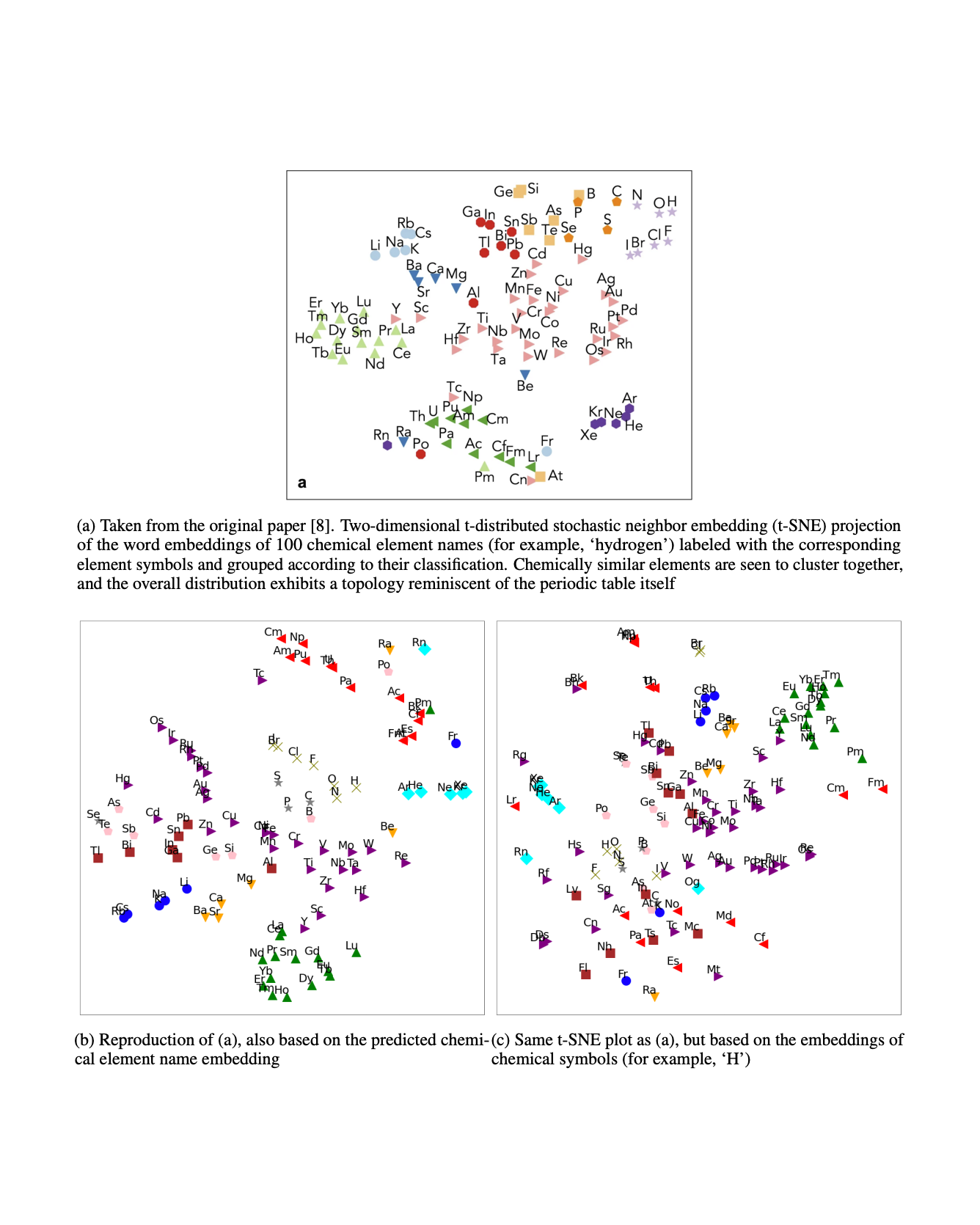
Natural Language Processing (NLP), a cornerstone field within artificial intelligence, has been increasingly utilized in the field of materials science literature. Our study conducts a reproducibility analysis of two pioneering works within this domain: "Machine-learned and codified synthesis parameters of oxide materials" by Kim et al., and "Unsupervised word embeddings capture latent knowledge from materials science literature" by Tshitoyan et al. We aim to comprehend these studies from a reproducibility perspective, acknowledging their significant influence on the field of materials informatics, rather than critiquing them. Our study indicates that both papers offered thorough workflows, tidy and well-documented codebases, and clear guidance for model evaluation. This makes it easier to replicate their results successfully and partially reproduce their findings. In doing so, they set commendable standards for future materials science publications to aspire to. However, our analysis also highlights areas for improvement such as to provide access to training data where copyright restrictions permit, more transparency on model architecture and the training process, and specifications of software dependency versions. We also cross-compare the word embedding models between papers, and find that some key differences in reproducibility and cross-compatibility are attributable to design choices outside the bounds of the models themselves. In summary, our study appreciates the benchmark set by these seminal papers while advocating for further enhancements in research reproducibility practices in the field of NLP for materials science. This balance of understanding and continuous improvement will ultimately propel the intersecting domains of NLP and materials science literature into a future of exciting discoveries. READ MORE
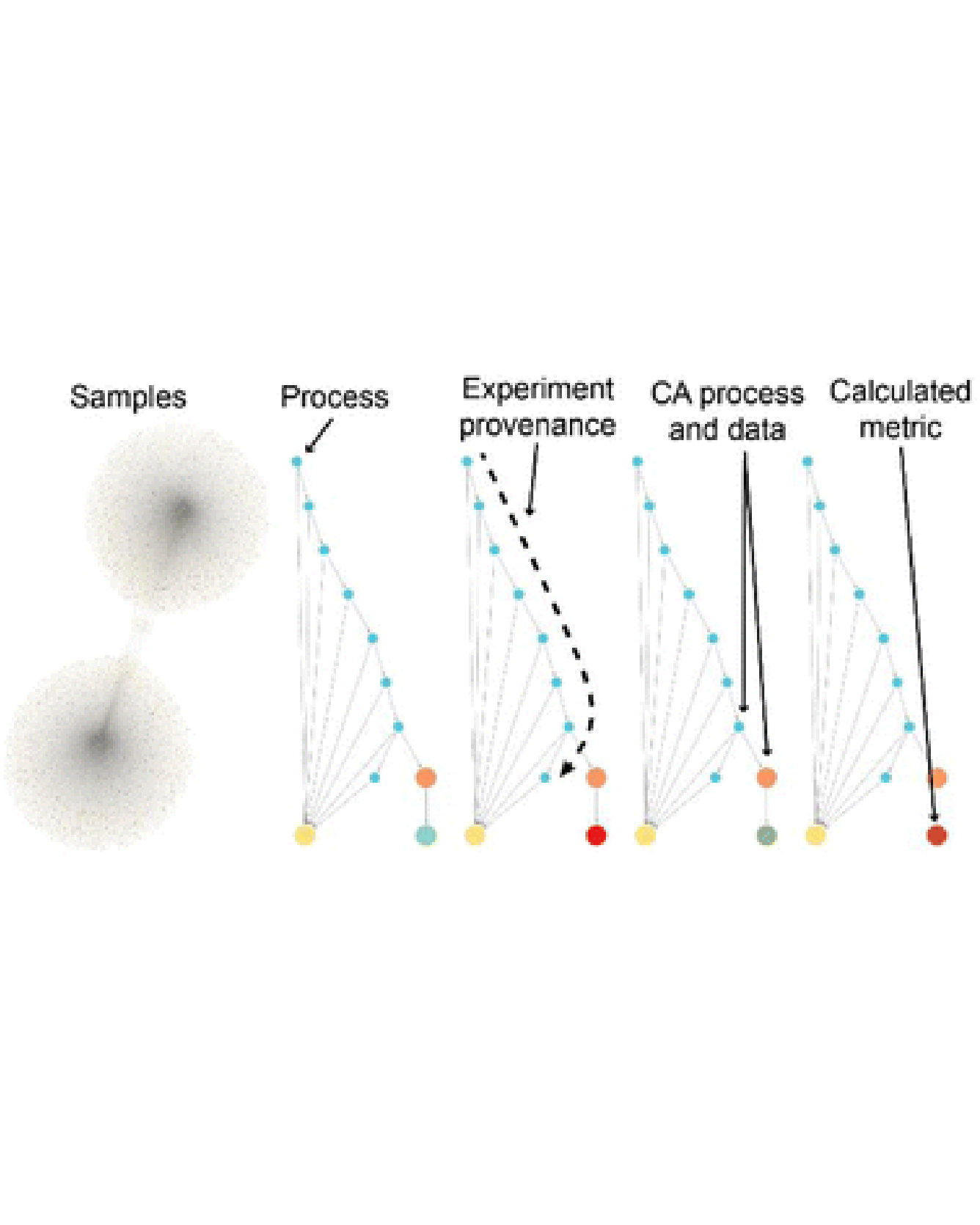
Materials knowledge is inherently hierarchical. While high-level descriptors such as composition and structure are valuable for contextualizing materials data, the data must ultimately be considered in the context of its low-level acquisition details. Graph databases offer an opportunity to represent hierarchical relationships among data, organizing semantic relationships into a knowledge graph. Herein, we establish a knowledge graph of materials experiments whose construction encodes the complete provenance of each material sample and its associated experimental data and metadata. Additional relationships among materials and experiments further encode knowledge and facilitate data exploration. We illustrate the Materials Experiment Knowledge Graph (MekG) using several use cases, demonstrating the value of modern graph databases for the enterprise of data-driven materials science. READ MORE
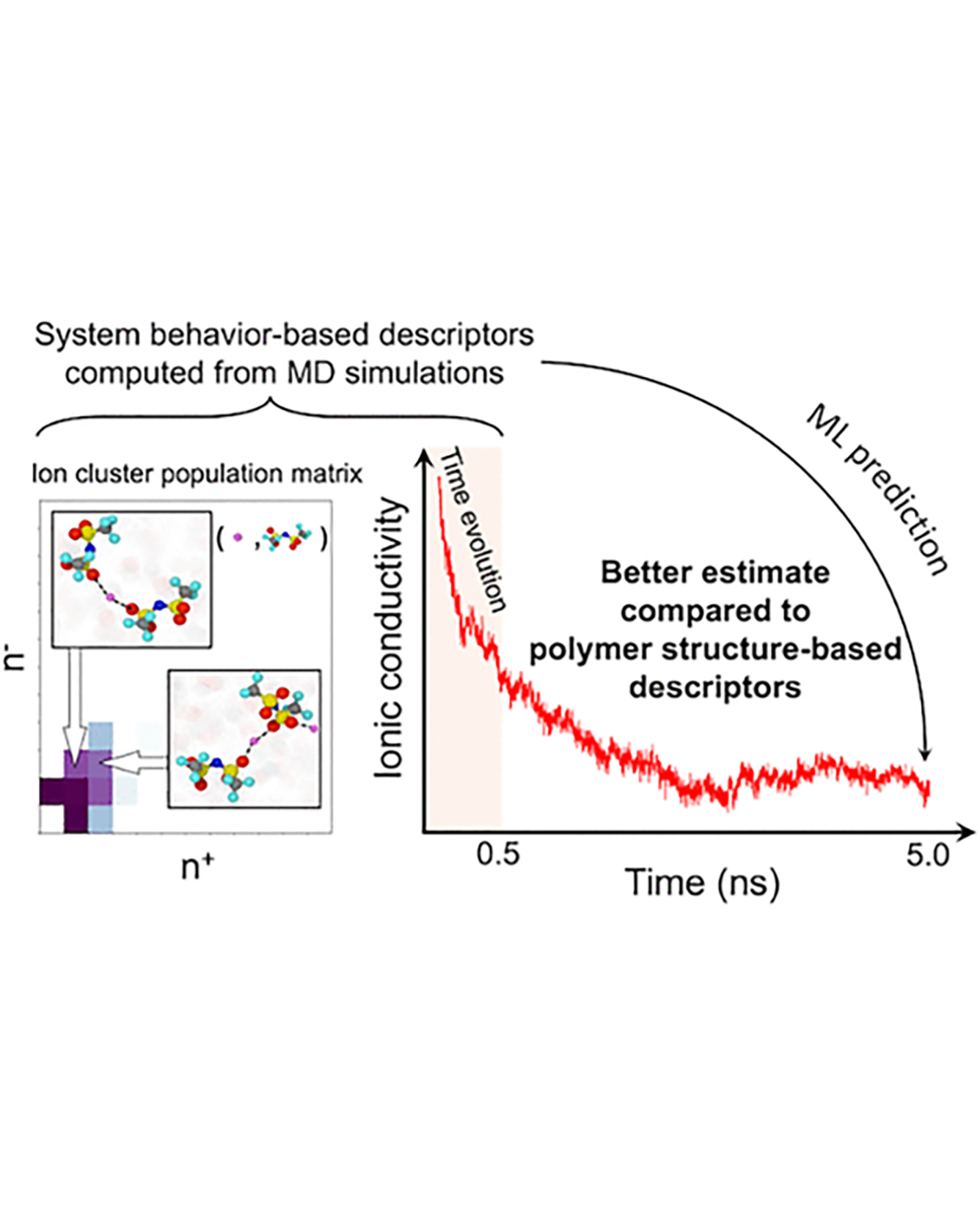
Molecular dynamics simulations are useful tools to screen solid polymer electrolytes with suitable properties applicable to Li-ion batteries. However, due to the vast design space of polymers, it is highly desirable to accelerate the screening by reducing the computational time of ion transport properties from simulations. In this study, we show that with a judicious choice of descriptors we can predict the equilibrium ion transport properties in LiTFSI–homopolymer systems within the first 0.5 ns of the production run of simulations. Specifically, we find that descriptors that include information about the behavior of the system, such as ion clustering and time evolution of ion transport properties, have several advantages over polymer structure-based descriptors, as they encode system (polymer and salt) behavior rather than just the class of polymers and can be computed at any time point during the simulations. These characteristics increase the applicability of our descriptors to a wide range of polymer systems (e.g., copolymers, blend of polymers, salt concentrations, and temperatures) and can be impactful in significantly shortening the discovery pipeline for solid polymer electrolytes. READ MORE
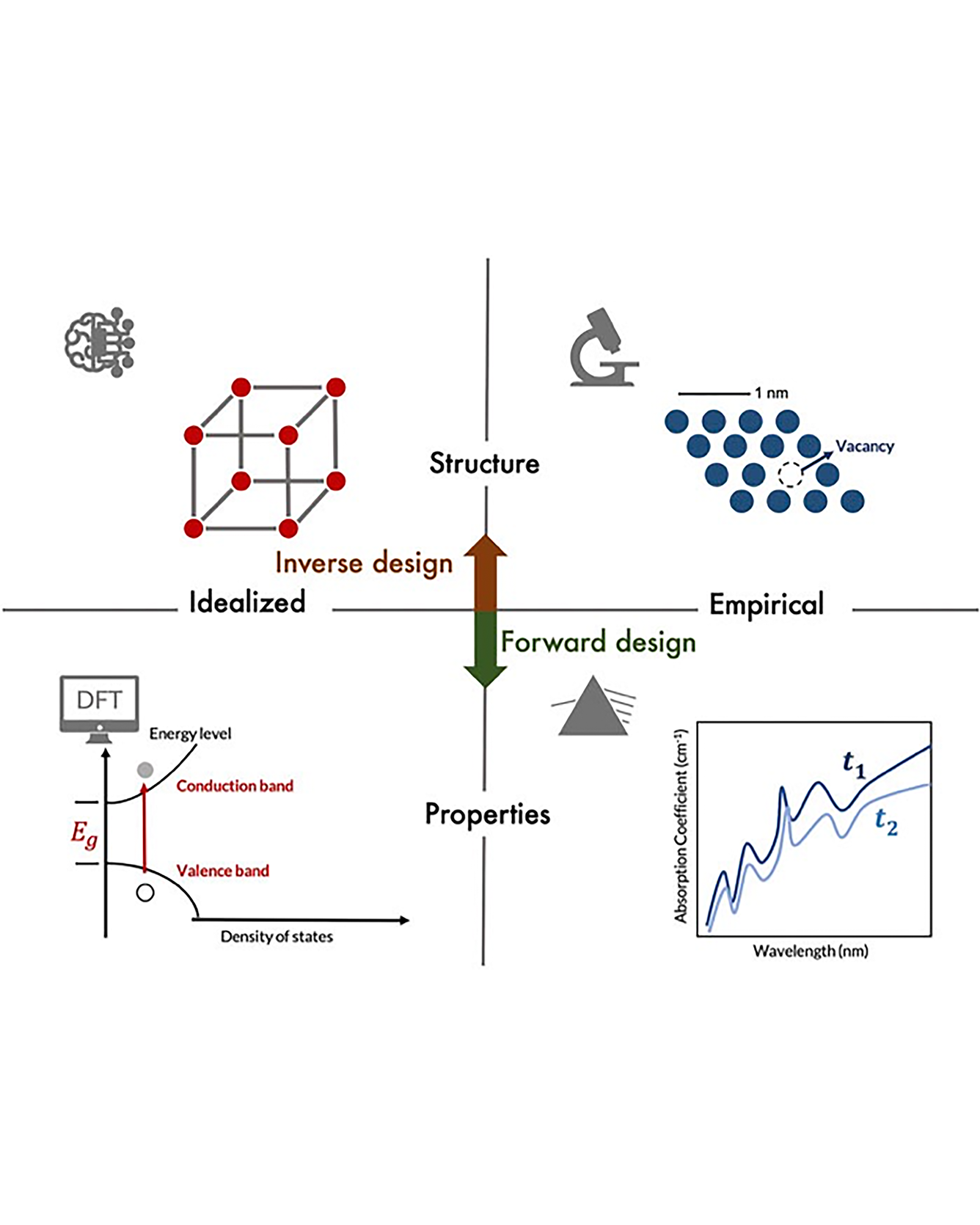
Machine learning (ML) is gaining popularity as a tool for materials scientists to accelerate computation, automate data analysis, and predict materials properties. The representation of input material features is critical to the accuracy, interpretability, and generalizability of data-driven models for scientific research. In this Perspective, we discuss a few central challenges faced by ML practitioners in developing meaningful representations, including handling the complexity of real-world industry-relevant materials, combining theory and experimental data sources, and describing scientific phenomena across timescales and length scales. We present several promising directions for future research: devising representations of varied experimental conditions and observations, the need to find ways to integrate machine learning into laboratory practices, and making multi-scale informatics toolkits to bridge the gaps between atoms, materials, and devices. READ MORE
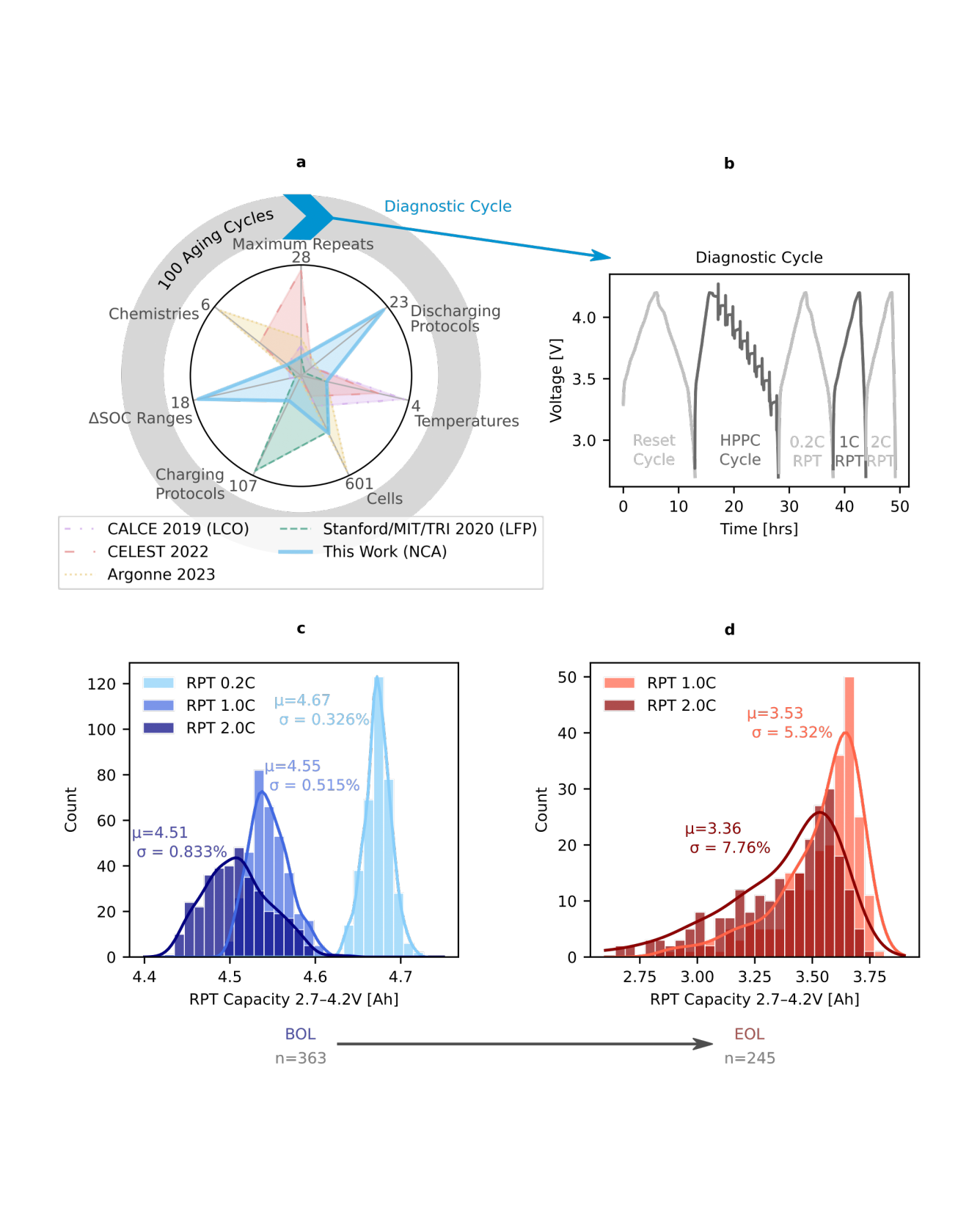
To reliably deploy lithium-ion batteries, a fundamental understanding of cycling and aging behavior is critical. Battery aging, however, consists of complex and highly coupled phenomena, making it challenging to develop a holistic interpretation. In this work, we generate a diverse battery cycling dataset with a broad range of degradation trajectories, consisting of 363 high energy density commercial Li(Ni,Co,Al)O$_2$/Graphite + SiO$_x$ cylindrical 21700 cells cycled under 218 unique cycling protocols. We consolidate aging via 16 mechanistic state-of-health (SOH) metrics, including cell-level performance metrics, electrode-specific capacities/state-of-charges (SOCs), and aging trajectory descriptors. Through the use of interpretable machine learning and explainable features, we deconvolute the underlying factors that contribute to battery degradation. This generalizable data-driven framework reveals the complex interplay between cycling conditions, degradation modes, and SOH, representing a holistic approach towards understanding battery aging. READ MORE
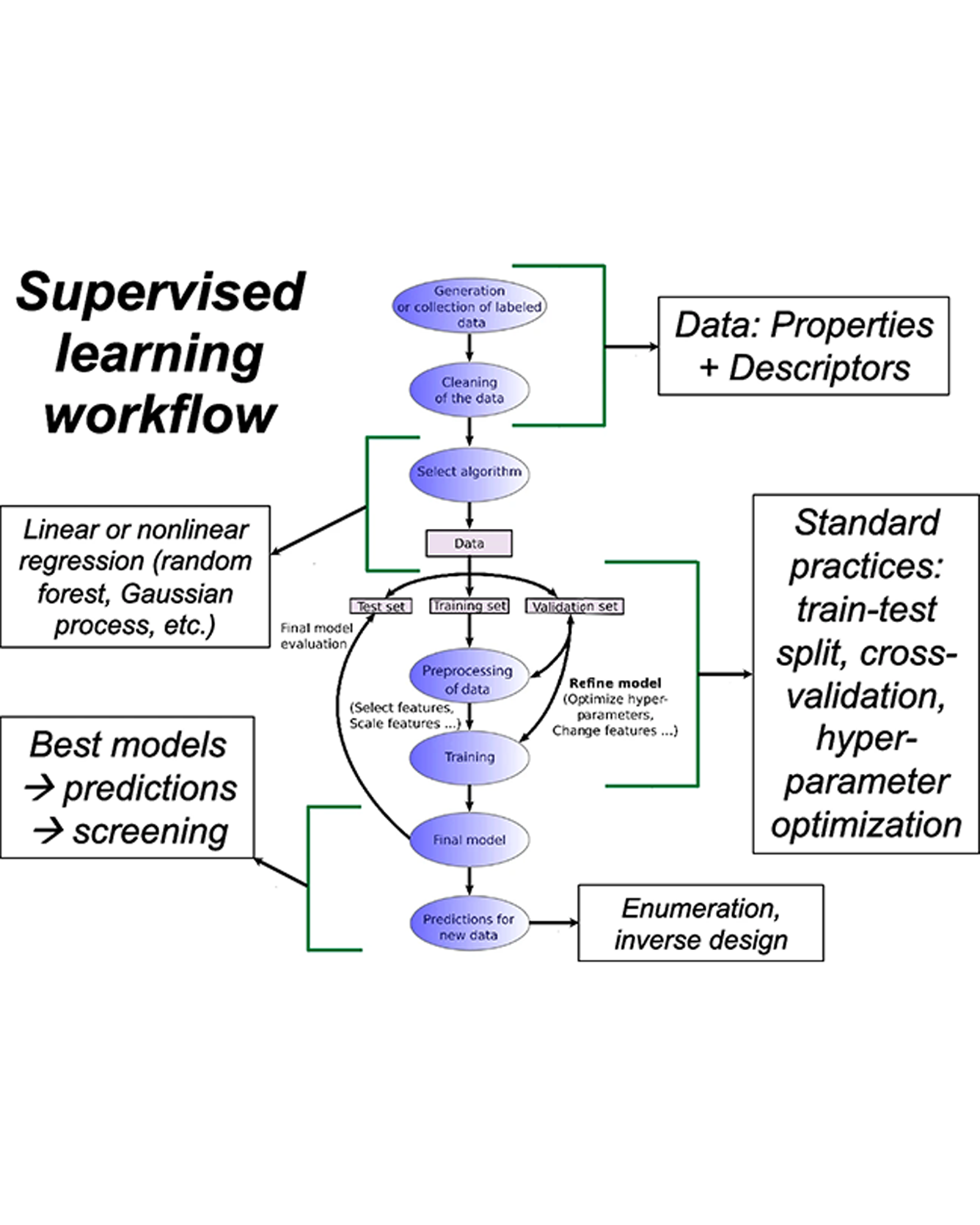
The burgeoning field of materials informatics necessitates a focus on educating the next generation of materials scientists in the concepts of data science, artificial intelligence (AI), and machine learning (ML). In addition to incorporating these topics in undergraduate and graduate curricula, regular hands-on workshops present the most effective medium to initiate researchers to informatics and have them start applying the best AI/ML tools to their own research. With the help of the Materials Research Society (MRS), members of the MRS AI Staging Committee, and a dedicated team of instructors, we successfully conducted workshops covering the essential concepts of AI/ML as applied to materials data, at both the Spring and Fall Meetings in 2022, with plans to make this a regular feature in future meetings. In this article, we discuss the importance of materials informatics education via the lens of these workshops, including details such as learning and implementing specific algorithms, the crucial nuts and bolts of ML, and using competitions to increase interest and participation. READ MORE
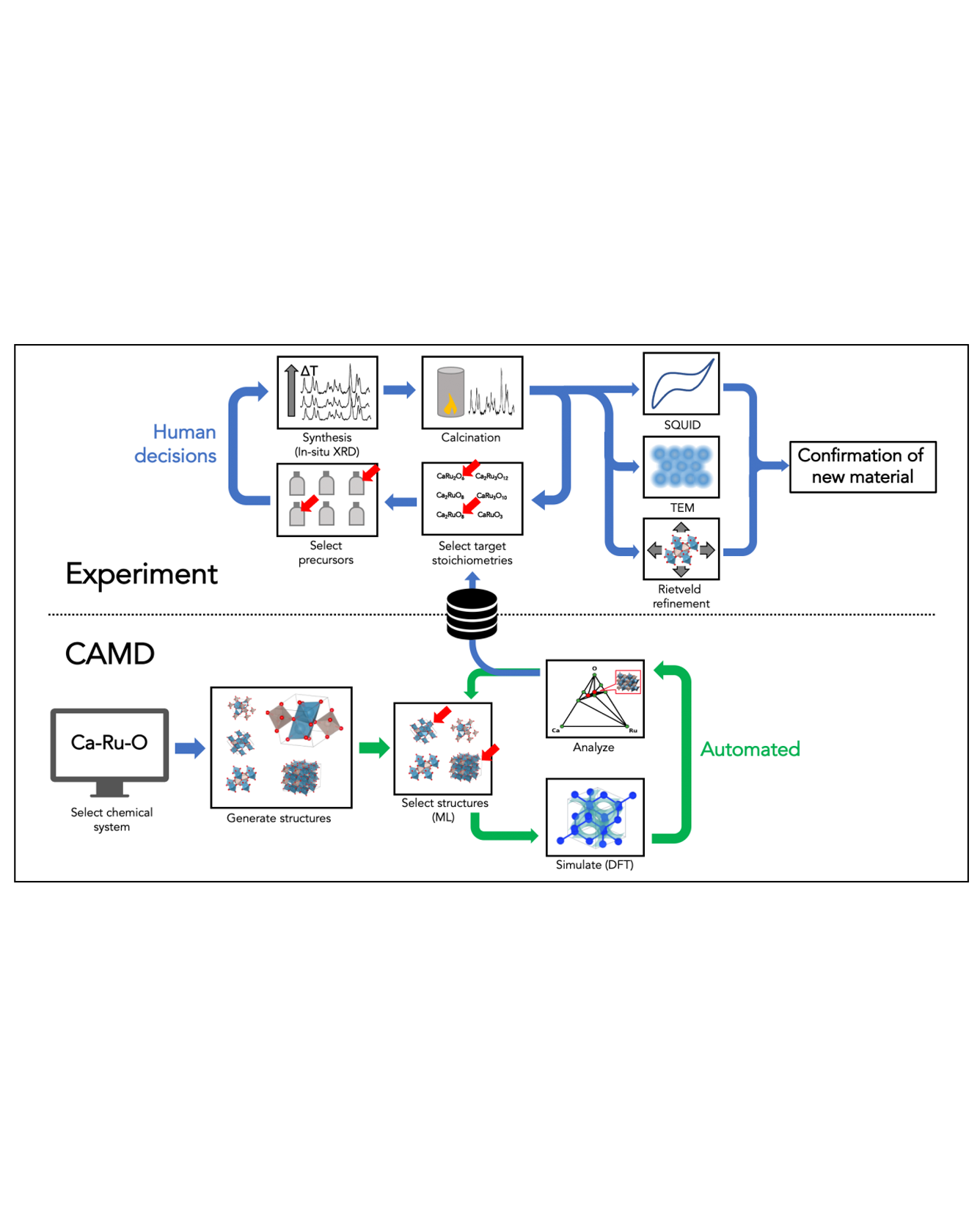
Exploratory synthesis has been the main generator of new inorganic materials for decades. However, our Edisonian and bias-prone processes of synthetic exploration alone are no longer sufficient in an age that demands rapid advances in materials development. In this work, we demonstrate one of the first end-to-end attempts towards systematic, computer-aided discovery and laboratory synthesis of inorganic crystalline compounds as a modern alternative to purely exploratory synthesis. Our approach initializes materials discovery campaigns by autonomously mapping the synthetic feasibility of a chemical system using density functional theory with AI feedback. Following expert-driven down-selection of newly generated phases, we use solid-state synthesis and in situ characterization via hot-stage X-ray diffraction in order to realize new ternary oxide phases experimentally. We applied this strategy in six ternary transition-metal oxide chemistries previously considered well-explored, one of which culminated in the discovery of two novel phases of calcium ruthenates. Detailed characterization using room temperature X-ray powder diffraction, 4D-STEM and SQUID measurements identify the structure, composition and confirm distinct properties, including distinct defect concentrations, of one of the new phases formed in our experimental campaigns. While the discovery of a new material guided by AI and DFT theory represents a milestone, our procedure and results also highlight a number of critical gaps in the process that can inform future efforts towards the improvement of AI-coupled methodologies, which are discussed. READ MORE