Featured Publications
All Publications

TRI Authors: Kuan-Hui Lee, Matthew Kliemann, Adrien Gaidon, Jie Li, Chao Fang, Sudeep Pillai, Wolfram Burgard
All Authors: KH Lee, M. Kliemann, A. Gaidon, J. Li, C. Fang, S. Pillai, W. Burgard
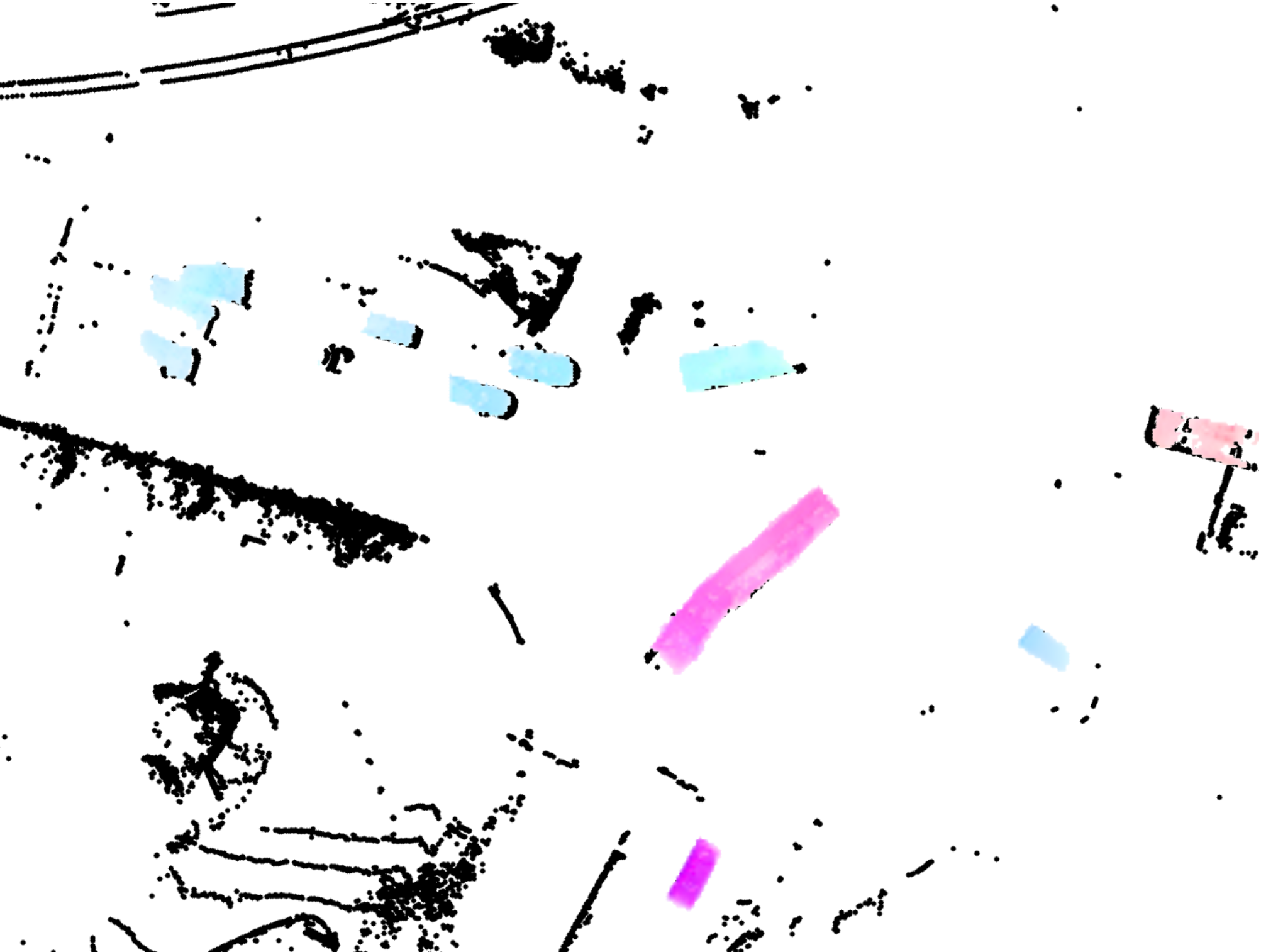
In autonomous driving, accurately estimating the state of surrounding obstacles is critical for safe and robust path planning. However, this perception task is difficult, particularly for generic obstacles/objects, due to appearance and occlusion changes. To tackle this problem, we propose an end-to-end deep learning framework for LIDAR-based flow estimation in bird's eye view (BeV). Our method takes consecutive point cloud pairs as input and produces a 2-D BeV flow grid describing the dynamic state of each cell. The experimental results show that the proposed method not only estimates 2-D BeV flow accurately but also improves tracking performance of both dynamic and static objects. Read More
Citation: Lee, Kuan-Hui, Matthew Kliemann, Adrien Gaidon, Jie Li, Chao Fang, Sudeep Pillai, and Wolfram Burgard. "PillarFlow: End-to-end Birds-eye-view Flow Estimation for Autonomous Driving." arXiv e-prints (2020) To appear in IROS, 2020
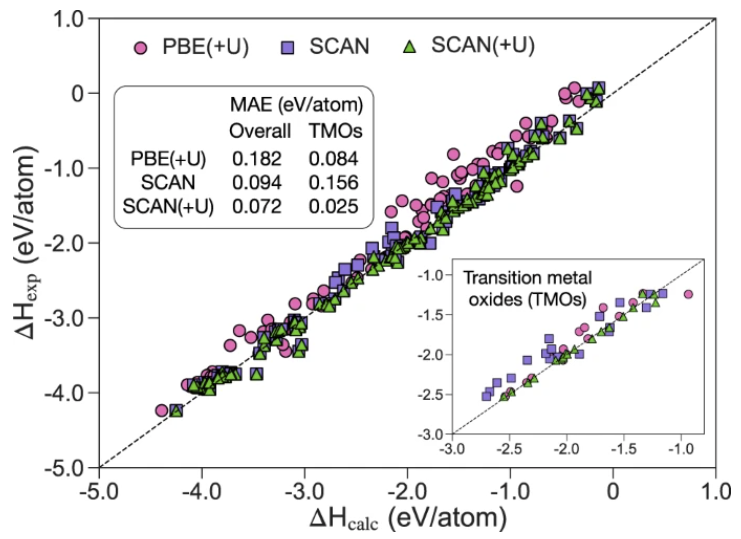
In this work, using the SCAN functional, we develop a simple method on top of the Materials Project (MP) Pourbaix diagram framework to accurately predict the aqueous stability of solids. We extensively evaluate the SCAN functional’s performance in computed formation enthalpies for a broad range of oxides and develop Hubbard U corrections for transition-metal oxides where the standard SCAN functional exhibits large deviations. The performance of the calculated Pourbaix diagram using the SCAN functional is validated with comparison to the experimental and the MP PBE Pourbaix diagrams for representative examples. Benchmarks indicate the SCAN Pourbaix diagram systematically outperforms the MP PBE in aqueous stability prediction. We further show applications of this method in accurately predicting the dissolution potentials of the state-of-the-art catalysts for oxygen evolution reaction in acidic media. READ MORE
TRI Authors: Adrien Gaidon, Rares Ambrus, Guy Rosman, Wolfram Burgard.
All Authors: Buhler, Andreas, Adrien Gaidon, Andrei Cramariuc, Rares Ambrus, Guy Rosman, Wolfram Burgard.
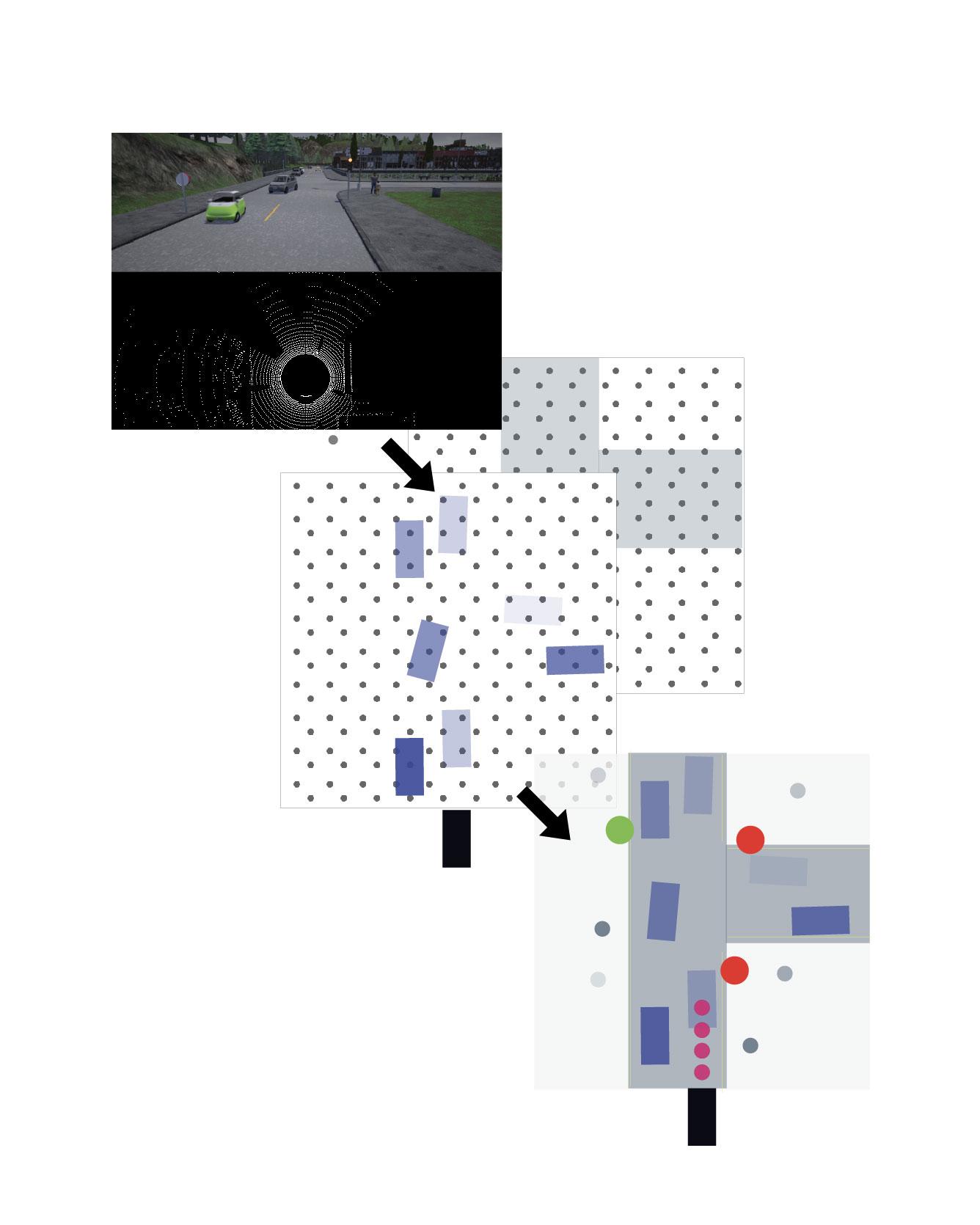
Safe autonomous driving requires robust detection of other traffic participants. However, robust does not mean perfect, and safe systems typically minimize missed detections at the expense of a higher false positive rate. This results in conservative and yet potentially dangerous behavior such as avoiding imaginary obstacles. In the context of behavioral cloning, perceptual errors at training time can lead to learning difficulties or wrong policies, as expert demonstrations might be inconsistent with the perceived world state. In this work, we propose a behavioral cloning approach that can safely leverage imperfect perception without being conservative. Our core contribution is a novel representation of perceptual uncertainty for learning to plan. We propose a new probabilistic birds-eye-view semantic grid to encode the noisy output of object perception systems. We then leverage expert demonstrations to learn an imitative driving policy using this probabilistic representation. Using the CARLA simulator, we show that our approach can safely overcome critical false positives that would otherwise lead to catastrophic failures or conservative behavior. Read More
Citation: Buhler, Andreas, Adrien Gaidon, Andrei Cramariuc, Rares Ambrus, Guy Rosman, Wolfram Burgard. "Driving Through Ghosts: Behavioral Cloning with False Positives." To appear in International Conference on Intelligent Robots and Systems (IROS) 2020.
TRI Authors: Kuan-Hui Lee, Adrien Gaidon All Authors: K. Mangalam, H. Girase, S. Agarwal, K-H. Lee, E. Adeli, J. Malik, A. Gaidon
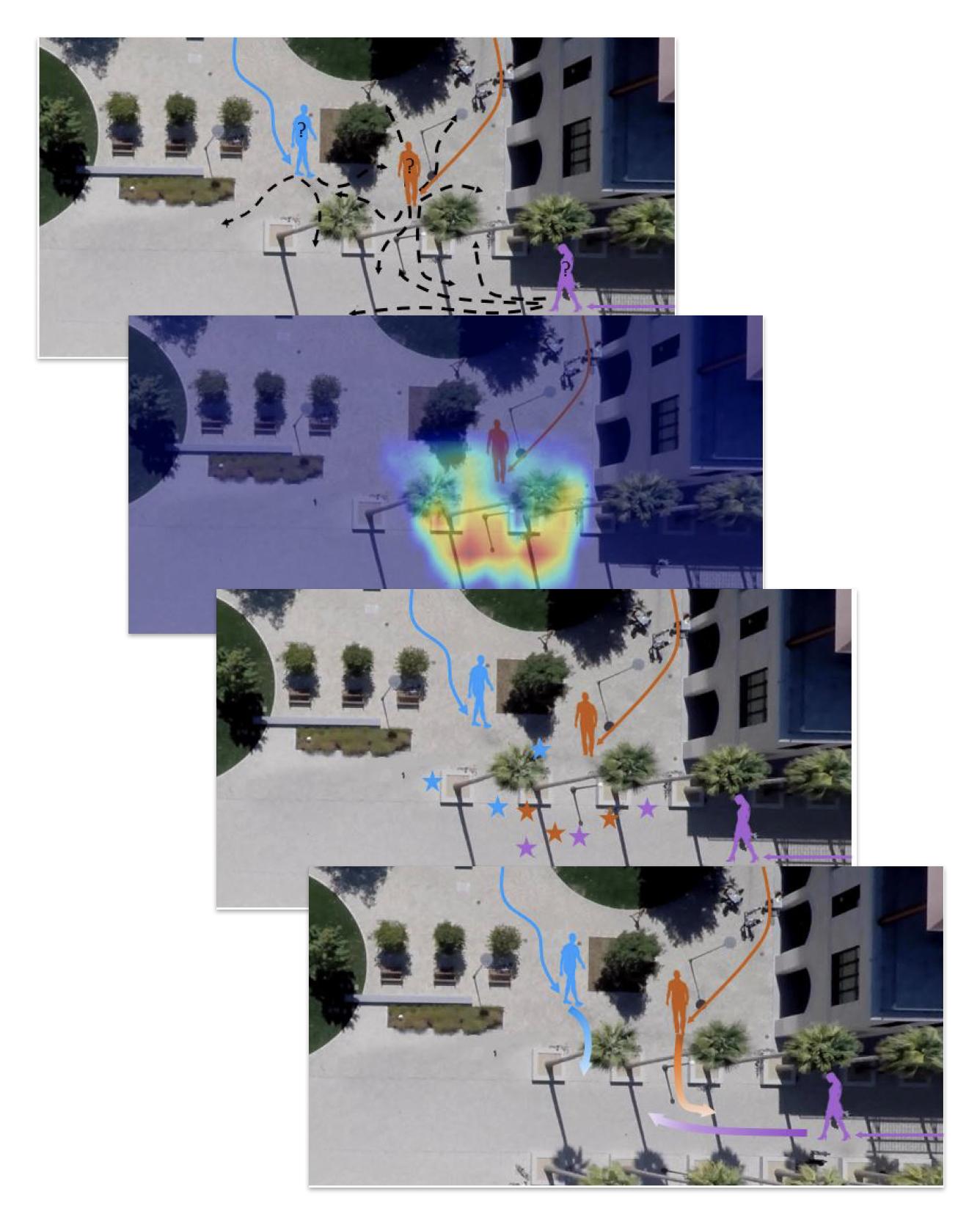
Human trajectory forecasting with multiple socially interacting agents is of critical importance for autonomous navigation in human environments, e.g., for self-driving cars and social robots. In this work, we present Predicted Endpoint Conditioned Network (PECNet) for flexible human trajectory prediction. PECNet infers distant trajectory endpoints to assist in long-range multi-modal trajectory prediction. A novel non-local social pooling layer enables PECNet to infer diverse yet socially compliant trajectories. Additionally, we present a simple "truncation-trick" for improving few-shot multi-modal trajectory prediction performance. We show that PECNet improves state-of-the-art performance on the Stanford Drone trajectory prediction benchmark by ~20.9% and on the ETH/UCY benchmark by ~40.8%. Read more
Citation: Mangalam, Karttikeya, Harshayu Girase, Shreyas Agarwal, Kuan-Hui Lee, Ehsan Adeli, Jitendra Malik, and Adrien Gaidon. "It Is Not the Journey but the Destination: Endpoint Conditioned Trajectory Prediction." ECCV, 2020 arXiv preprint arXiv:2004.02025 (2020).
TRI Authors: Nikos Arechiga
All Authors: Karen Leung, Nikos Arechiga, Marco Pavone
This paper presents a technique, named stlcg, to compute the quantitative semantics of Signal Temporal Logic (STL) formulas using computation graphs. This provides a platform which enables the incorporation of logic-based specifications into robotics problems that benefit from gradient-based solutions. Specifically, STL is a powerful and expressive formal language that can specify spatial and temporal properties of signals generated by both continuous and hybrid systems. The quantitative semantics of STL provide a robustness metric, i.e., how much a signal satisfies or violates an STL specification. In this work we devise a systematic methodology for translating STL robustness formulas into computation graphs. With this representation, and by leveraging off-the-shelf auto-differentiation tools, we are able to back-propagate through STL robustness formulas and hence enable a natural and easy-to-use integration with many gradient-based approaches used in robotics. We demonstrate, through examples stemming from various robotics applications, that stlcg is versatile, computationally efficient, and capable of injecting human-domain knowledge into the problem formulation. Read More
Citation: Leung, Karen, Nikos Arechiga, and Marco Pavone. "Back-propagation through STL Specifications: Infusing Logical Structure into Gradient-Based Methods." In WAFR 2020.
TRI Authors: Allan Raventos, Adrien Gaidon, Guy Rosman
All Authors: Cao, Zhangjie, Erdem Biyik, Woodrow Wang, Allan Raventos, Adrien Gaidon, Guy Rosman, and Dorsa Sadigh
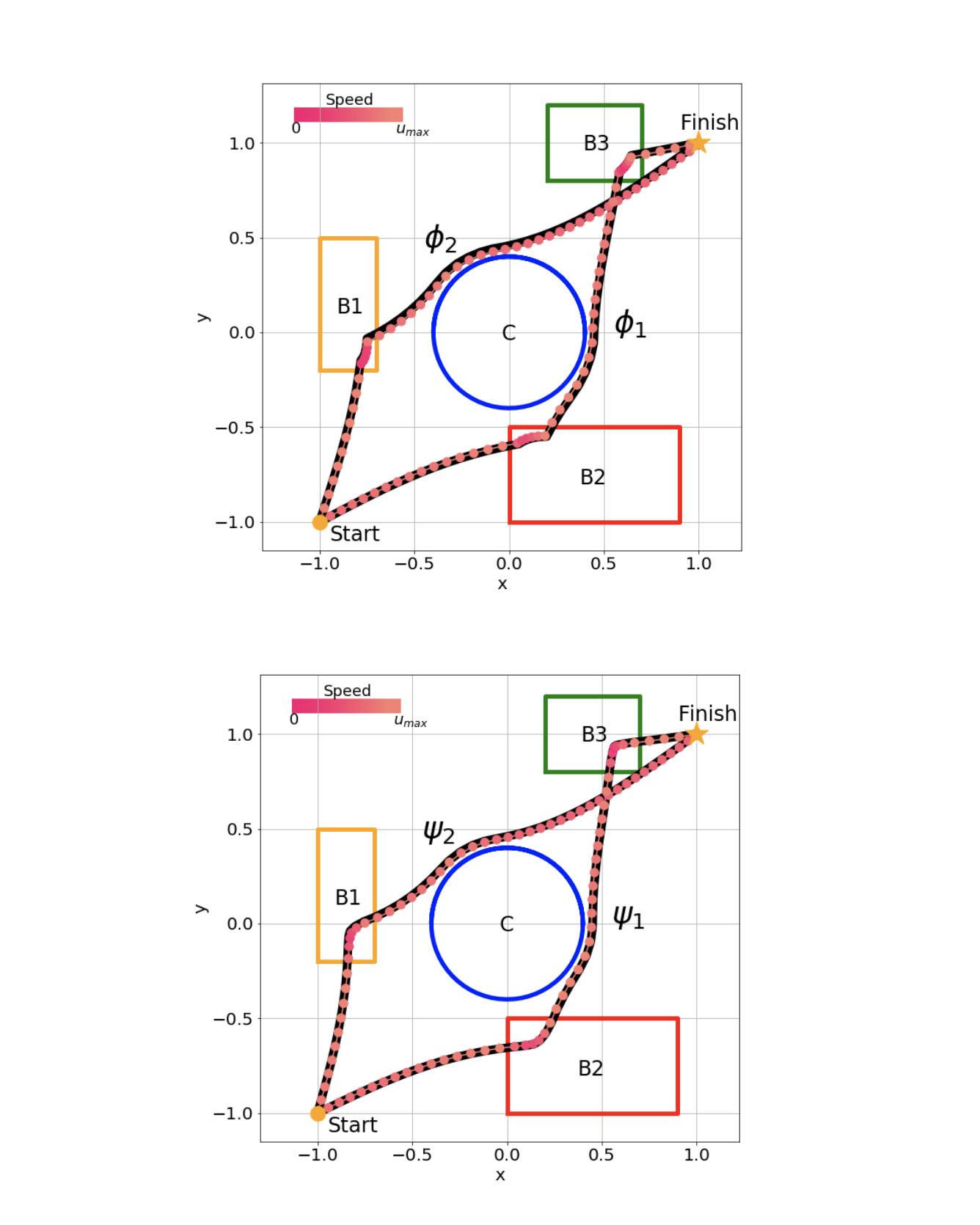
Autonomous driving has achieved significant progress in recent years, but autonomous cars are still unable to tackle high-risk situations where a potential accident is likely. In such near-accident scenarios, even a minor change in the vehicle's actions may result in drastically different consequences. To avoid unsafe actions in near-accident scenarios, we need to fully explore the environment. However, reinforcement learning (RL) and imitation learning (IL), two widely-used policy learning methods, cannot model rapid phase transitions and are not scalable to fully cover all the states. To address driving in near-accident scenarios, we propose a hierarchical reinforcement and imitation learning (H-ReIL) approach that consists of low-level policies learned by IL for discrete driving modes, and a high-level policy learned by RL that switches between different driving modes. Our approach exploits the advantages of both IL and RL by integrating them into a unified learning framework. Experimental results and user studies suggest our approach can achieve higher efficiency and safety compared to other methods. Analyses of the policies demonstrate our high-level policy appropriately switches between different low-level policies in near-accident driving situations. Read More
Citation: Cao, Zhangjie, Erdem Biyik, Woodrow Wang, Allan Raventos, Adrien Gaidon, Guy Rosman, and Dorsa Sadigh, "Reinforcement Learning based Control of Imitative Policies for Near-Accident Driving," Robotics: Science and Systems (RSS) (2020).
TRI Authors: DeCastro, Jonathan*, Nikos Arechiga
All Authors: DeCastro, Jonathan*, Karen Yan Ming Leung, Nikos Arechiga, Marco Pavone DeCastro, Jonathan*, Karen Yan Ming Leung, Nikos Arechiga, Marco Pavone
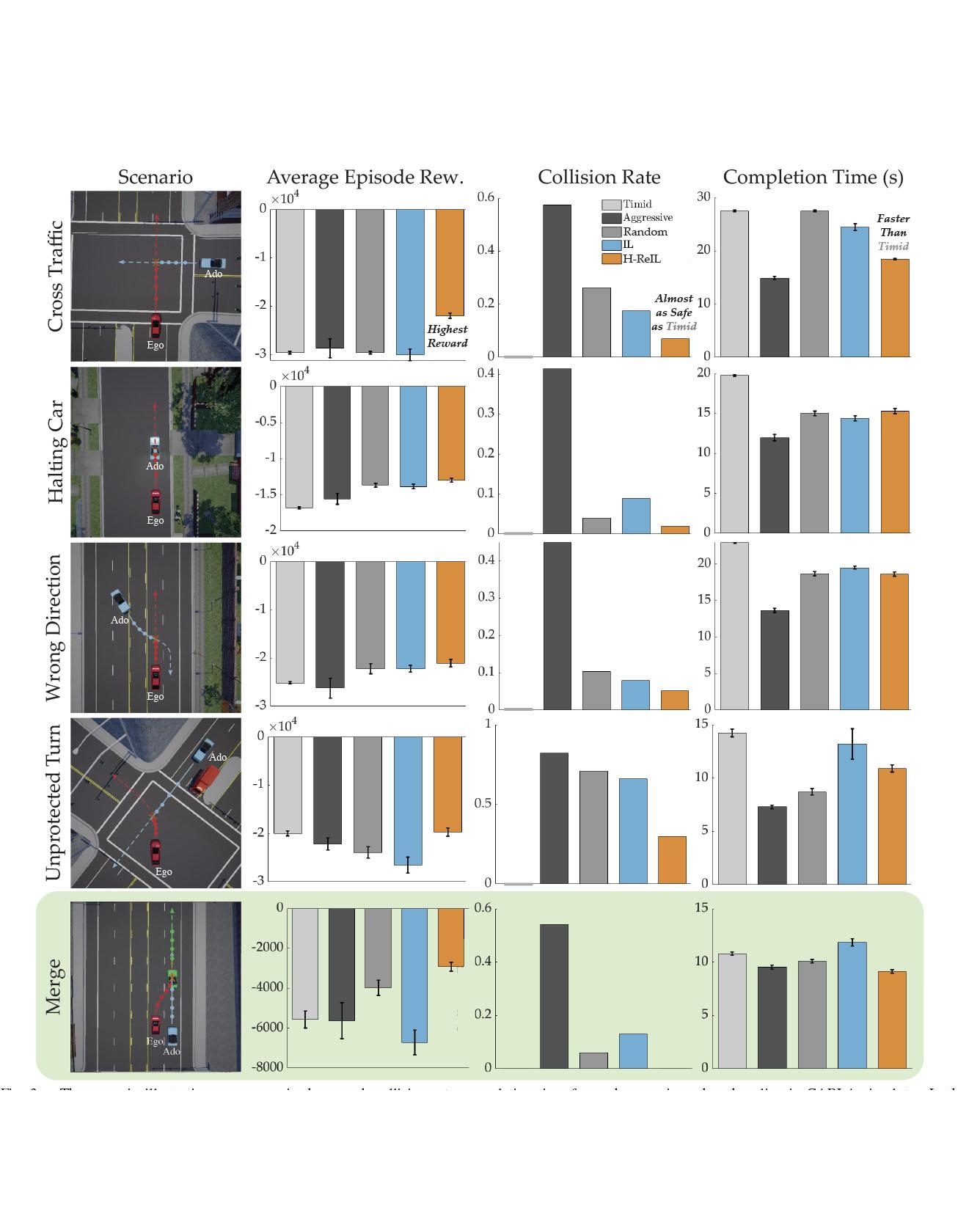
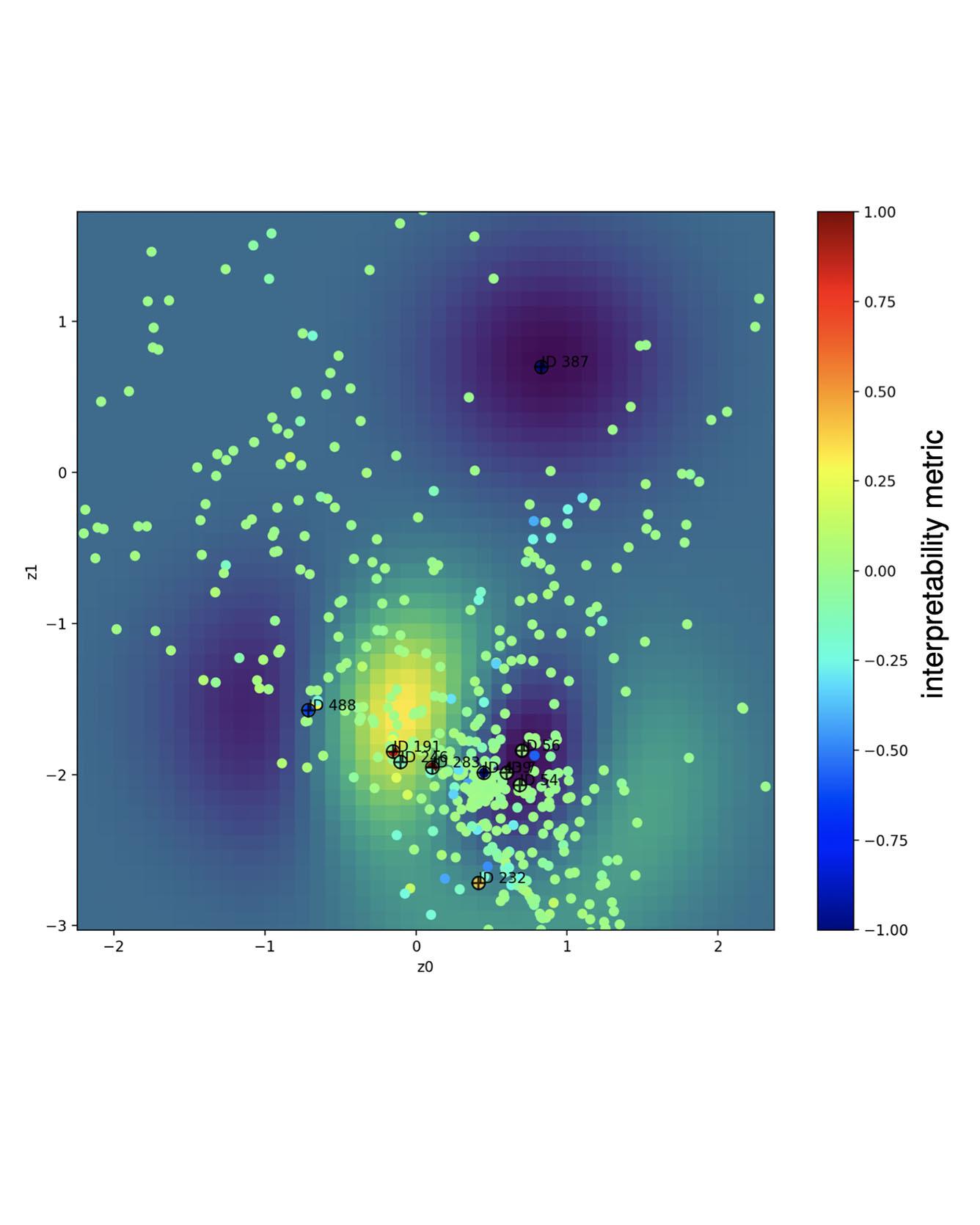
We present an approach to interpret parameterized policies through the lens of Signal Temporal Logic (STL). By providing a formally-specified description of desired behaviors we want the policy to produce, we can identify clusters in the parameter space of the policy that can produce the desired behavior. In the context of agent simulation for autonomous driving, this enables an automated way to target and produce challenging scenarios to stress-test the autonomous driving stack and hence accelerate validation and testing. Our approach leverages parametric signal temporal logic (pSTL) formulas to construct an interpretable view on the modeling parameters via a sequence of variational inference problems; one to solve for the pSTL parameters and another to construct a new parameterization satisfying the specification. We perform clustering on the new parameter space using a finite set of examples, either real or simulated, and combine computational graph learning and normalizing flows to form a relationship between these parameters and pSTL formulas either derived by hand or inferred from data. We illustrate the utility of our approach to model selection for validation of the safety properties of an autonomous driving system, using a learned generative model of the surrounding agents. Read More
Citation: DeCastro, Jonathan*, Karen Yan Ming Leung, Nikos Arechiga, Marco Pavone. "Interpretable Policies from Formally-Specified Temporal Properties." 2020 IEEE 23rd International Conference on Intelligent Transportation Systems (ITSC).
TRI Author: Vishnu Desaraju
All Authors: Weng, Yifan, Ruikun Luo, Paramsothy Jayakumar, Mark J. Brudnak, Victor Paul, Vishnu R. Desaraju, Jeffrey L. Stein, X. Jessie Yang, Tulga Ersal
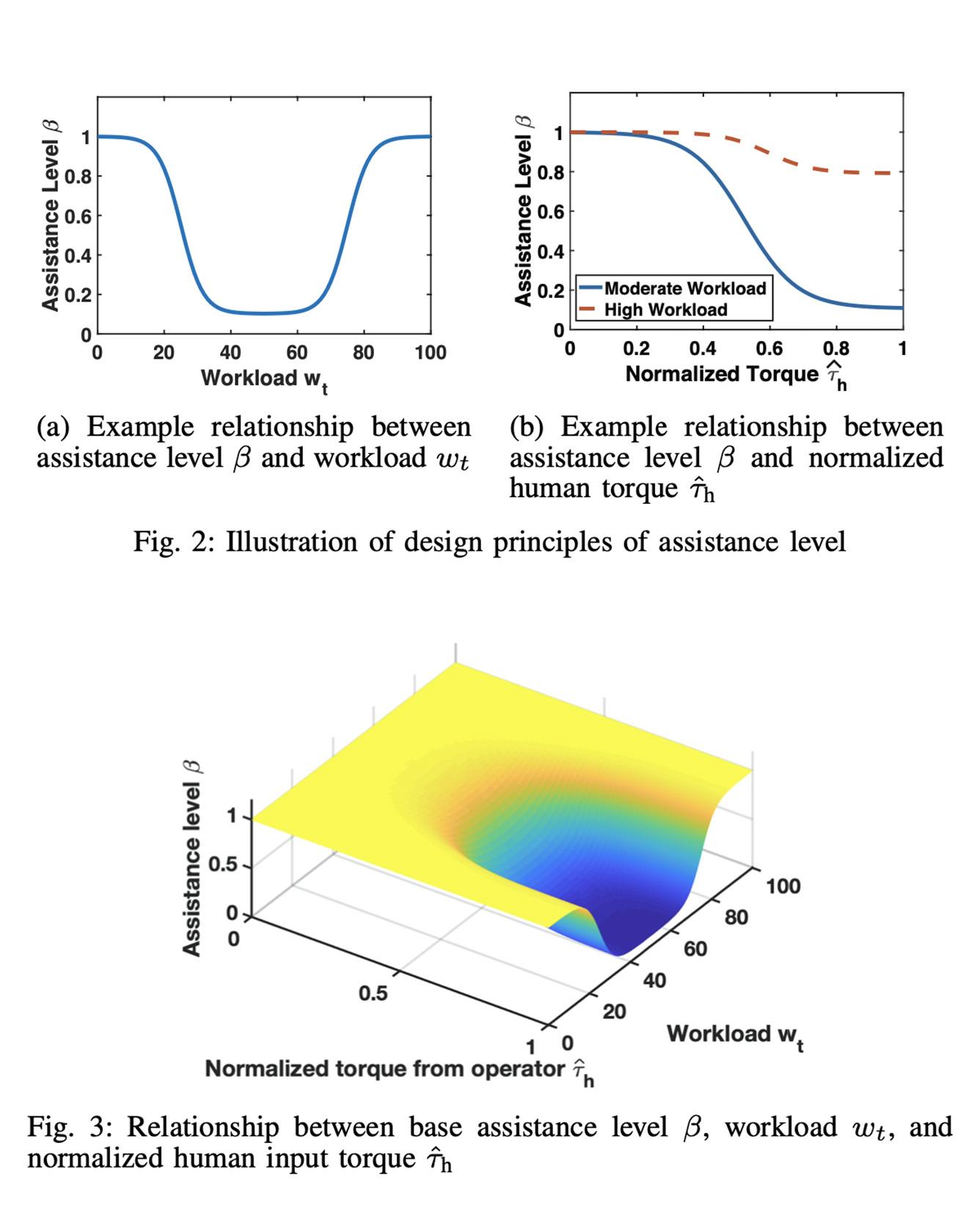
Haptic shared control of an autonomy-enabled vehicle is used to manage the control authority allocation between a human and autonomy smoothly. Existing haptic shared control schemes, however, do not take the workload condition of human into account. To fill this research gap, this study develops a novel haptic shared control scheme that adapts to a human operator's workload in a semi-autonomous driving scenario. Human-in-the-loop experiments with 8 participants are reported to evaluate the new scheme. In the experiment, a human operator and an autonomous navigation module shared the steering control of a simulated teleoperated vehicle in a path tracking task while the speed of the vehicle is controlled by autonomy. High and low screen refresh rates were used to create moderate and high workload cases, respectively. Results indicate that adaptive haptic control leads to less driver control effort without sacrificing the path tracking performance when compared with the non-adaptive case. Read More
Citation: Weng, Yifan, Ruikun Luo, Paramsothy Jayakumar, Mark J. Brudnak, Victor Paul, Vishnu R. Desaraju, Jeffrey L. Stein, X. Jessie Yang, Tulga Ersal, "Design and Evaluation of a Workload-Adaptive Haptic Shared Control Framework for Semi-Autonomous Driving," American Control Conference, Denver, CO, USA, 2020.
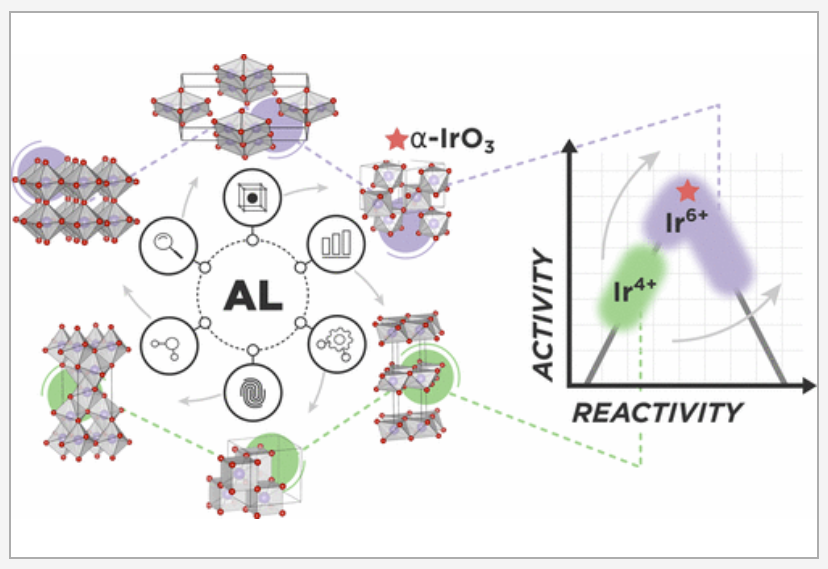
The discovery of high-performing and stable materials for sustainable energy applications is a pressing goal in catalysis and materials science. Understanding the relationship between a material’s structure and functionality is an important step in the process, such that viable polymorphs for a given chemical composition need to be identified. Machine-learning-based surrogate models have the potential to accelerate the search for polymorphs that target specific applications. Herein, we report a readily generalizable active-learning (AL) accelerated algorithm for identification of electrochemically stable iridium oxide polymorphs of IrO2 and IrO3. The search is coupled to a subsequent analysis of the electrochemical stability of the discovered structures for the acidic oxygen evolution reaction (OER). Structural candidates are generated by identifying all 956 structurally unique AB2 and AB3 prototypes in existing materials databases (more than 38000). Next, using an active learning approach, we find 196 IrO2 polymorphs within the thermodynamic amorphous synthesizability limit and reaffirm the global stability of the rutile structure. We find 75 synthesizable IrO3 polymorphs and report a previously unknown FeF3-type structure as the most stable, termed α-IrO3. To test the algorithms performance, we compare to a random search of the candidate space and report at least a 2-fold increase in the rate of discovery. Additionally, the AL approach can acquire the most stable polymorphs of IrO2 and IrO3 with fewer than 30 density functional theory optimizations. Analysis of the structural properties of the discovered polymorphs reveals that octahedral local coordination environments are preferred for nearly all low-energy structures. Subsequent Pourbaix Ir–H2O analysis shows that α-IrO3 is the globally stable solid phase under acidic OER conditions and supersedes the stability of rutile IrO2. Calculation of theoretical OER surface activities reveal ideal weaker binding of the OER intermediates on α-IrO3 than on any other considered iridium oxide. We emphasize that the proposed AL algorithm can be easily generalized to search for any binary metal oxide structure with a defined stoichiometry. READ MORE
TRI Authors: Muratahan Aykol, Patrick Herring, & Abraham Anapolsky All Authors: Muratahan Aykol, Patrick Herring, & Abraham Anapolsky
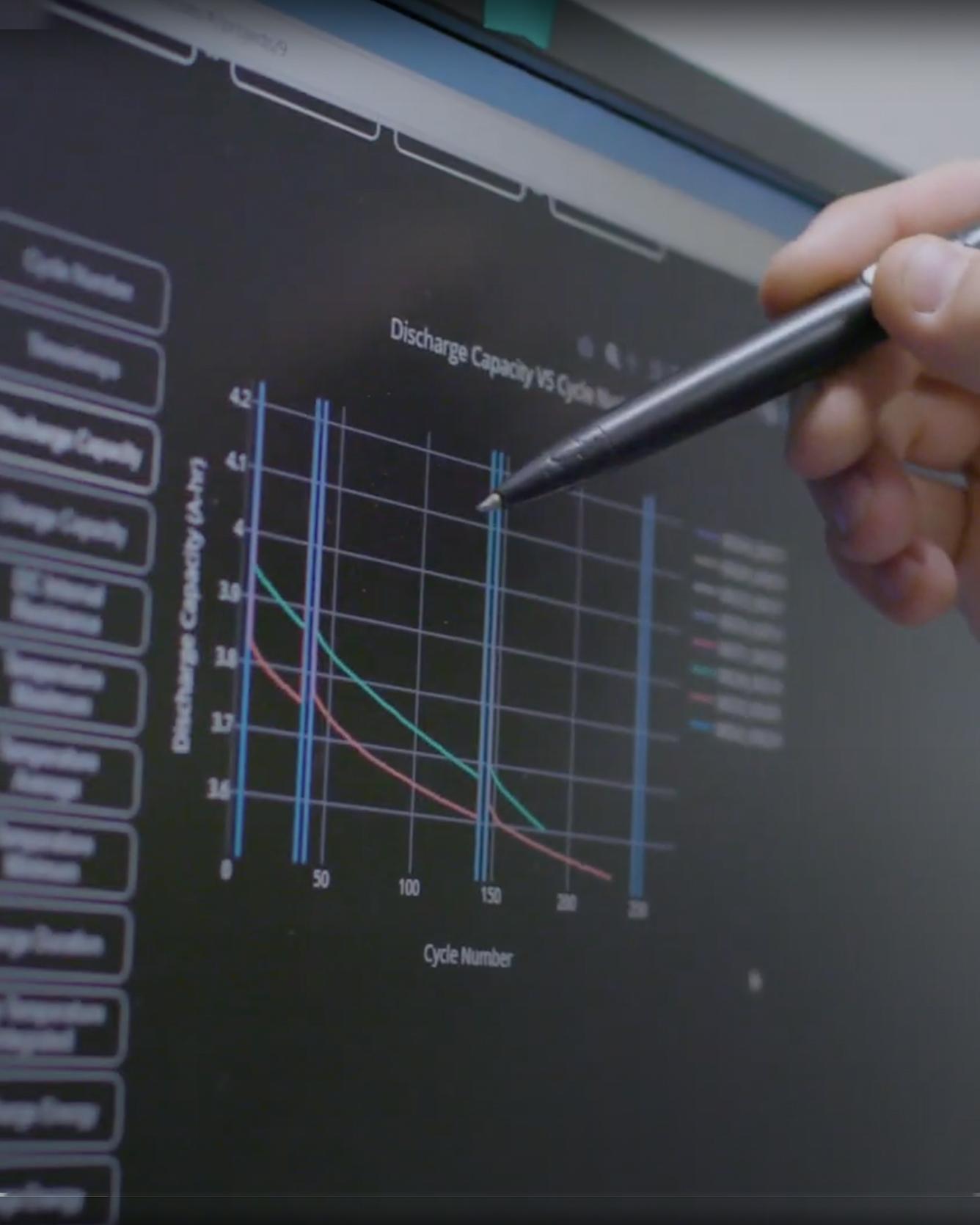
Batteries, as complex materials systems, pose unique challenges for the application of machine learning. Although a shift to data-driven, machine learning-based battery research has started, new initiatives in academia and industry are needed to fully exploit its potential. Read more
Citation: Aykol, Muratahan, Patrick Herring, Abraham Anapolsky. “Machine learning for continuous innovation in battery technologies.” Nature Reviews Materials (2020). https://doi.org/10.1038/s41578-020-0216-y