Featured Publications
All Publications

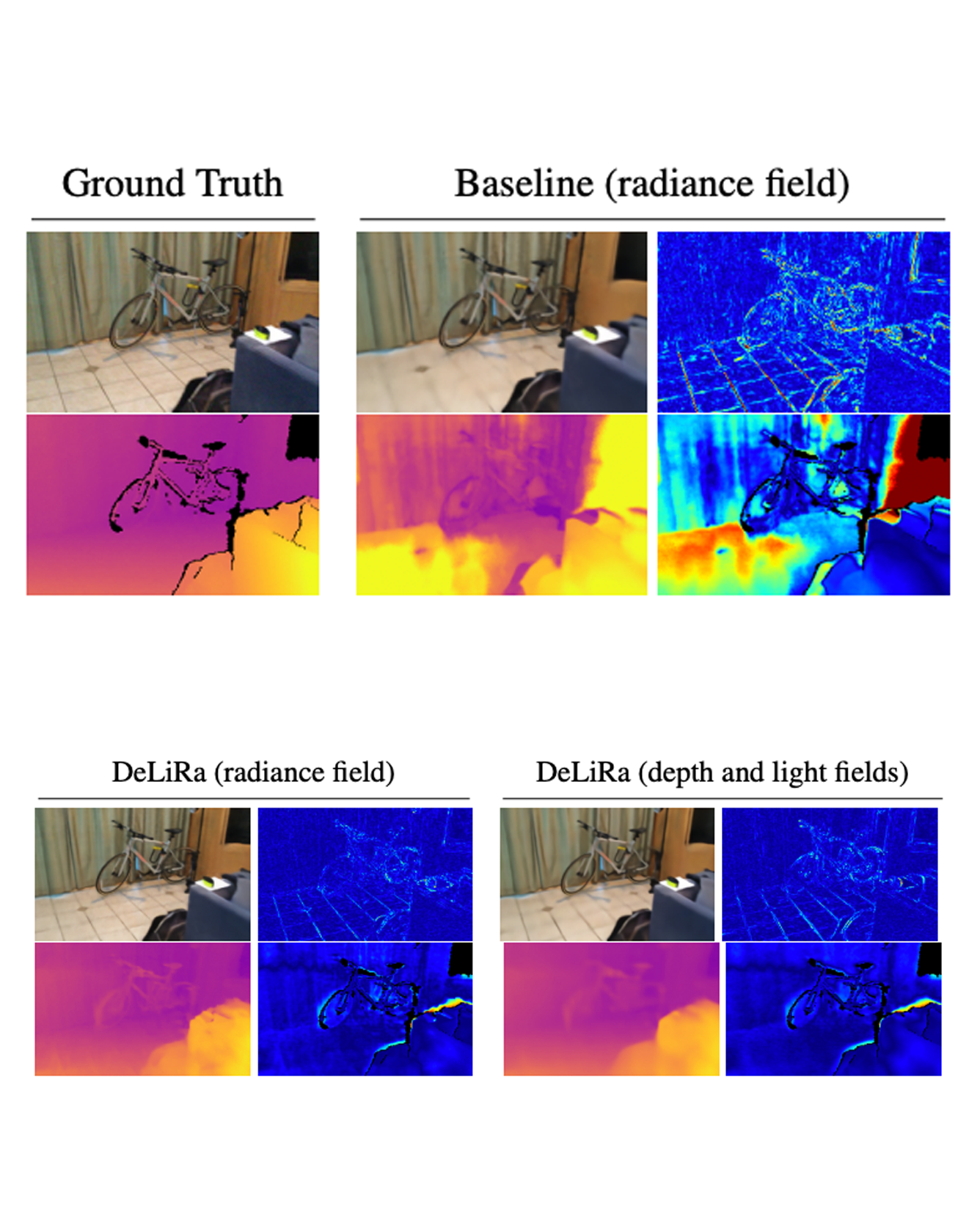
Differentiable volumetric rendering is a powerful paradigm for 3D reconstruction and novel view synthesis. However, standard volume rendering approaches struggle with degenerate geometries in the case of limited viewpoint diversity, a common scenario in robotics applications. In this work, we propose to use the multi-view photometric objective from the self-supervised depth estimation literature as a geometric regularizer for volumetric rendering, significantly improving novel view synthesis without requiring additional information. Building upon this insight, we explore the explicit modeling of scene geometry using a generalist Transformer, jointly learning a radiance field as well as depth and light fields with a set of shared latent codes. We demonstrate that sharing geometric information across tasks is mutually beneficial, leading to improvements over single-task learning without an increase in network complexity. Our DeLiRa architecture achieves state-of-the-art results on the ScanNet benchmark, enabling high quality volumetric rendering as well as real-time novel view and depth synthesis in the limited viewpoint diversity setting. READ MORE
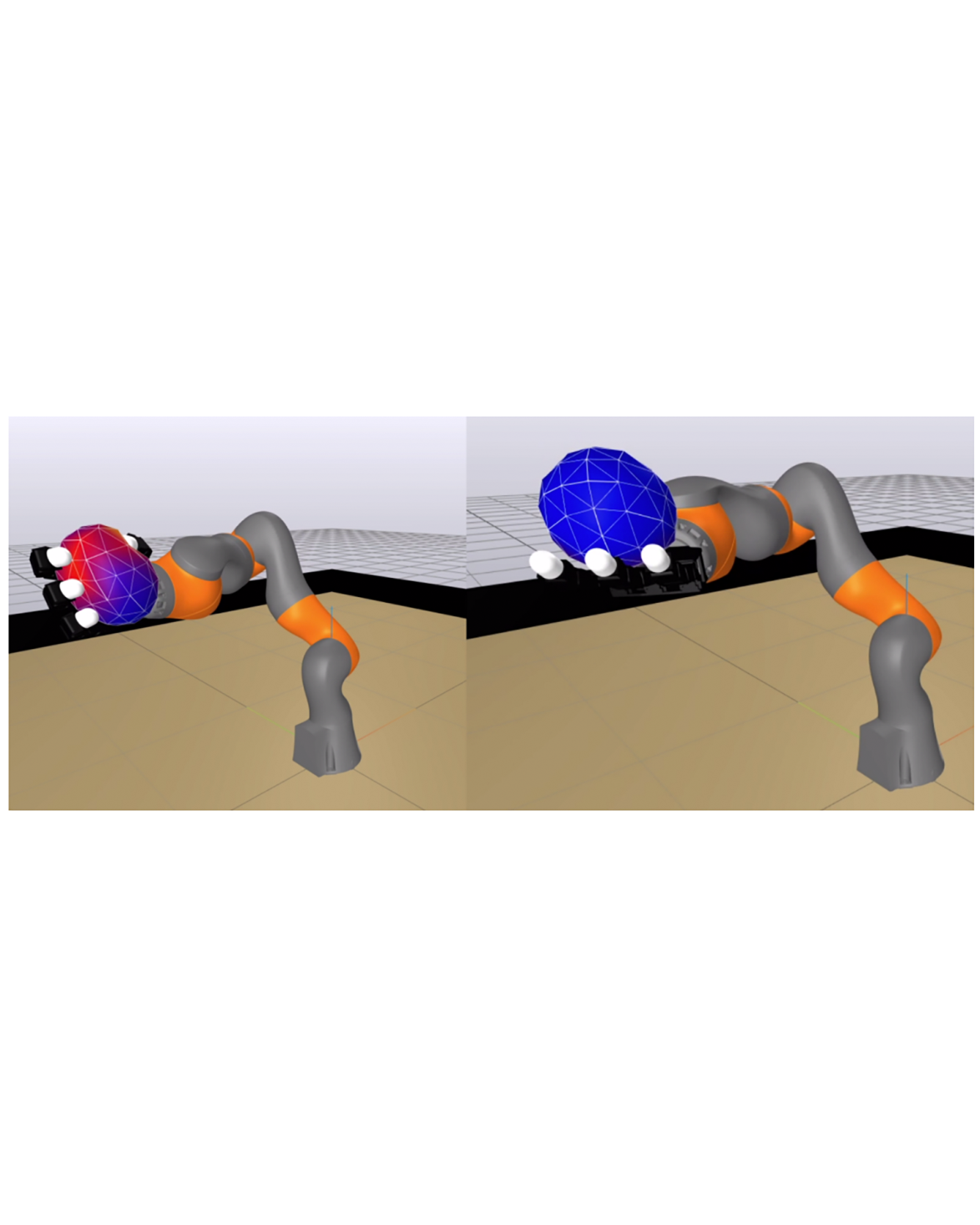
We present a novel convex formulation that models rigid and deformable bodies coupled through frictional contact. The formulation incorporates a new corotational material model with positive semi-definite Hessian, which allows us to extend our previous work on the convex formulation of compliant contact to model large body deformations. We rigorously characterize our approximations and present implementation details. With proven global convergence, effective warm-start, the ability to take large time steps, and specialized sparse algebra, our method runs robustly at interactive rates. We provide validation results and performance metrics on challenging simulations relevant to robotics applications. Our method is made available in the opensource robotics toolkit Drake. READ MORE
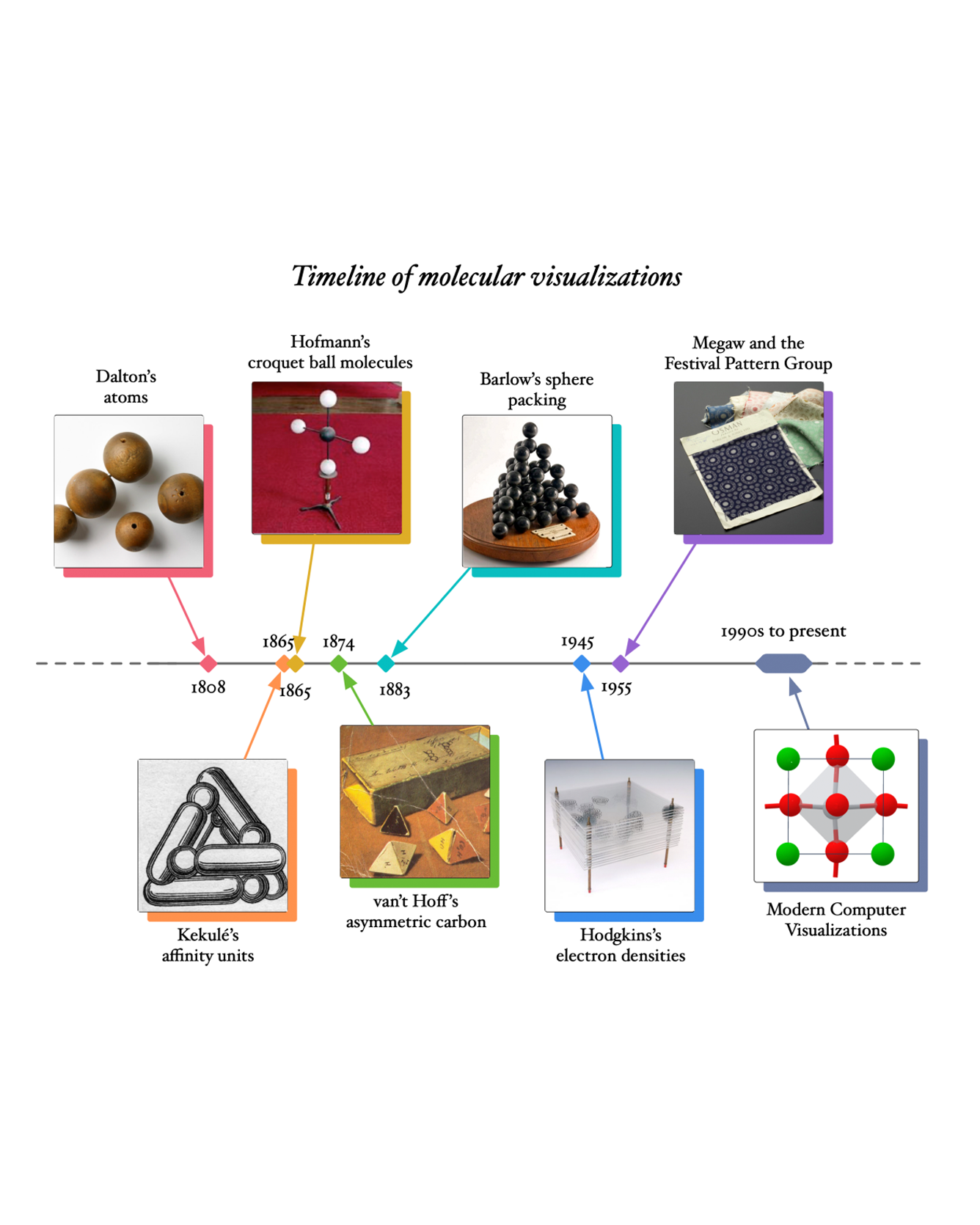
Crystal Toolkit is an open source tool for viewing, analyzing and transforming crystal structures, molecules and other common forms of materials science data in an interactive way. It is intended to help beginners rapidly develop web-based apps to explore their own data or to help developers make their research algorithms accessible to a broader audience of scientists who might not have any training in computer programming and who would benefit from graphical interfaces. Crystal Toolkit comes with a library of ready-made components that can be assembled to make complex web apps: simulation of powder and single crystalline diffraction patterns, convex hull phase diagrams, Pourbaix diagrams, electronic band structures, analysis of local chemical environments and symmetry, and more. Crystal Toolkit is now powering the Materials Project website frontend, providing user-friendly access to its database of computed materials properties. In the future, it is hoped that new visualizations might be prototyped using Crystal Toolkit to help explore new forms of data being generated by the materials science community, and that this in turn can help new materials scientists develop intuition for how their data behaves and the insights that might be found within. Crystal Toolkit will remain a work-in-progress and is open to contributions from the community. READ MORE
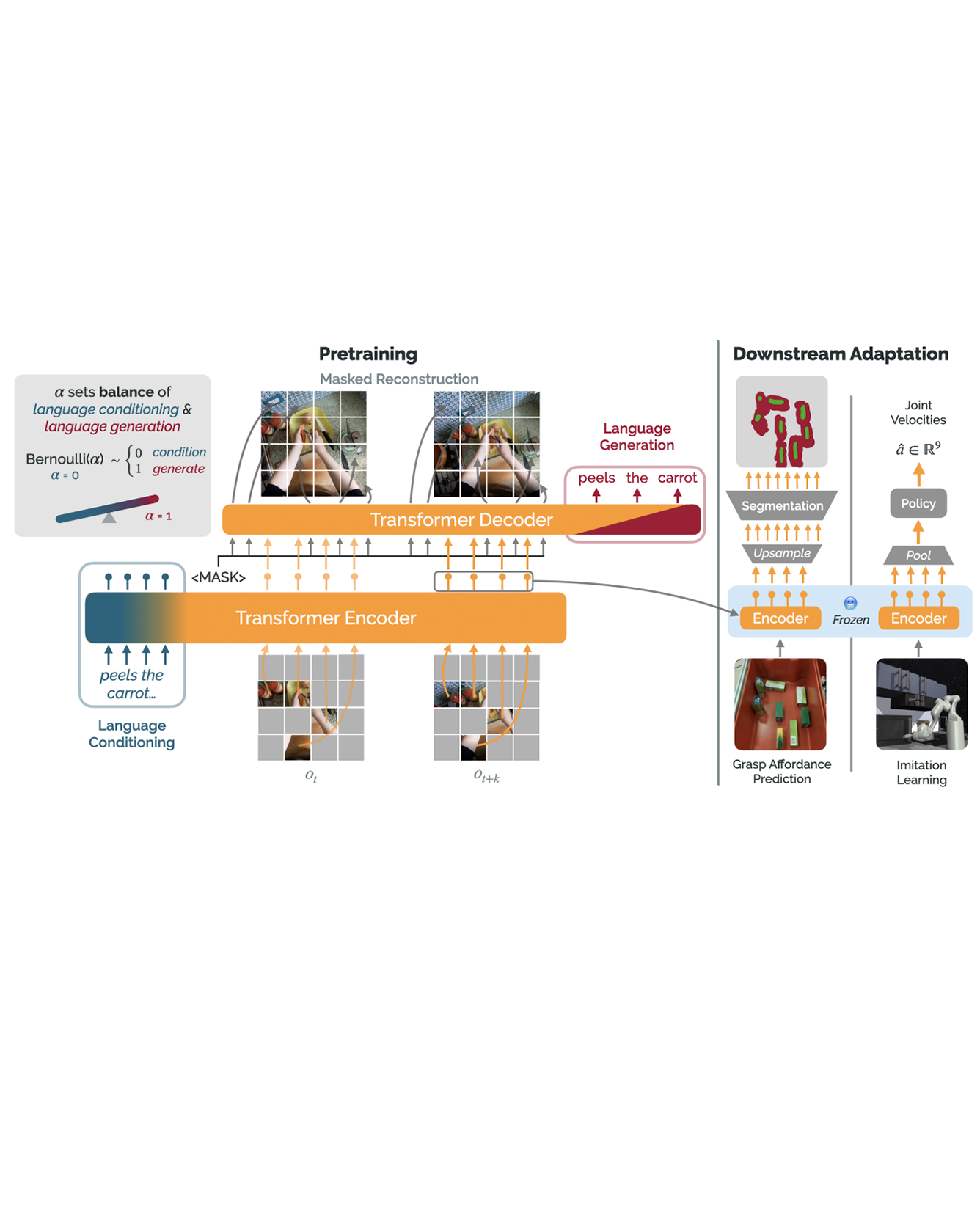
Recent work in visual representation learning for robotics demonstrates the viability of learning from large video datasets of humans performing everyday tasks. Leveraging methods such as masked autoencoding and contrastive learning, these representations exhibit strong transfer to policy learning for visuomotor control. But, robot learning encompasses a diverse set of problems beyond control including grasp affordance prediction, language-conditioned imitation learning, and intent scoring for human-robot collaboration, amongst others. First, we demonstrate that existing representations yield inconsistent results across these tasks: masked autoencoding approaches pick up on low-level spatial features at the cost of high-level semantics, while contrastive learning approaches capture the opposite. We then introduce Voltron, a framework for language-driven representation learning from human videos and associated captions. Voltron trades off language-conditioned visual reconstruction to learn low-level visual patterns, and visually-grounded language generation to encode high-level semantics. We also construct a new evaluation suite spanning five distinct robot learning problems – a unified platform for holistically evaluating visual representations for robotics. Through comprehensive, controlled experiments across all five problems, we find that Voltron’s language-driven representations outperform the prior state-of-the-art, especially on targeted problems requiring higher-level features. READ MORE
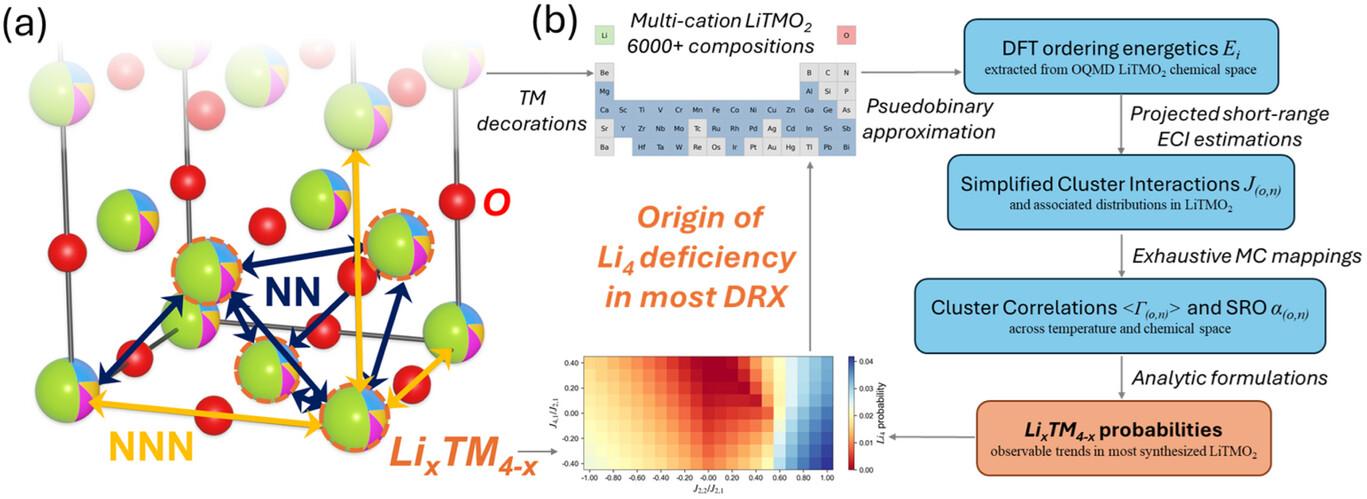
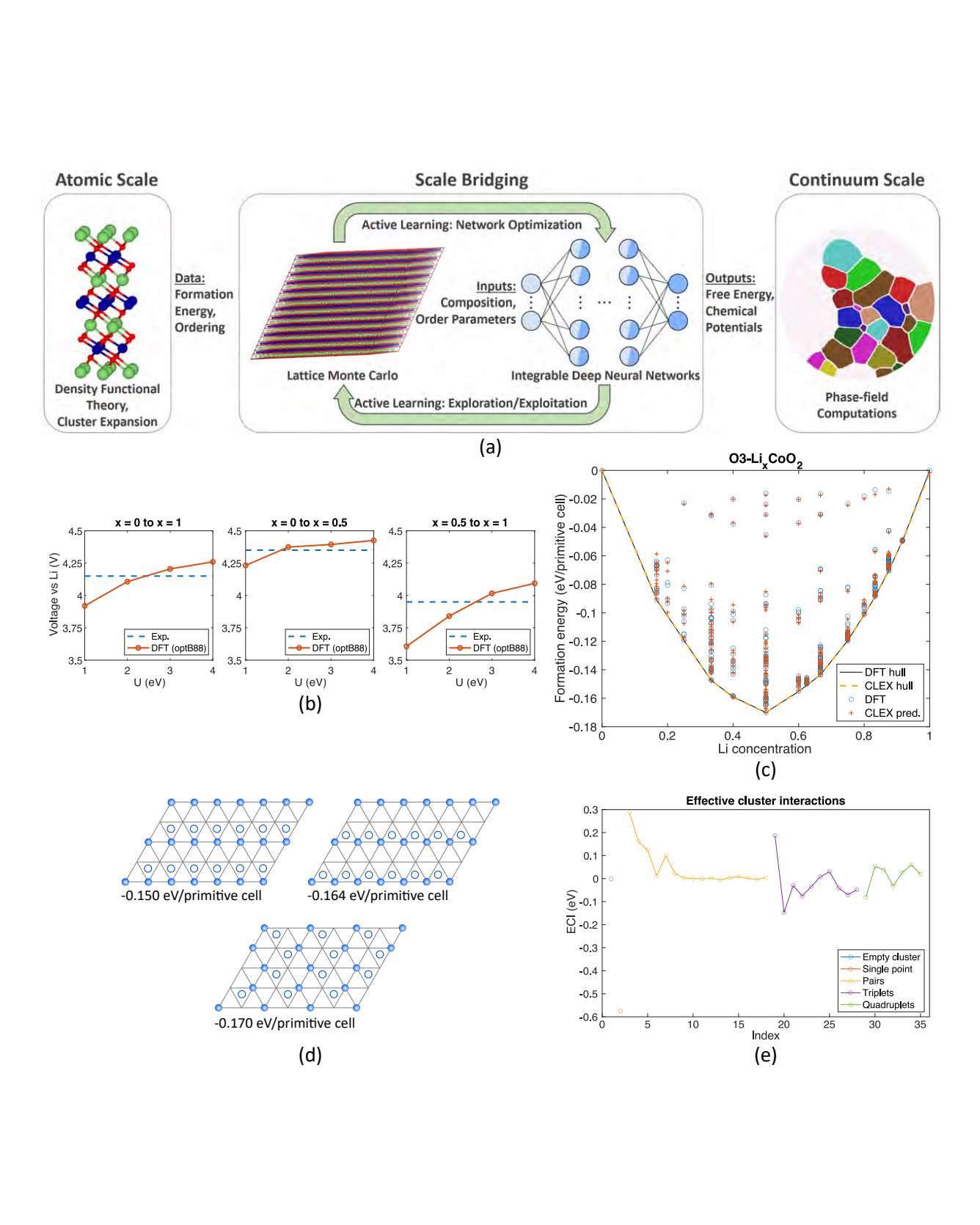
LixTMO2 (TM=Ni, Co, Mn) forms an important family of cathode materials for Li-ion batteries, whose performance is strongly governed by Li composition-dependent crystal structure and phase stability. Here, we use LixCoO2 (LCO) as a model system to benchmark a machine learning-enabled framework for bridging scales in materials physics. We focus on two scales: (a) assemblies of thousands of atoms described by density functional theory-informed statistical mechanics, and (b) continuum phase field models to study the dynamics of order-disorder transitions in LCO. Central to the scale bridging is the rigorous, quantitatively accurate, representation of the free energy density and chemical potentials of this material system by coarsegraining formation energies for specific atomic configurations. We develop active learning workflows to train recently developed integrable deep neural networks for such high-dimensional free energy density and chemical potential functions. The resulting, first principles-informed, machine learning-enabled, phase-field computations allow us to study LCO cathodes' phase evolution in terms of temperature, morphology, charge cycling and particle size. READ MORE
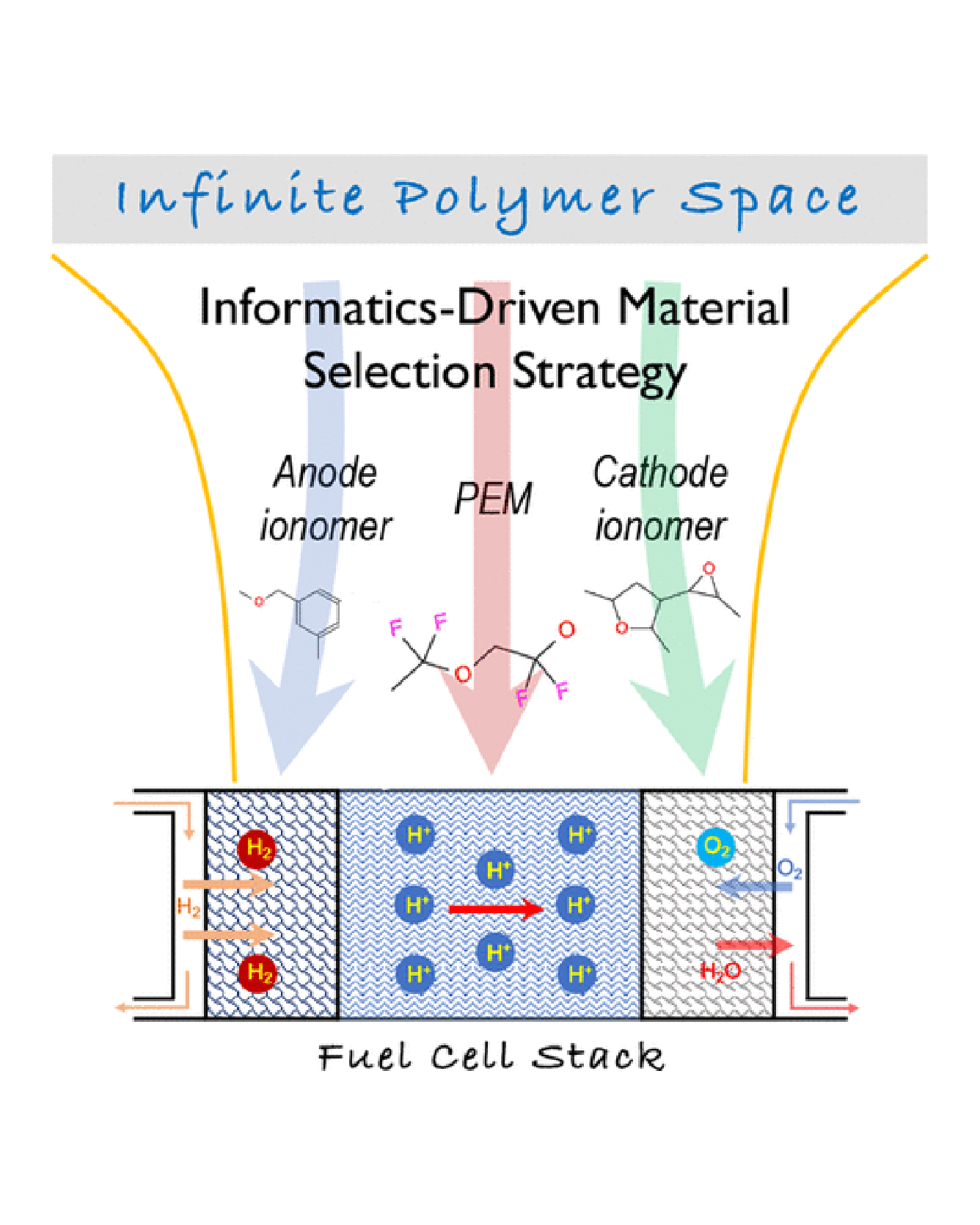
Modern fuel cell technologies use Nafion as the material of choice for the proton exchange membrane (PEM) and as the binding material (ionomer) used to assemble the catalyst layers of the anode and cathode. These applications demand high proton conductivity as well as other requirements. For example, PEM is expected to block electrons, oxygen, and hydrogen from penetrating and diffusing while the anode/cathode ionomer should allow hydrogen/oxygen to move easily, so that they can reach the catalyst nanoparticles. Given some of the well-known limits of Nafion, such as low glass-transition temperature, the community is in the midst of an active search for Nafion replacements. In this work, we present an informatics-based scheme to search large polymer chemical spaces, which includes establishing a list of properties needed for the targeted applications, developing predictive machine-learning models for these properties, defining a search space, and using the developed models to screen the search space. Using the scheme, we have identified 60 new polymer candidates for PEM, anode ionomer, and cathode ionomer that we hope will be advanced to the next step, i.e., validating the designs through synthesis and testing. The proposed informatics scheme is generic, and it can be used to select polymers for multiple applications in the future. READ MORE
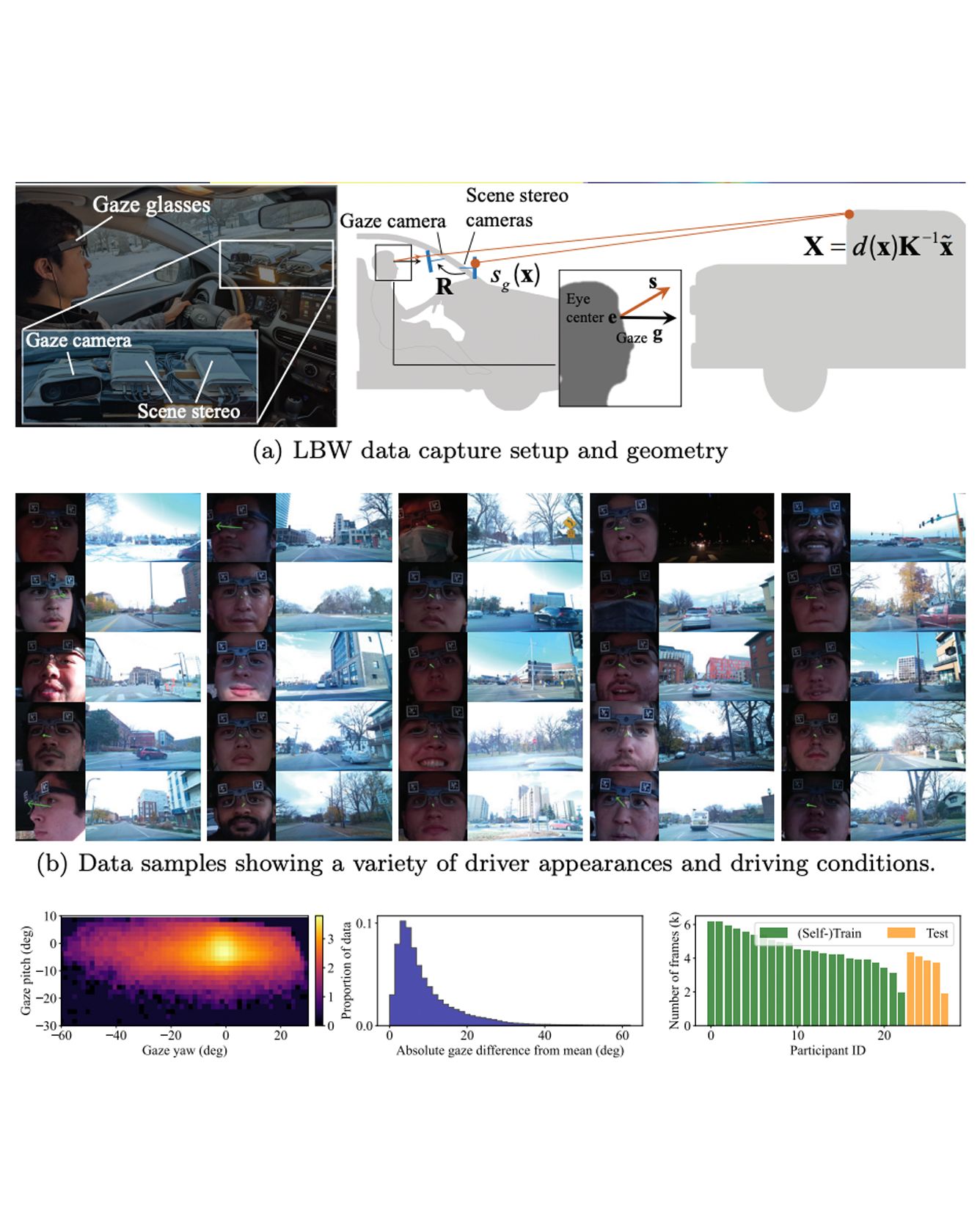
We present a new on-road driving dataset, called “Look Both Ways”, which contains synchronized video of both driver faces and the forward road scene, along with ground truth gaze data registered from eye tracking glasses worn by the drivers. Our dataset supports the study of methods for non-intrusively estimating a driver’s focus of attention while driving - an important application area in road safety. A key challenge is that this task requires accurate gaze estimation, but supervised appearance-based gaze estimation methods often do not transfer well to real driving datasets, and in-domain ground truth to supervise them is difficult to gather. We therefore propose a method for self-supervision of driver gaze, by taking advantage of the geometric consistency between the driver’s gaze direction and the saliency of the scene as observed by the driver. We formulate a 3D geometric learning framework to enforce this consistency, allowing the gaze model to supervise the scene saliency model, and vice versa. We implement a prototype of our method and test it with our dataset, to show that compared to a supervised approach it can yield better gaze estimation and scene saliency estimation with no additional labels. READ MORE
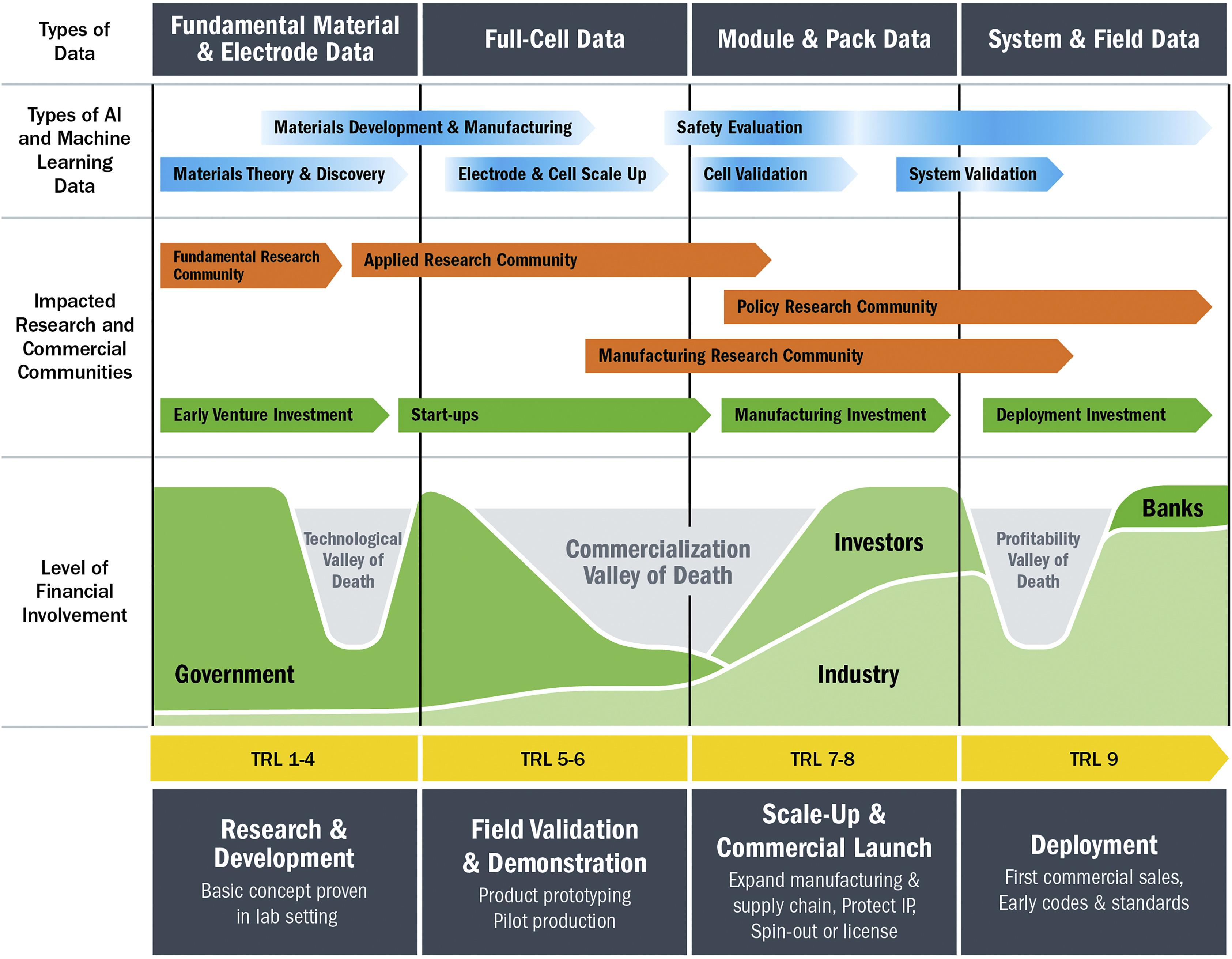
Batteries are central to modern society. They are no longer just a convenience but a critical enabler of the transition to a resilient, low-carbon economy. Battery development capabilities are provided by communities spanning materials discovery, battery chemistry and electrochemistry, cell and pack design, scale-up, manufacturing, and deployments. Despite their relative maturity, data-science practices among these diverse groups are far behind the state of the art in other fields, which have demonstrated an ability to significantly improve innovation and economic impact. The negative consequences of the present paradigm include incremental improvements but few breakthroughs, significant manufacturing uncertainties, and cascading investment risks that collectively slow deployments. The primary roadblock to a battery-data-science renaissance is the requirement for large amounts of high-quality data, which are not available in the current fragmented ecosystem. Here, we identify gaps and propose principles that enable the solution by building a robust community of data hubs with standardized practices and flexible sharing options that will seed advanced tools spanning innovation to deployment. Precedents are offered that demonstrate that both public good and immense economic gains will arise from sharing valuable battery data. The proposed Battery Data Genome looks to broadly transform innovations and revolutionize their translation from research to societal impact. READ MORE
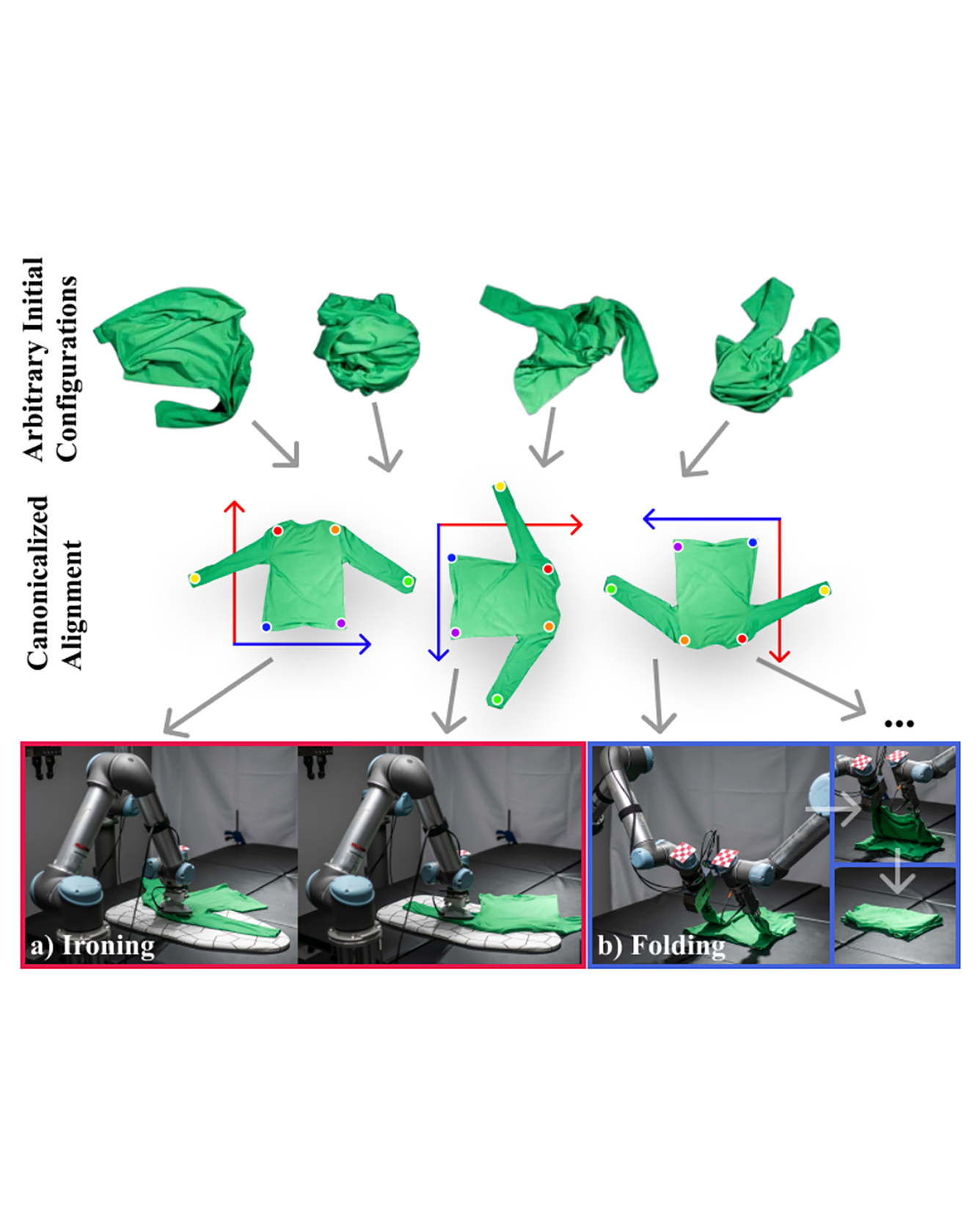
Automating garment manipulation is challenging due to extremely high variability in object configurations. To reduce this intrinsic variation, we introduce the task of “canonicalized-alignment” that simplifies downstream applications by reducing the possible garment configurations. This task can be considered as “cloth state funnel” that manipulates arbitrarily configured clothing items into a predefined deformable configuration (i.e. canonicalization) at an appropriate rigid pose (i.e. alignment). In the end, the cloth items will result in a compact set of structured and highly visible configurations – which are desirable for downstream manipulation skills. To enable this task, we propose a novel canonicalized-alignment objective that effectively guides learning to avoid adverse local minima during learning. Using this objective, we learn a multi-arm, multi-primitive policy that strategically chooses between dynamic flings and quasi-static pick and place actions to achieve efficient canonicalized alignment. We evaluate this approach on a real-world ironing and folding system that relies on this learned policy as the common first step. Empirically, we demonstrate that our task-agnostic canonicalized-alignment can enable even simple manually-designed policies to work well where they were previously inadequate, thus bridging the gap between automated non-deformable manufacturing and deformable manipulation. READ MORE
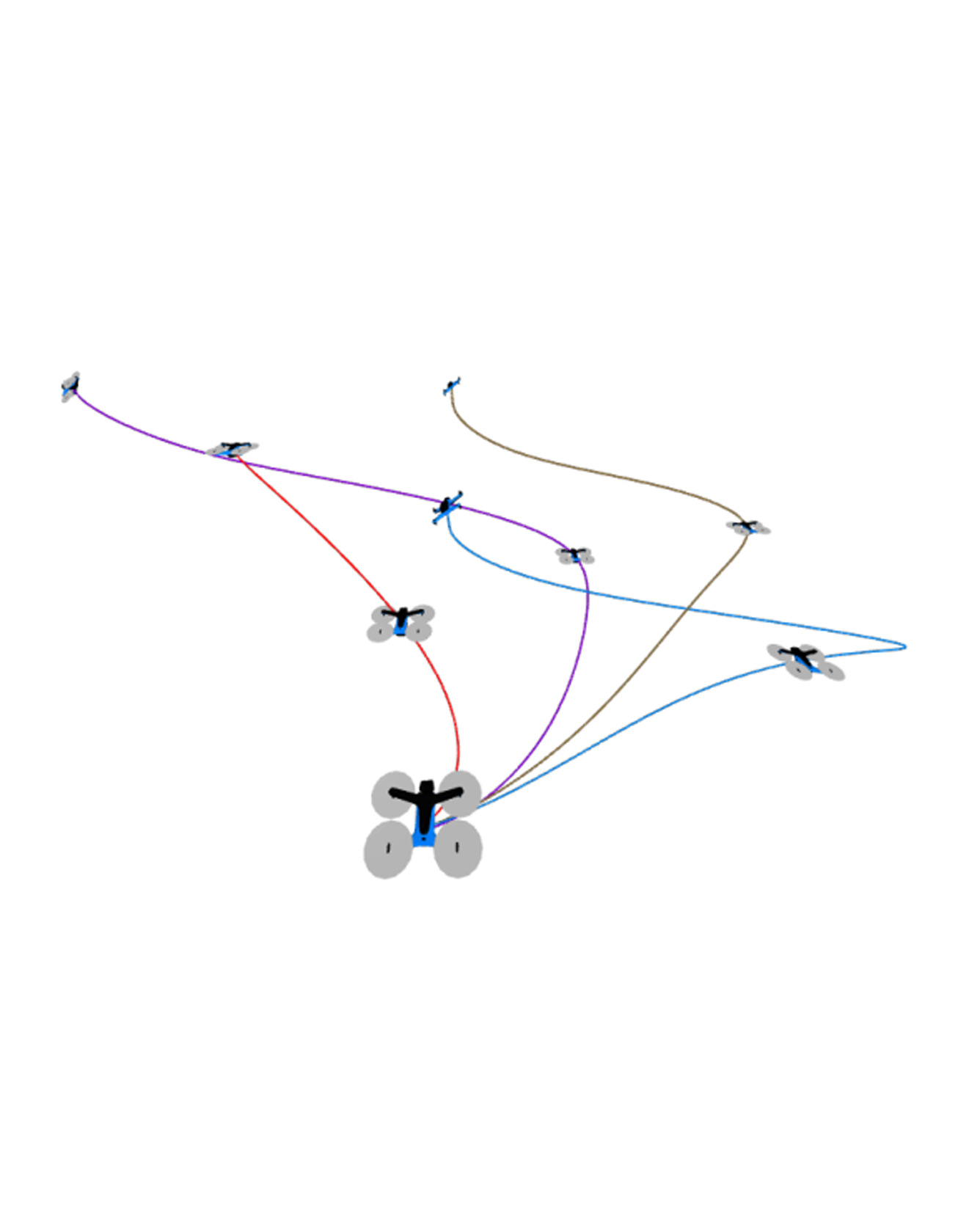
Control Lyapunov functions (CLFs) and control barrier functions (CBFs) are widely used tools for synthesizing controllers subject to stability and safety constraints. Paired with online optimization, they provide stabilizing control actions that satisfy input constraints and avoid unsafe regions of state-space. Designing CLFs and CBFs with rigorous performance guarantees is computationally challenging. To certify existence of control actions, current techniques not only design a CLF/CBF, but also a nominal controller. This can make the synthesis task more expensive, and performance estimation more conservative. In this work, we characterize polynomial CLFs/CBFs using sum-of-squares conditions, which can be directly certified using convex optimization. This yields a CLF and CBF synthesis technique that does not rely on a nominal controller. We then present algorithms for iteratively enlarging estimates of the stabilizable and safe regions. We demonstrate our algorithms on a 2D toy system, a pendulum and a quadrotor. READ MORE