Advancing Collaborative Research: Introducing URP 3.0
3 Minute ReadBy Kate Tsui, Program Director, University Research Partnerships
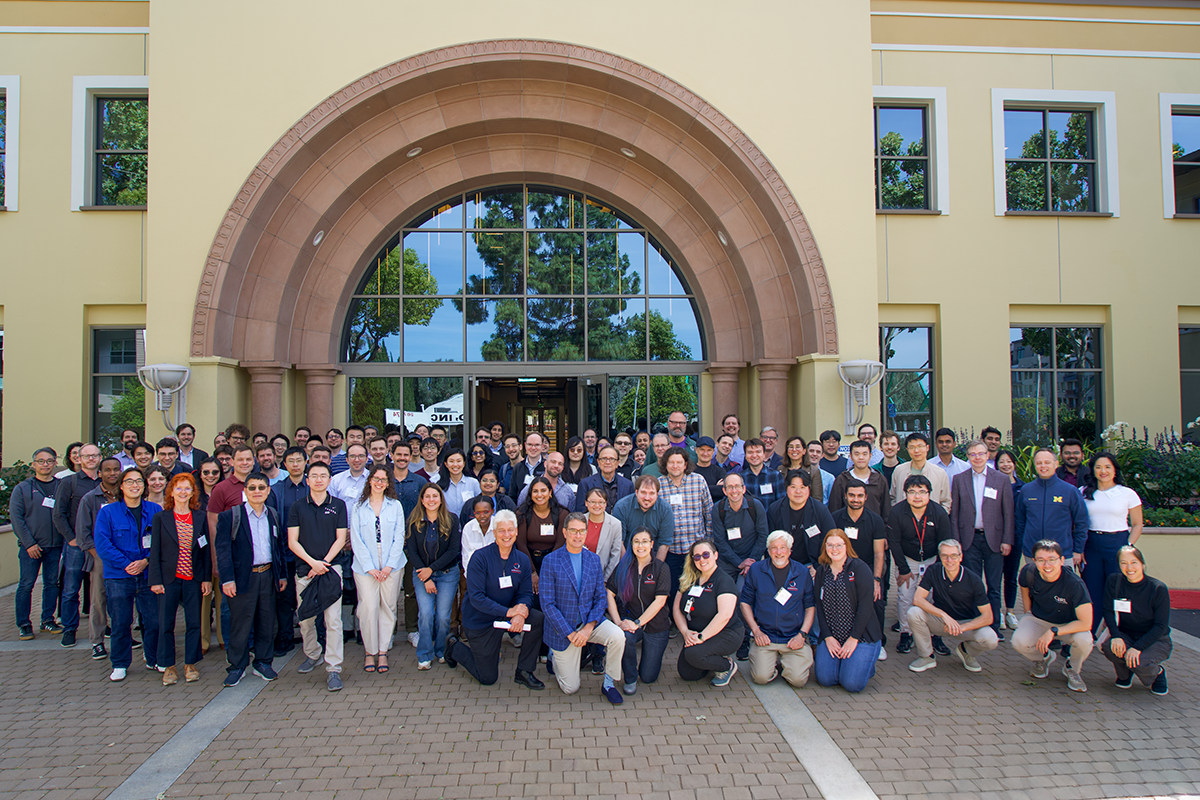
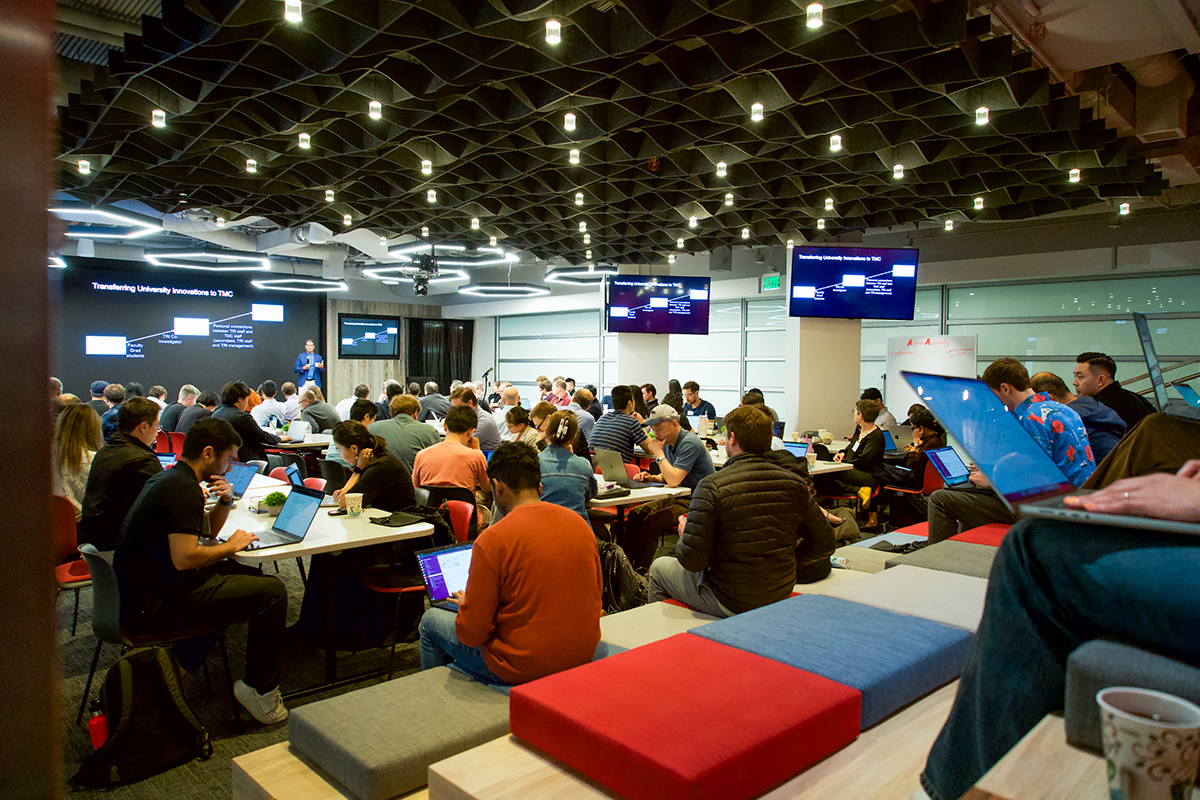
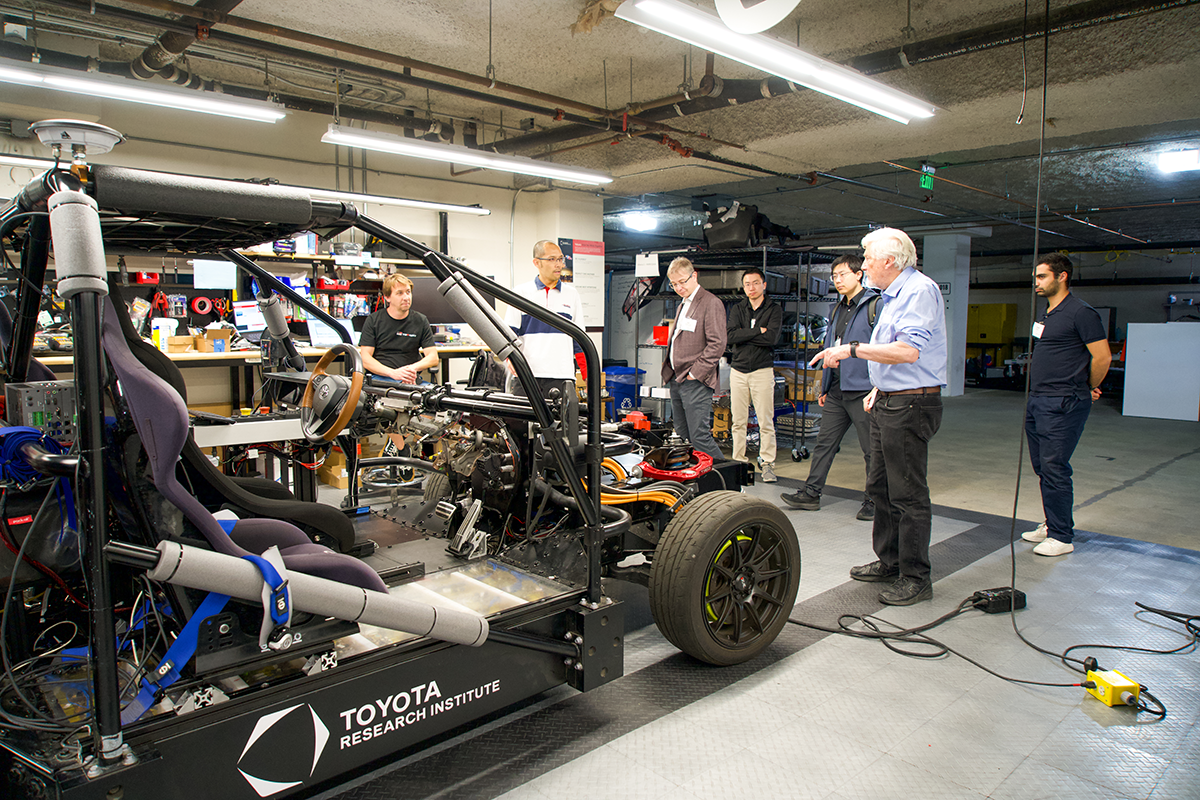
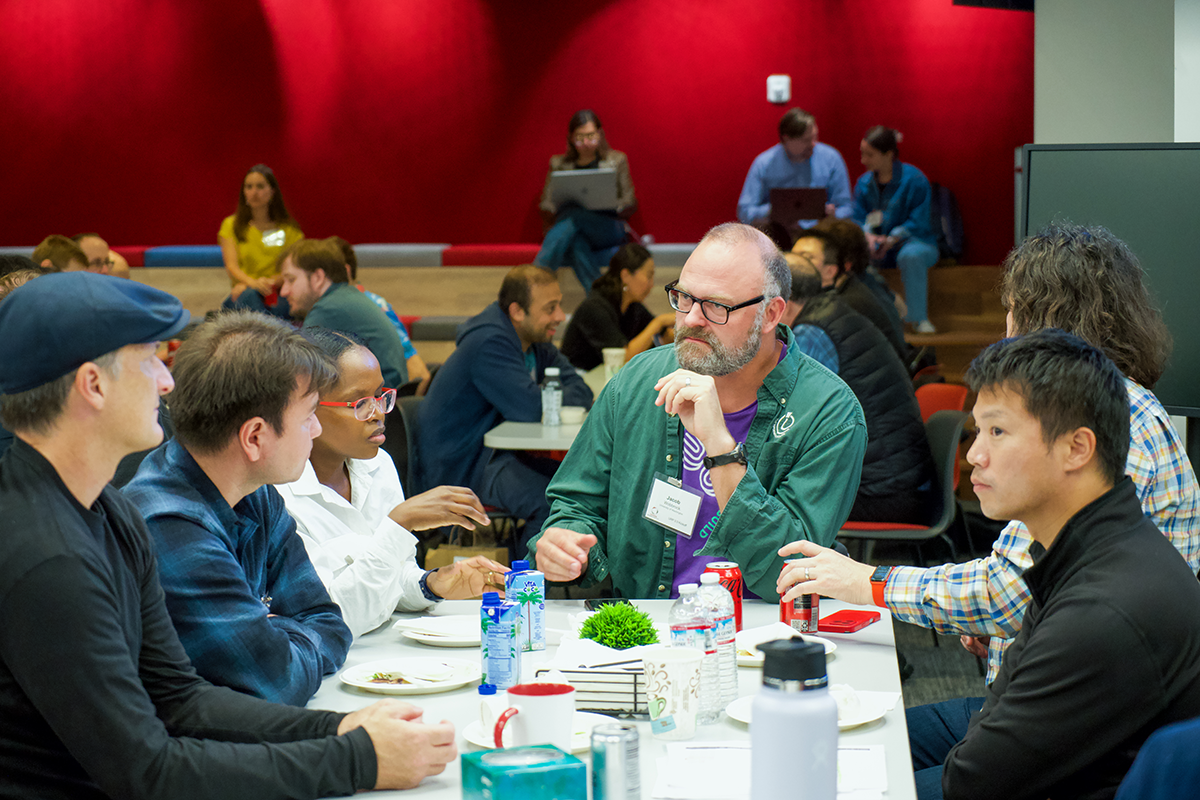
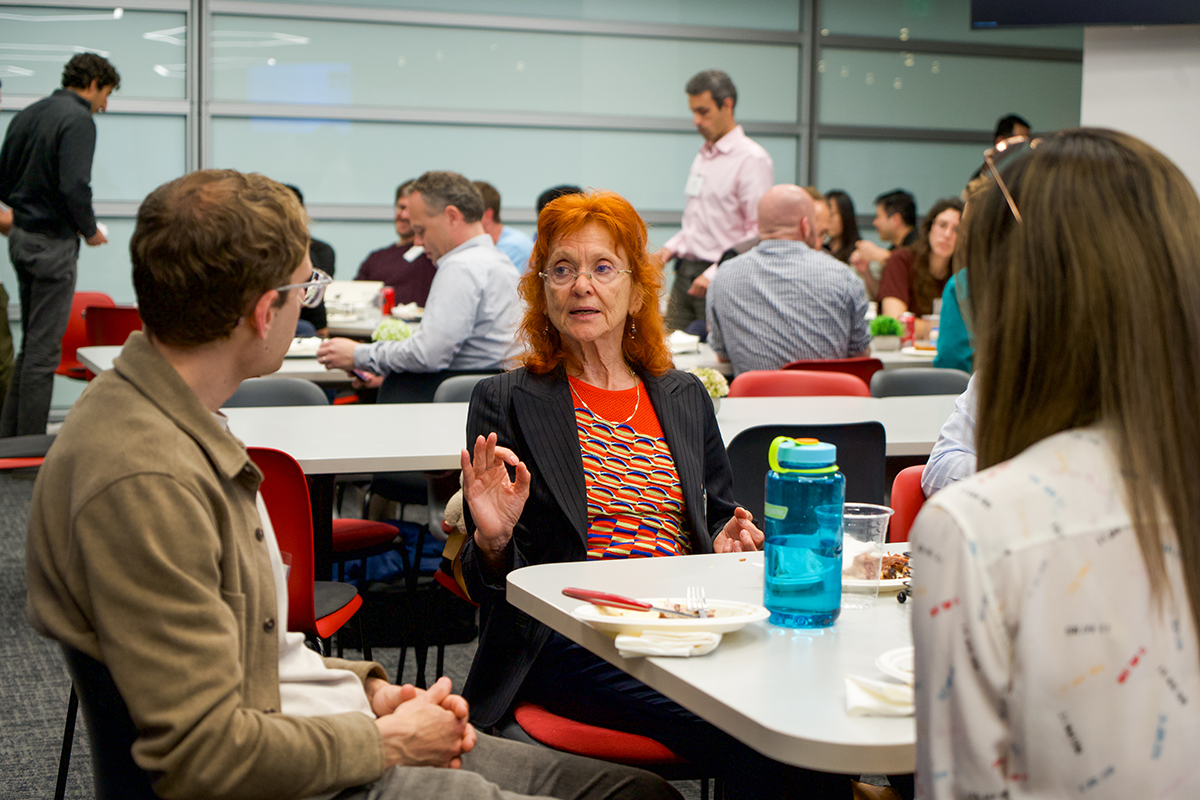
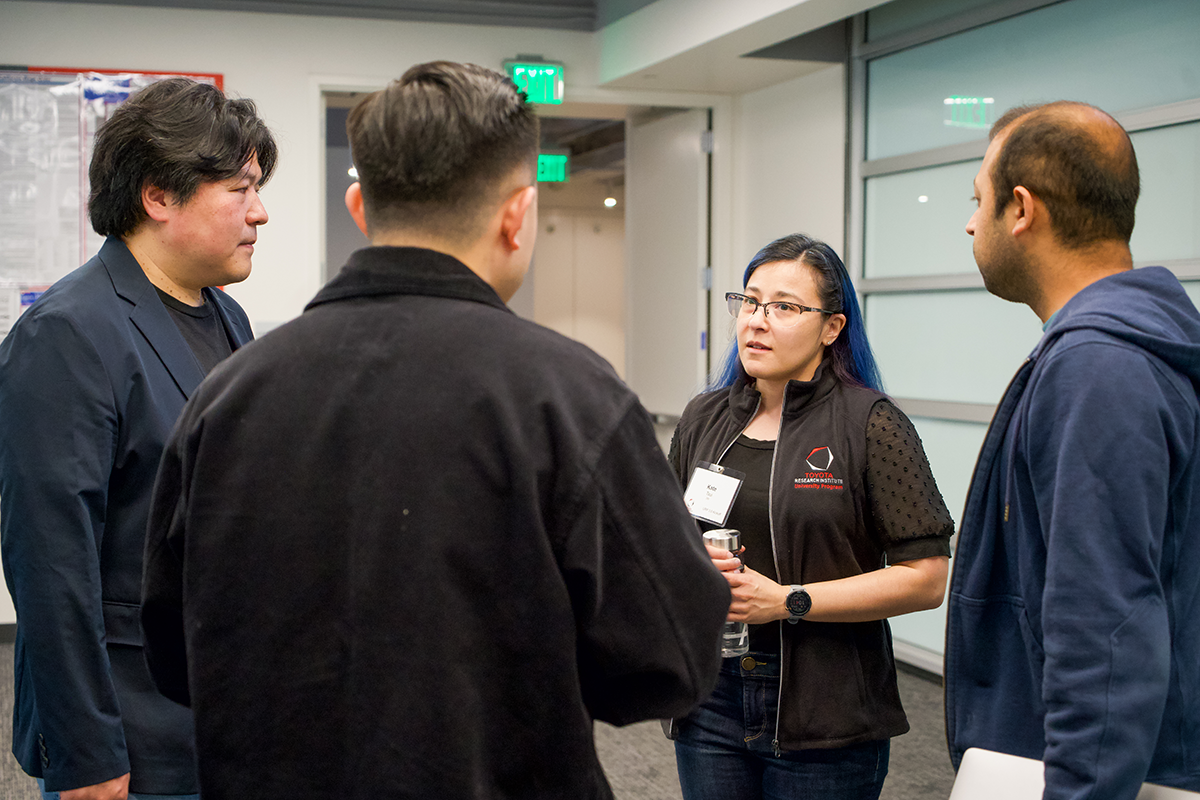
At Toyota Research Institute (TRI), we believe meaningful innovation happens when industry and academia work side by side. Today, we are introducing the next five-year phase of our University Research Program, called URP 3.0, which expands our collaboration with leading North American universities and welcomes new partners into the community.
Starting in 2026, URP 3.0 supports 69 research projects across 31 universities, bringing together 88 TRI researchers and 104 faculty members. This is the biggest cohort since the program’s inception, with 11 new institutions participating for the first time and bringing fresh perspectives and expertise. The program also continues to build on long-standing relationships with foundational research partners, such as MIT, Stanford, and the University of Michigan.
TRI funds collaborative university research projects that are intentionally structured for deep collaboration. Each project is co-led by a university researcher and a TRI co-investigator working as peers to ensure that fundamental research and real-world application evolve together.
The portfolio also includes 10 Young Faculty Research projects, continuing TRI’s investment in the next generation of researchers. Although these projects span very different domains, many are exploring emerging directions in systems that can learn faster, adapt more effectively, and operate more intelligently in complex real-world settings.
Over the past decade, URP has grown into one of the largest collaborative research efforts in the automotive industry. Programs like URP play an important role in sustaining long-term, curiosity-driven research work while connecting it to practical outcomes.
Project Highlights
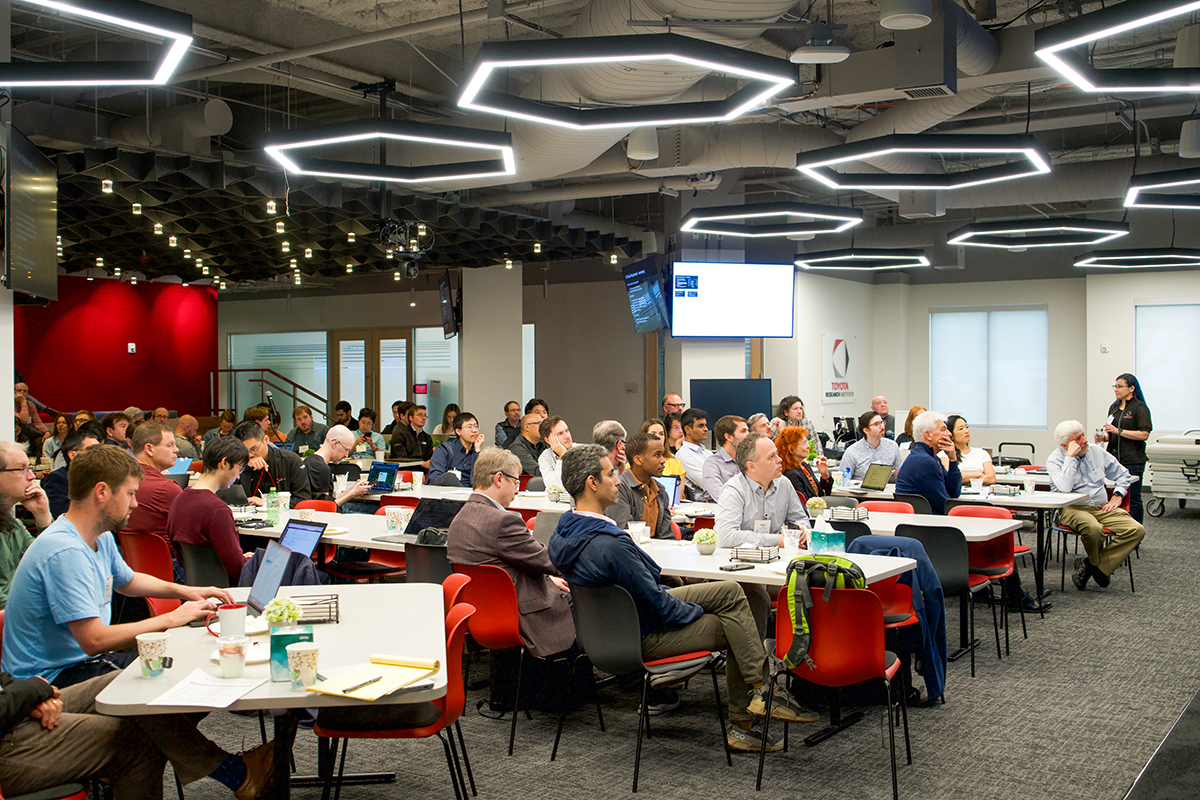
URP 3.0 selects projects that span all of TRI’s research divisions, working on technologies to advance AI, robotics, driving, and material science. Here are a few examples of the work now underway:
Energy and Materials
At the University of Minnesota, Professors Kelsey Stoerzinger and Matthew Neurock are working with Drs. Michaela Burke-Stevens and Joseph Montoya of TRI to explore new electrochemical pathways for producing valuable nitrogen-based compounds. By redesigning the reaction environment to suppress competing processes, the teams aim to enable cleaner and more efficient production methods. Their work combines real-time experiments with simulation to better understand how liquid environments influence catalytic behavior.
Human-Centered AI
At Carnegie Mellon University, Professors David Lindlbauer and Kris Kitani are working with Dr. Brandon Huynh of TRI to study how groups make decisions in complex environments. Using extended reality technologies, they are developing systems that adapt how data is presented based on how people interact, including gaze, gestures, and movement. The goal is to improve shared understanding and alignment in settings such as Obeya rooms ("large room" in Japanese, where teams can work together).
Advanced Driving
Also at Carnegie Mellon, Professor Max Simchowitz is working with Drs. Frank Permenter, Paarth Shah, and Chenyang Yuan of TRI on building scalable and efficient reinforcement learning methods in domains like robotics and beyond, together with foundational deep learning techniques to support their success. These innovations will enable AI systems to autonomously improve their performance by collecting and learning from their own experience.
Robotics
At Stanford University, Professors Monroe Kennedy, Karen Liu, and Zhenan Bao are working with Aditya Bhat of TRI on dexterous manipulation. The teams are developing wearable systems that capture detailed human motion and tactile feedback, creating large-scale datasets for training advanced behavior models. This work aims to enable robots to handle complex, contact-rich tasks with greater precision.
A growing academic network
Participating institutions in URP 3.0 include: Carnegie Mellon University, Columbia, Cornell, Dartmouth, DePaul, Georgia Institute of Technology, Harvard, Johns Hopkins, University of Maryland, University of Michigan, University of Minnesota, MIT, North Carolina State University, Northeastern University, Northwestern University, NYU, Penn State, Princeton, Purdue, Rensselaer Polytechnic Institute, Stanford, University of Toronto, UC Berkeley, UCLA, UC San Diego, UC Santa Barbara, University of Illinois Urbana-Champaign, University of Virginia, USC, UT Austin, and the University of Washington.
Looking ahead
TRI is focused on pursuing sustained, hands-on collaboration grounded in shared goals.
The challenges we are tackling will not be solved in a single lab or within a single discipline. Progress depends on bringing the right people together and giving them the opportunity to explore, test, and build. URP 3.0 is designed to do exactly that, and we are looking forward to what comes next.
Stay updated on URP's progress here: https://www.tri.global/university-research-program
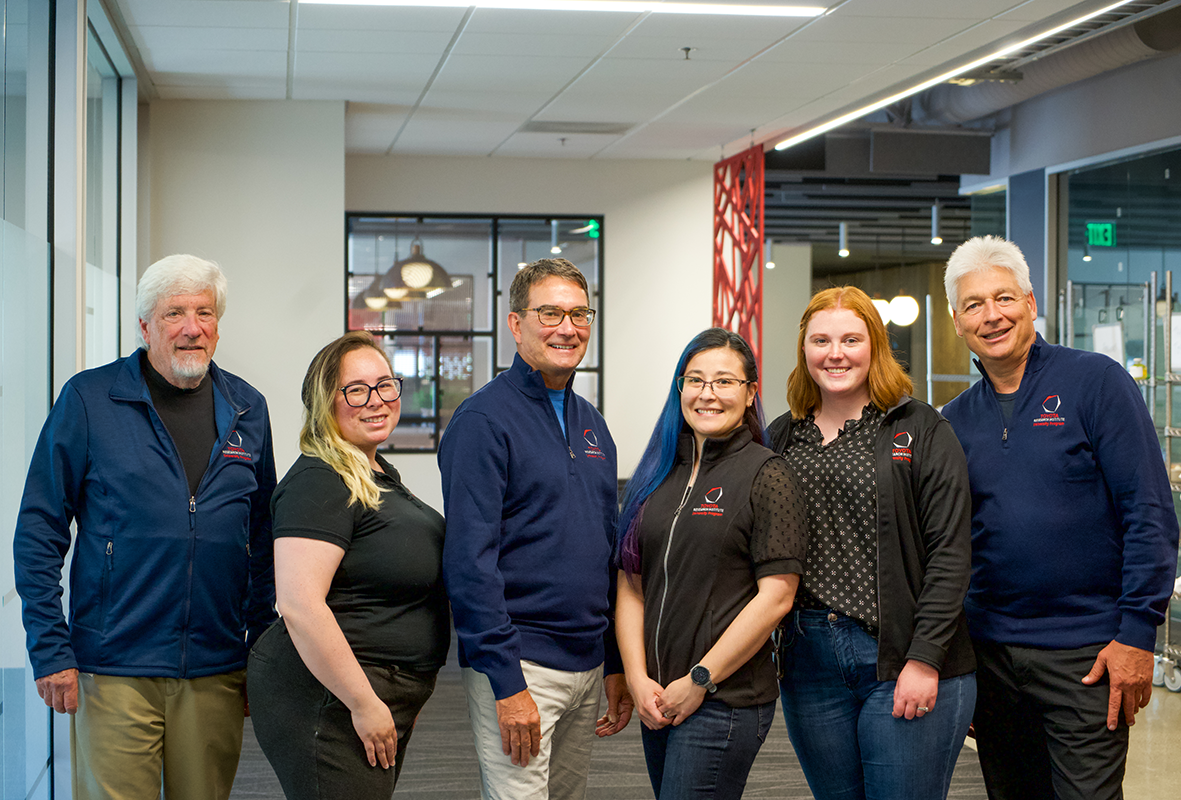
TRI's URP team